foliage
DecorativeChinese Evergreen (Aglaonema)
Aglaonema commutatum
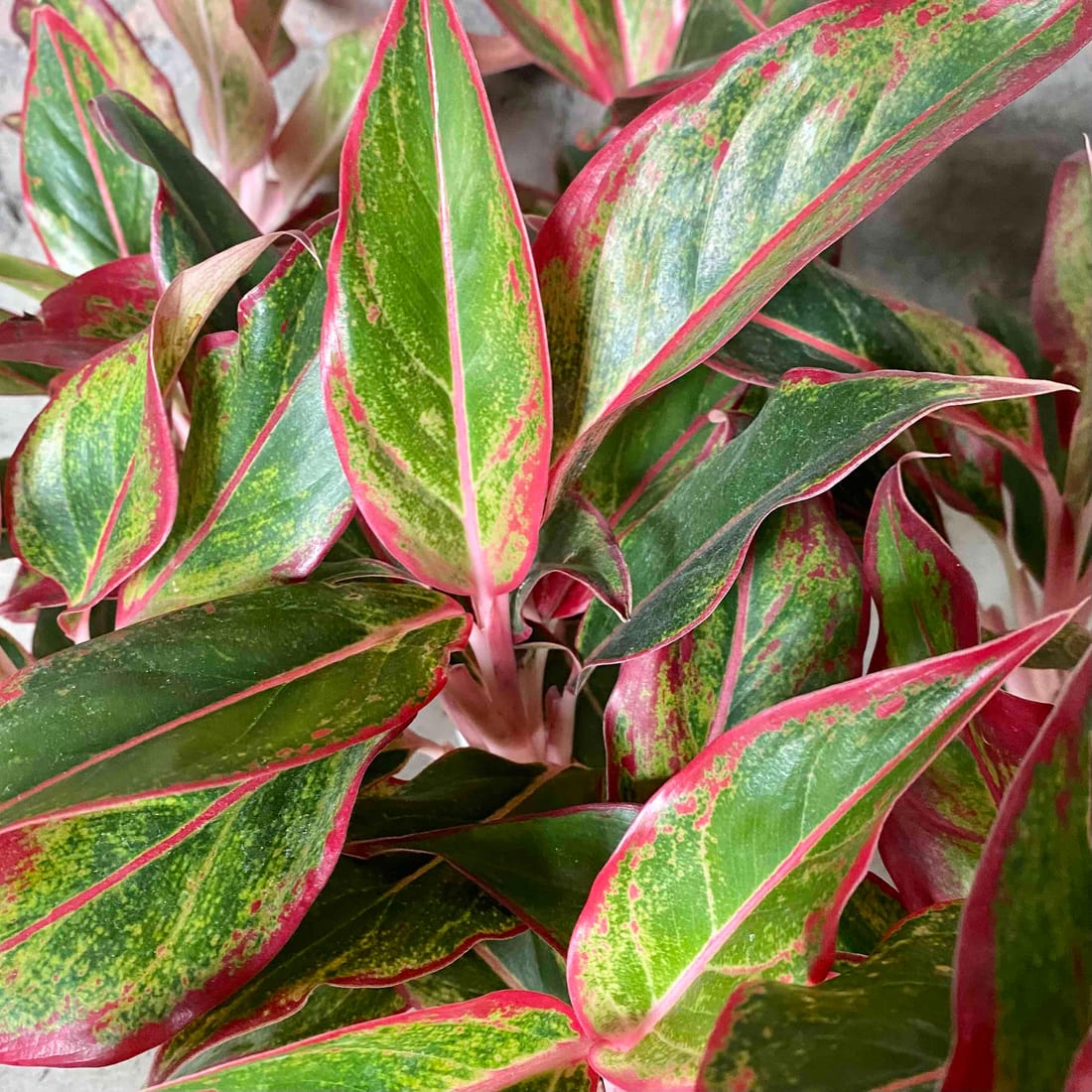
Toxic to cats and dogs — keep it out of reach (source: ASPCA).
A north-facing window or a few hours of indirect light is plenty.
Keep evenly moist — water when the top inch of soil is dry.
Forgiving and beginner-friendly.
The Chinese evergreen is an easy, low-light foliage plant with patterned silver, green, or pink leaves. It is toxic to cats and dogs if chewed.
About Chinese Evergreen (Aglaonema)
The Chinese evergreen (Aglaonema commutatum) comes from the forest understory of Southeast Asia, which is why it shrugs off the low light that defeats many houseplants. It grows into an upright, bushy plant under three-quarters of a metre, with broad leaves patterned in silver, green, and pink. A 4-litre pot suits it, and its tolerance for dim corners makes it forgiving for a renter with few bright windows.
Let the top of the soil dry between waterings and keep it warm, away from cold drafts. The plain green and silver types take the most shade, while pink and heavily variegated ones want brighter indirect light to hold their colour. It is toxic to cats and dogs if chewed.
What it’s like to grow
Aglaonema is about as easy as houseplants get, and hard to kill. Overwatering is the usual misstep, showing as yellowing leaves, and cold drafts leave grey or blotchy patches on the foliage. It copes with low light, though the colourful forms ask for more to stay vivid. Keep it warm, water when the surface dries, and it gets on with things. It is toxic to cats and dogs, so keep it clear of grazers. Otherwise a strong choice for a beginner or a low-light room.
What to expect
It’s forgiving, so it’s a good one to learn on. No sunny window? It also does fine under a clip-on grow light.
See what you’ll need to get started ↓Grow it alongside
Houseplants that want the same light, water and humidity are happy sharing a spot. See what thrives with Chinese Evergreen (Aglaonema) →
Tips
- It tolerates low light, though pink and variegated types want more.
- Let the top of the soil dry between waterings.
- Keep it warm and away from cold drafts.
Common problems
- Yellowing leaves from overwatering.
- Grey or blotchy leaf damage from cold drafts.
Common questions
Is Chinese Evergreen (Aglaonema) toxic to cats and dogs?
Chinese Evergreen (Aglaonema) is toxic to cats and dogs if eaten, so keep it out of reach of pets that chew. Source: ASPCA.
How much light does Chinese Evergreen (Aglaonema) need?
Chinese Evergreen (Aglaonema) tolerates low light and can sit away from a window. It still grows faster with more light, but it won't sulk in a dim corner.
How often should I water Chinese Evergreen (Aglaonema)?
Water Chinese Evergreen (Aglaonema) when the top inch of soil feels dry, then let it drain. Aim for evenly moist, not soggy.
What temperature does Chinese Evergreen (Aglaonema) need?
Chinese Evergreen (Aglaonema) is happiest around 18–27 °C. It tolerates brief dips to about 13 °C, but cold drafts and sudden chills set it back.
Can I grow Chinese Evergreen (Aglaonema) without a sunny window?
Yes. Chinese Evergreen (Aglaonema) does well under an affordable clip-on grow light, so a bright window isn't essential.
How big does Chinese Evergreen (Aglaonema) get?
A bushy, upright plant with broad patterned leaves; reaches 0.4–0.7 m indoors.
How do I propagate Chinese Evergreen (Aglaonema)?
Separate rooted basal stems or clumps when repotting and pot each piece on its own.
What pests affect Chinese Evergreen (Aglaonema)?
Watch for mealybugs, spider mites and scale. Check new growth and the undersides of leaves often, and treat early with a rinse or insecticidal soap before they spread.
Is Chinese Evergreen (Aglaonema) easy to grow?
Yes. Chinese Evergreen (Aglaonema) is forgiving and one of the better plants to learn on.
Gear for Chinese Evergreen (Aglaonema)
Gear suggestions to get you started — general picks, not paid placements.
Pet-toxicity from the ASPCA. Care details are general guidance, not professional or veterinary advice. Photo: Aritra Bhawani, CC BY-SA 4.0, via Wikimedia Commons (CC-BY-SA). Care info last updated 2026-06-02.