All plants
Every plant we cover
Prefer to filter? Use the interactive catalog.
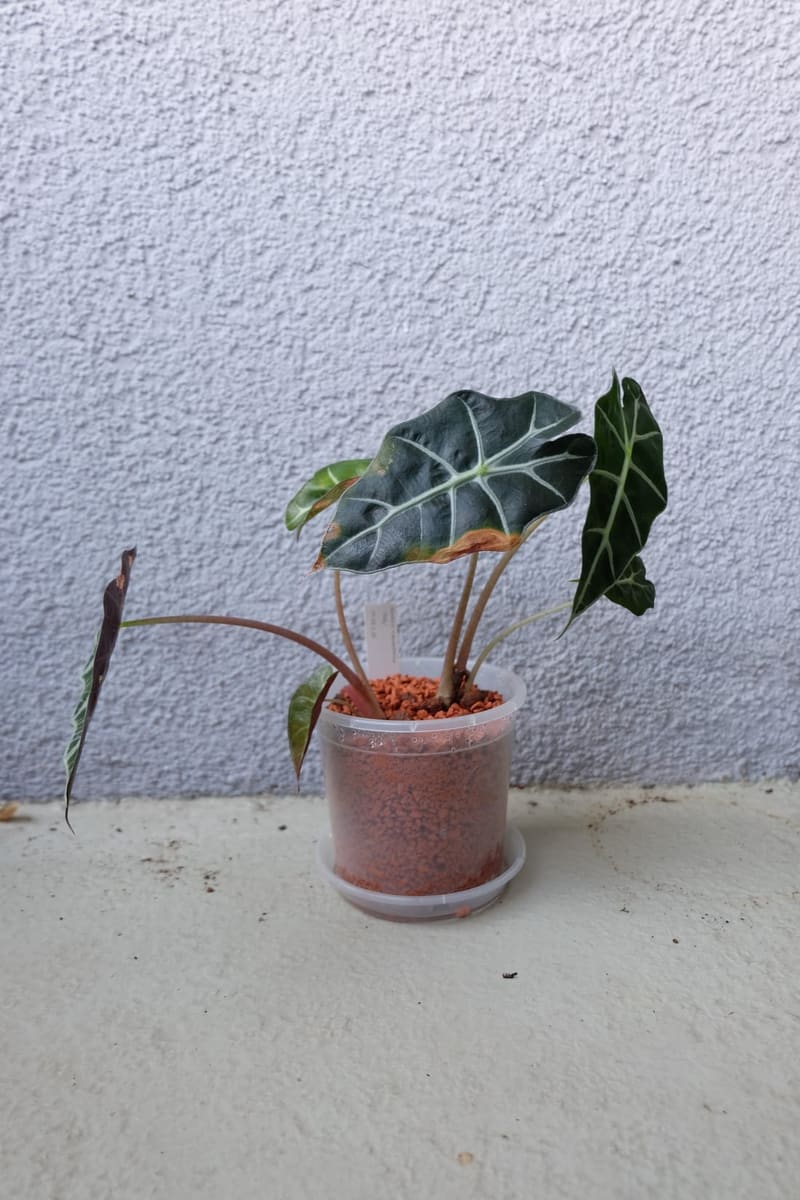
African Mask Plant (Alocasia)
The African mask plant is a striking foliage plant with dark, arrow-shaped leaves and bold pale veins, but it is fussy about humidity and watering, so it suits more experienced growers. It is toxic to cats and dogs if chewed.
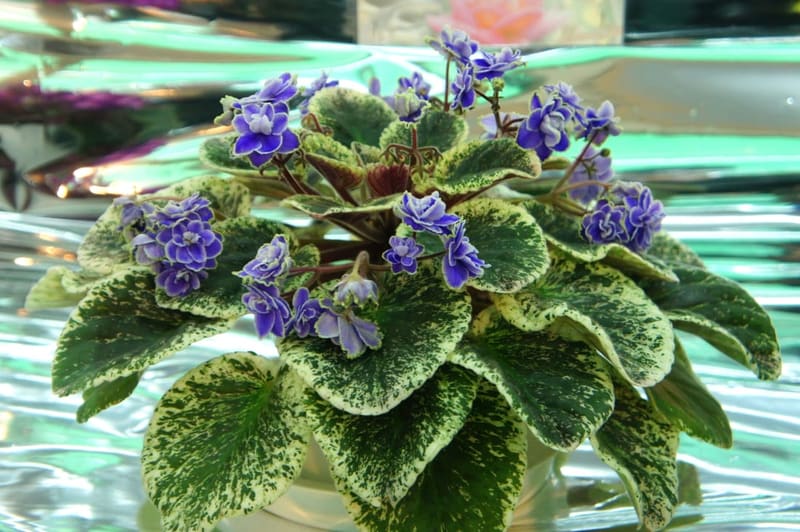
African Violet
The African violet is a compact, pet-safe flowering plant that can bloom much of the year on a bright windowsill. It is a little fussy about water on its leaves.
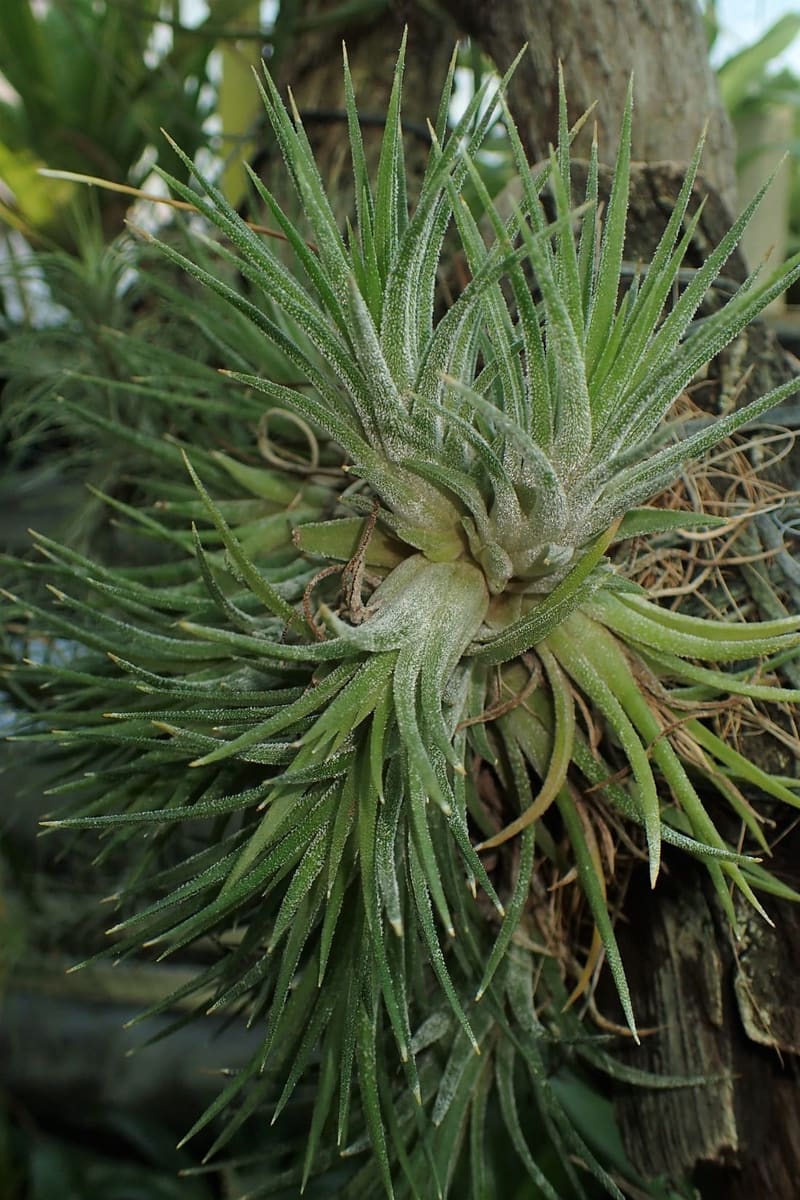
Air Plant
Air plants are small rootless bromeliads that grow without soil, absorbing water and nutrients through their leaves. They are generally pet-safe and need no pot, but they do need regular soaking, not just misting.
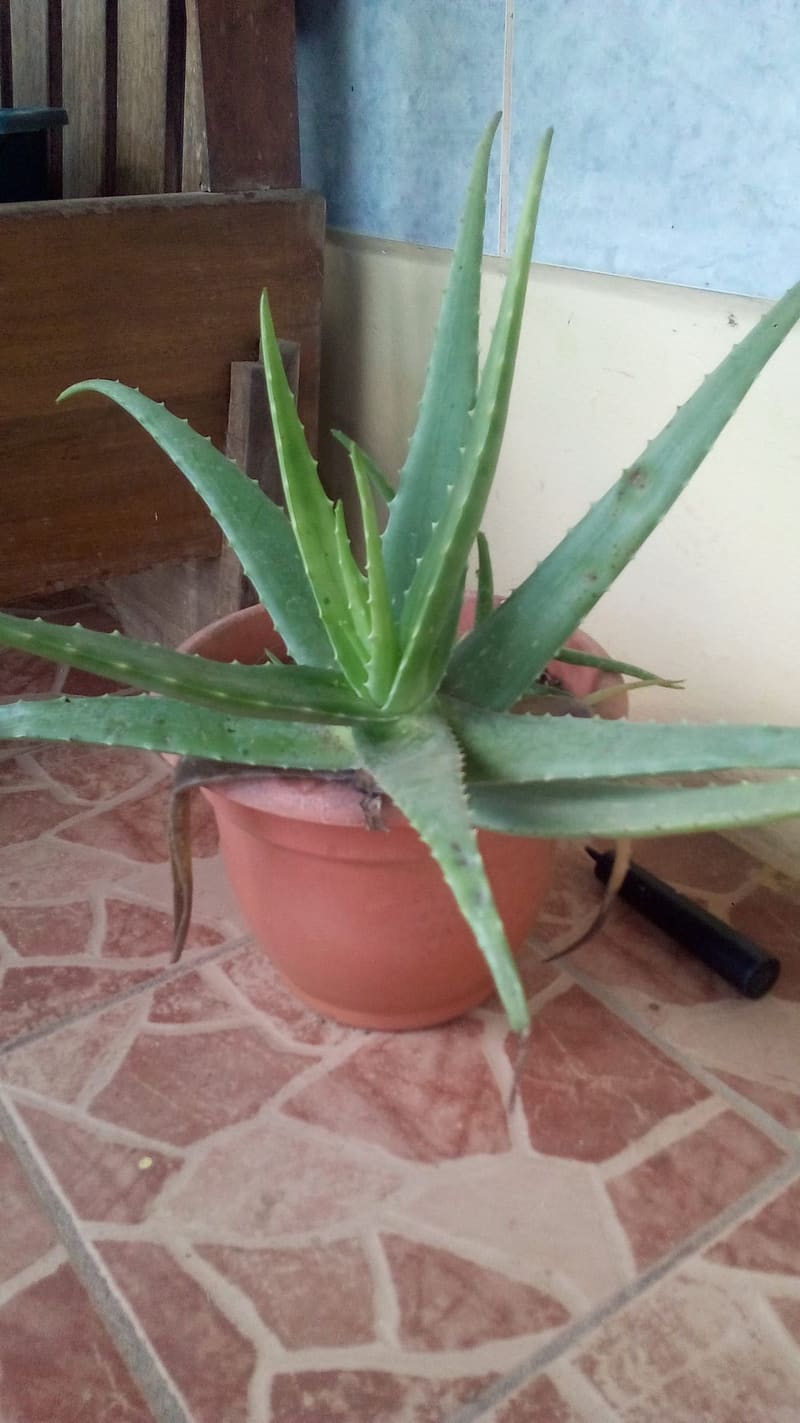
Aloe Vera
Aloe vera is an easy, drought-tolerant succulent that wants bright light and very little water. Note it is toxic to cats and dogs if chewed, despite the gel’s use on human skin.
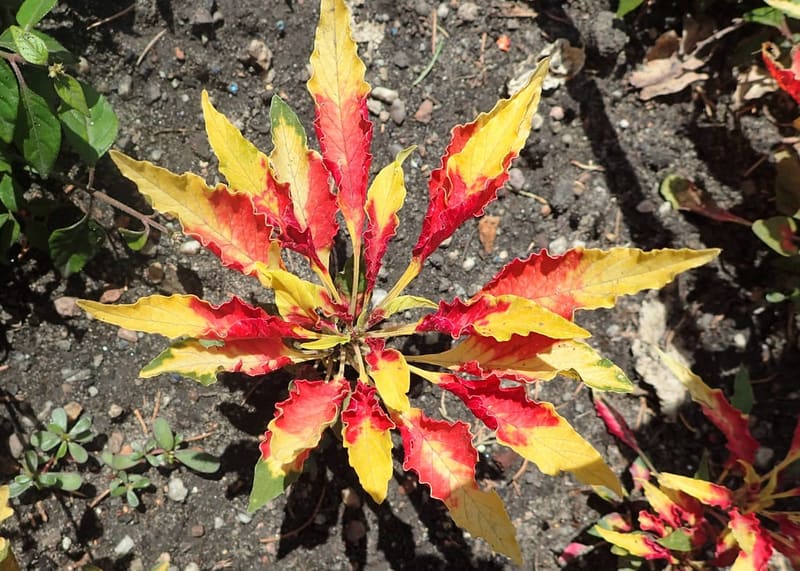
Amaranth Greens (Callaloo)
Amaranth greens, known as callaloo in the Caribbean and by many names across Asia and Africa, are a fast heat-loving leafy crop eaten cooked like spinach. Note the genus is flagged by ASPCA as toxic to pets due to oxalates and nitrate accumulation.
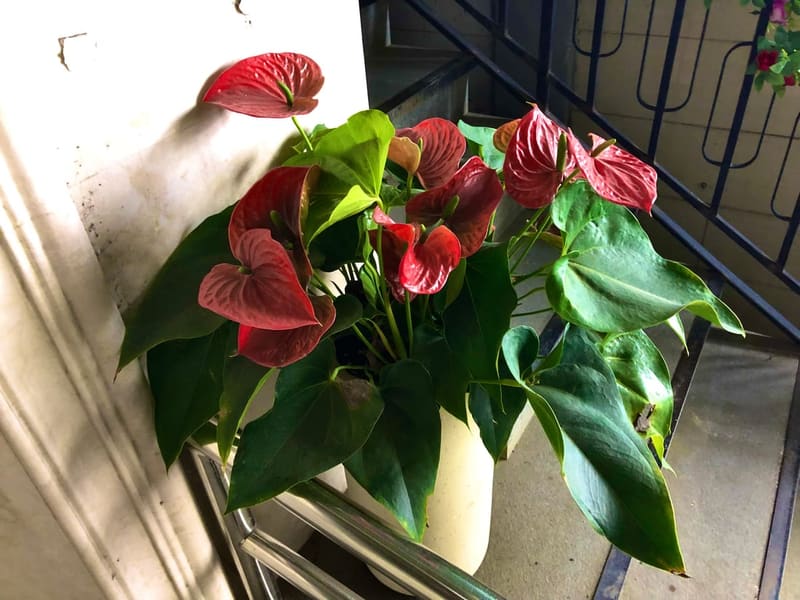
Anthurium (Flamingo Flower)
The anthurium is grown for its glossy, long-lasting waxy red or pink flower spathes. It is toxic to cats and dogs if chewed.
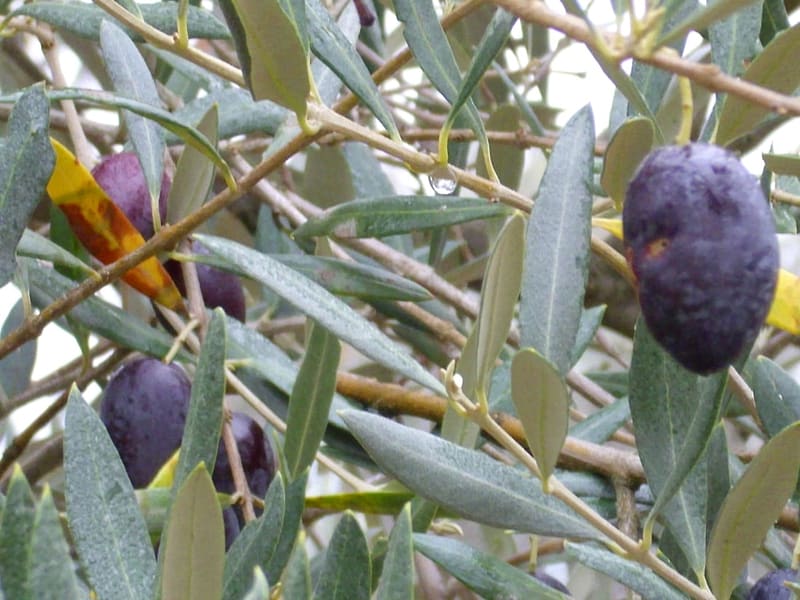
Arbequina Olive
The olive is the symbol of the Mediterranean, and ‘Arbequina’ is the cultivar people actually grow in pots — compact and partially self-fertile. Treat it first as a handsome evergreen container plant: fruiting indoors is hard, since it needs a cool winter spell and strong light, but a sunny balcony gives it a chance.
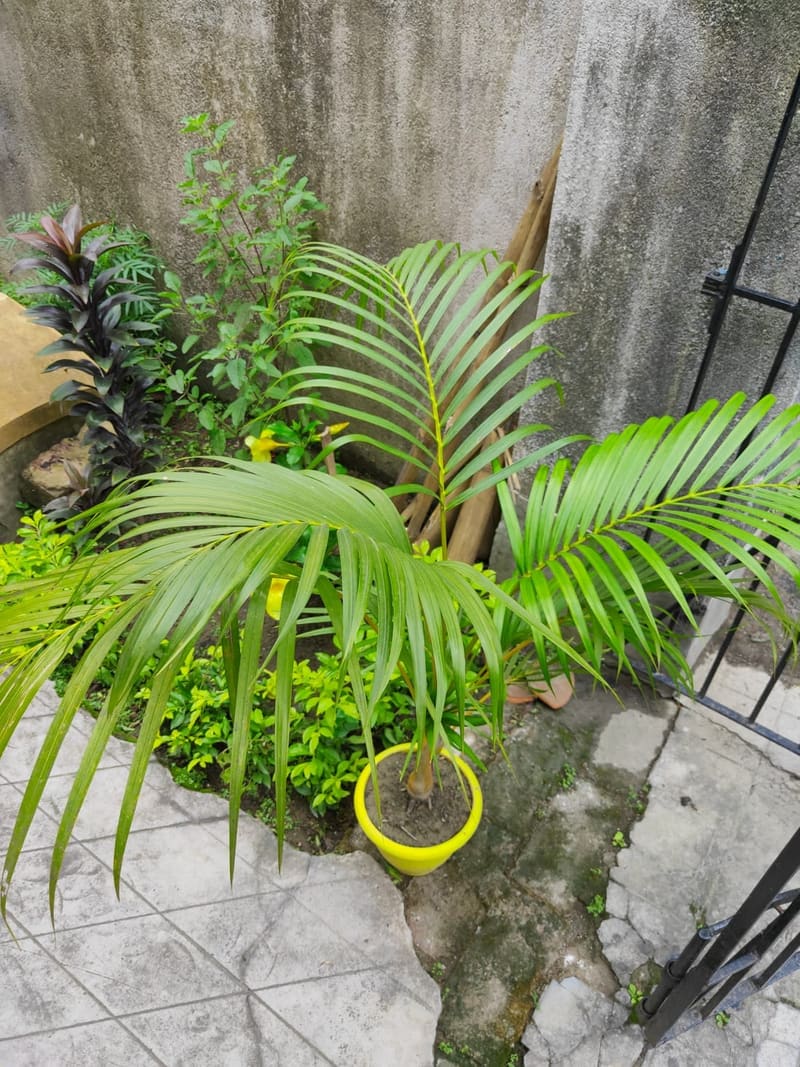
Areca Palm
The areca palm is a clumping feather palm with arching fronds that makes a soft, pet-safe floor plant. It needs bright light and steady moisture to look its best.
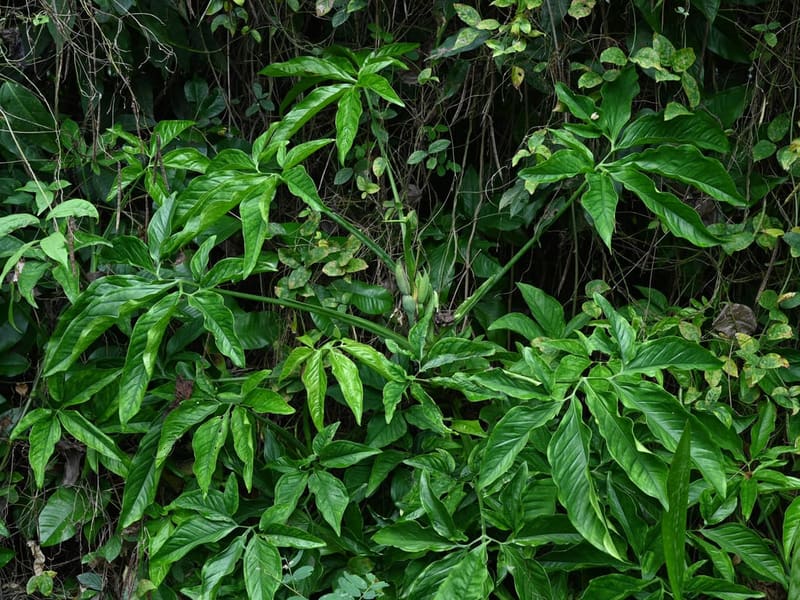
Arrowhead Plant (Syngonium)
The arrowhead plant is an easy, fast-growing vine with arrow-shaped leaves in green, pink, and variegated forms. It is toxic to cats and dogs if chewed.
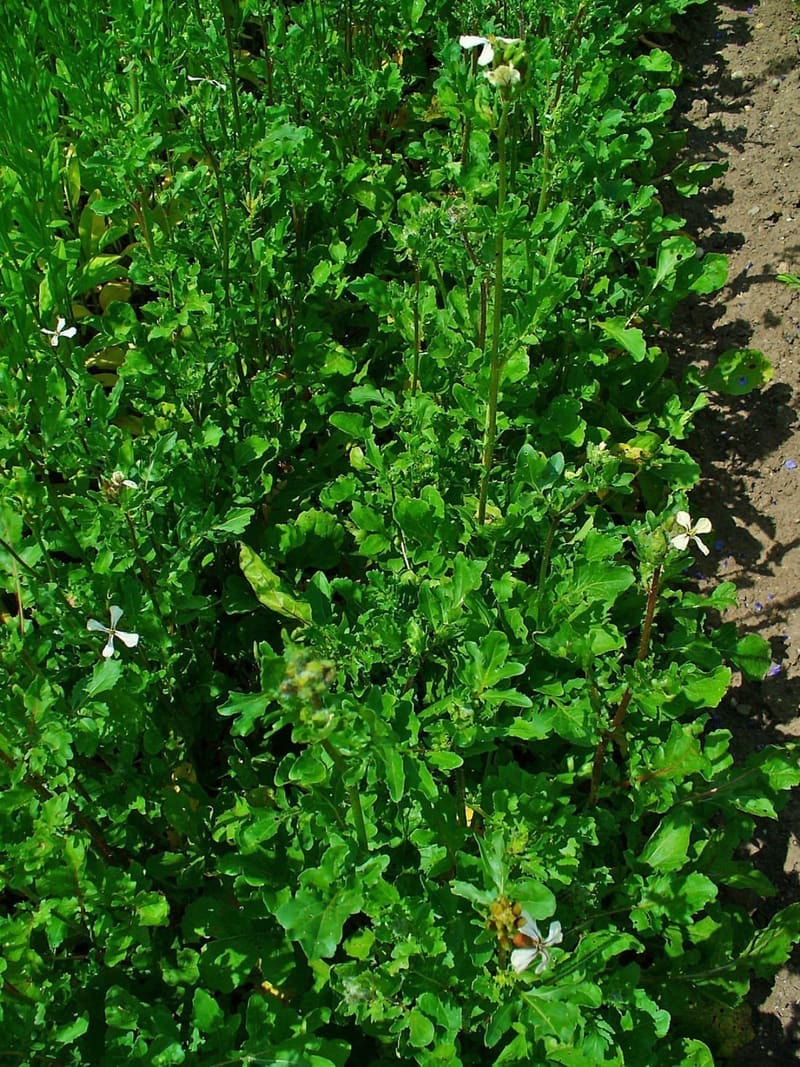
Arugula / Rocket
Arugula is one of the quickest crops you can grow indoors and adds a peppery bite to salads. Cut young leaves and it bounces back for more.
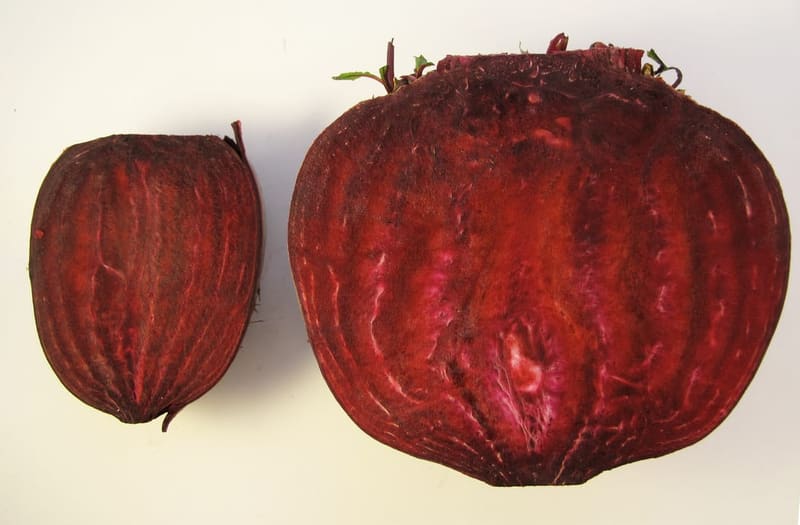
Beet / Beetroot
Beets are a forgiving dual-purpose root crop: you can thin and eat the greens early, then harvest the roots later. They size up faster and more reliably in containers than carrots.
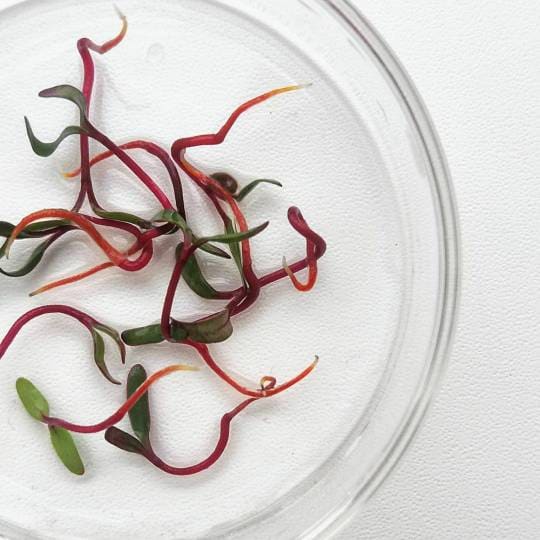
Beet Microgreens
Beet microgreens are a colorful, earthy tray crop with red stems and a mild beet flavor. They take longer than most microgreens and germinate unevenly, so they suit growers with a little patience.
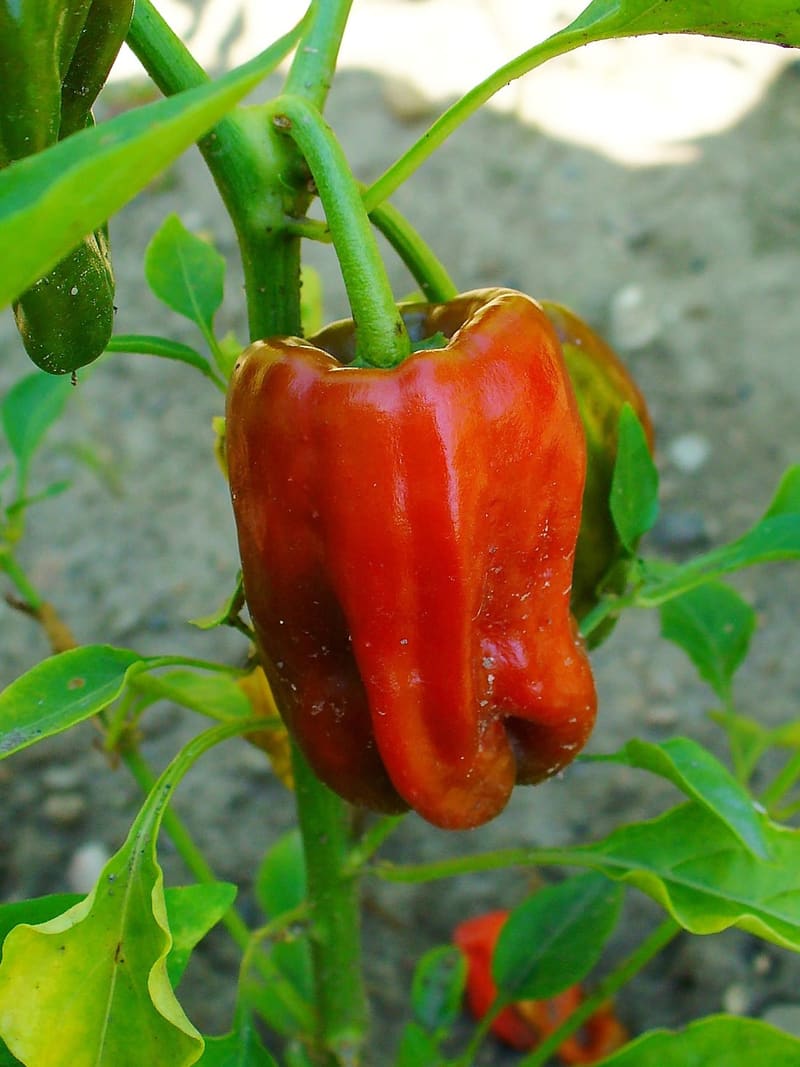
Bell Pepper
Bell peppers are a rewarding but patient fruiting crop that needs the brightest light you can give and steady warmth. Choose a compact variety and let fruit ripen to red or yellow for the sweetest flavor.
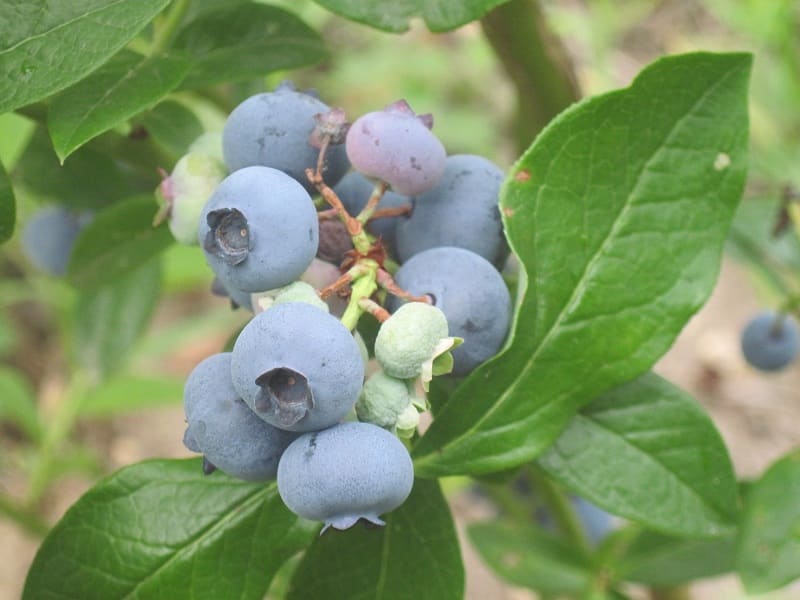
Blueberry (Dwarf)
Dwarf blueberries can crop in a large container but need acidic soil and a genuinely bright spot, and they reward patience over years rather than weeks. Choose a self-fertile dwarf variety for the best chance indoors or on a balcony.
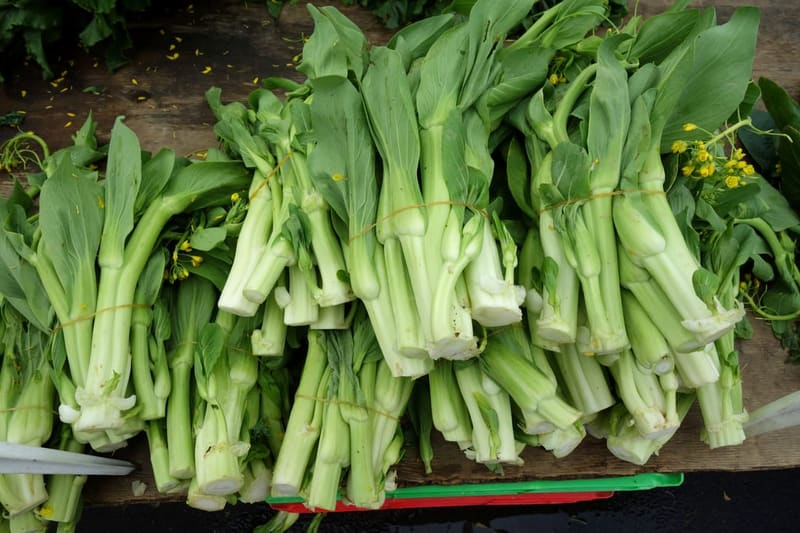
Bok Choy / Pak Choi
Bok choy is a quick, beginner-friendly Asian green that does well in a cool, bright spot. Grow it as baby heads or pick outer leaves to extend the harvest.
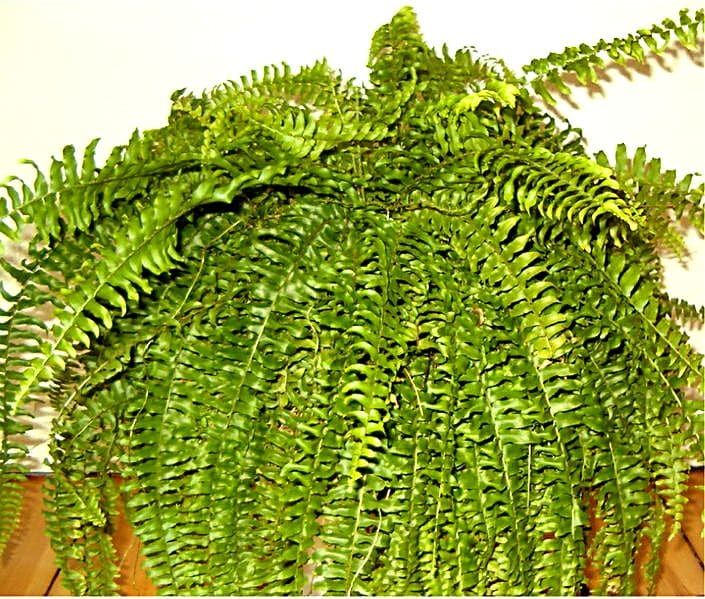
Boston Fern
The Boston fern is a pet-safe classic with arching feathery fronds, popular for hanging baskets. It wants steady moisture and humidity and will protest dry air with dropped leaflets.
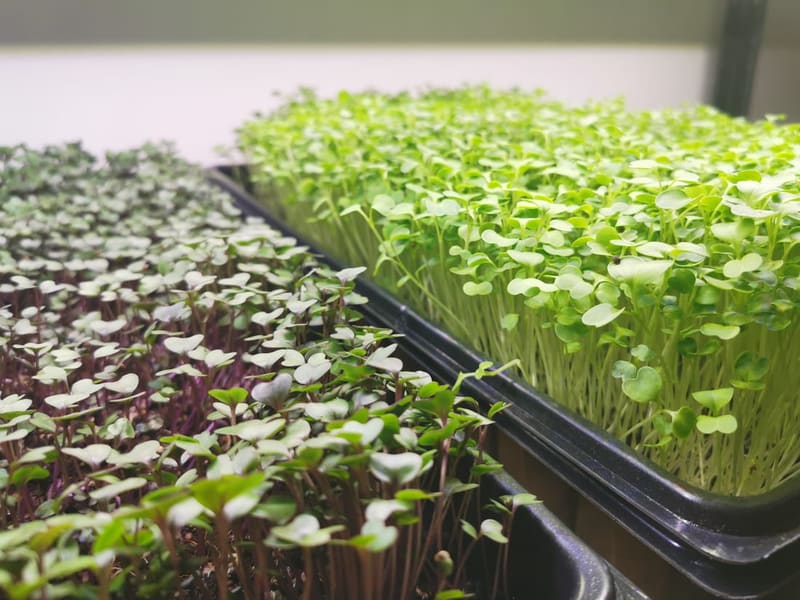
Broccoli Microgreens
Broccoli microgreens are a mild, tender tray crop prized for their nutrient density. They grow much like other brassica microgreens and are ready in roughly a week and a half.
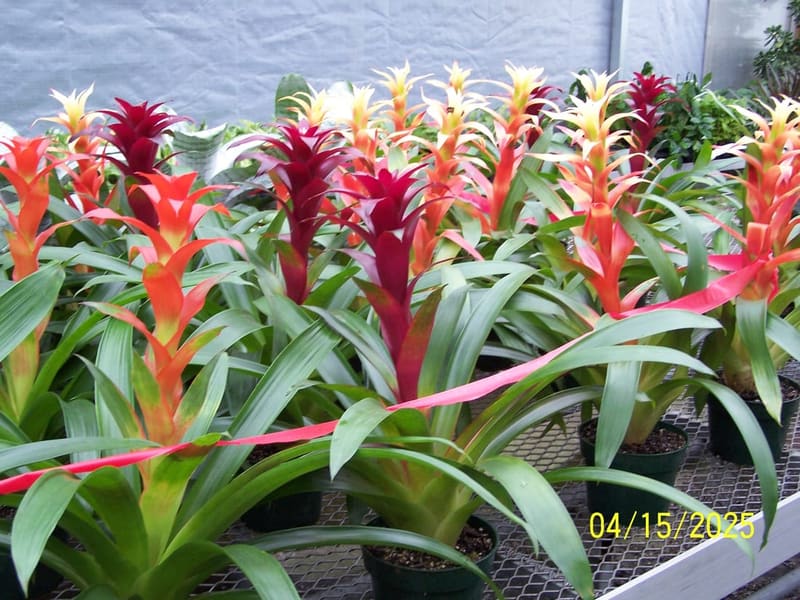
Bromeliad (Scarlet Star)
The guzmania bromeliad is grown for its long-lasting, brightly coloured flower bract rising from a rosette of strappy leaves. It is generally pet-safe, but each rosette flowers only once and then slowly dies after producing offsets.
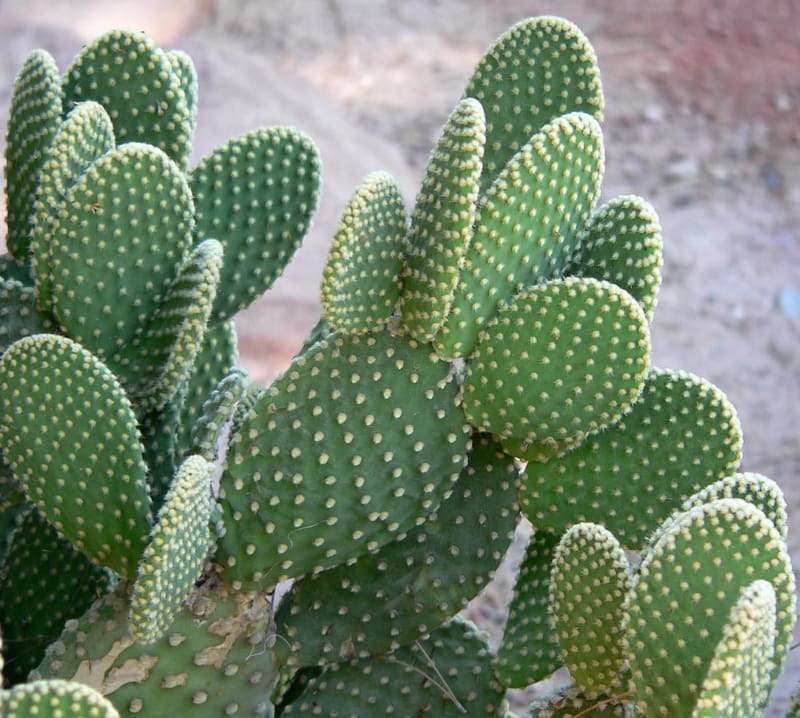
Bunny Ear Cactus
The bunny ear cactus is a spineless-looking Opuntia whose flat pads sprout in pairs like ears. It is not chemically poisonous, but its dense tufts of tiny barbed glochids detach at a touch and lodge painfully in skin — a poor choice around curious pets or small children.
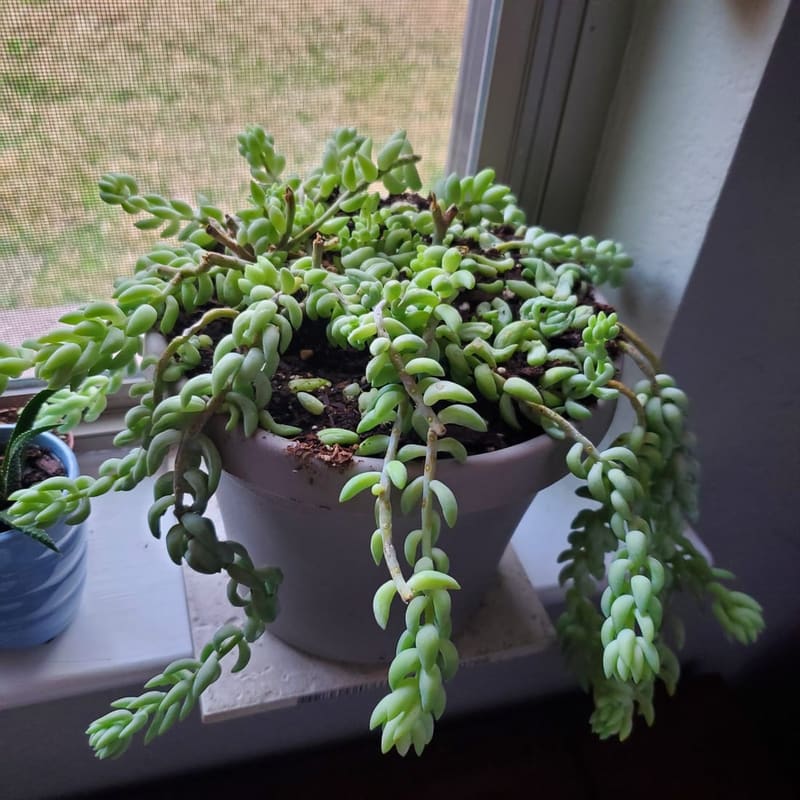
Burro’s Tail (Donkey Tail)
Burro’s tail is a trailing succulent with thick overlapping leaves that form long plump tails. It is generally considered pet-safe, but its leaves drop and shatter at the lightest touch.
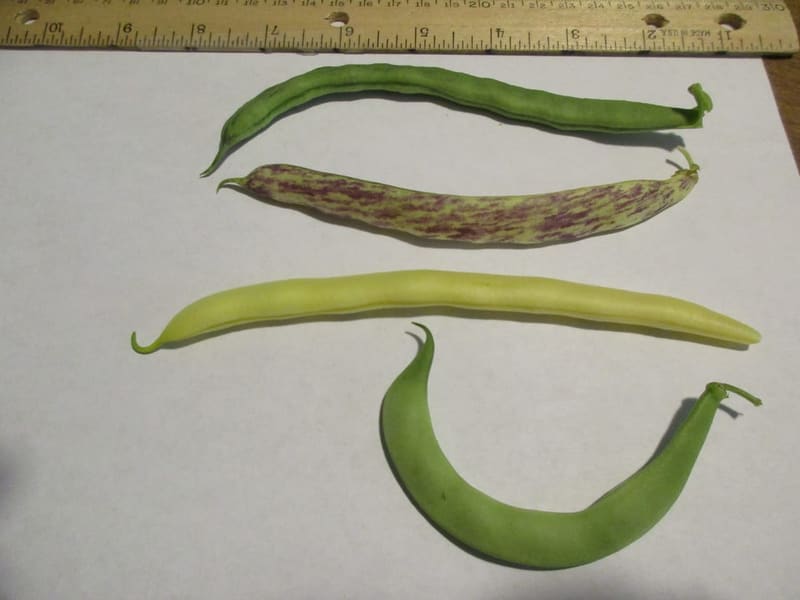
Bush Bean
Bush beans are a compact, self-supporting fruiting crop that is one of the easier pod vegetables to grow in a pot. They fix their own nitrogen and crop in a tidy flush you can pick young and tender.
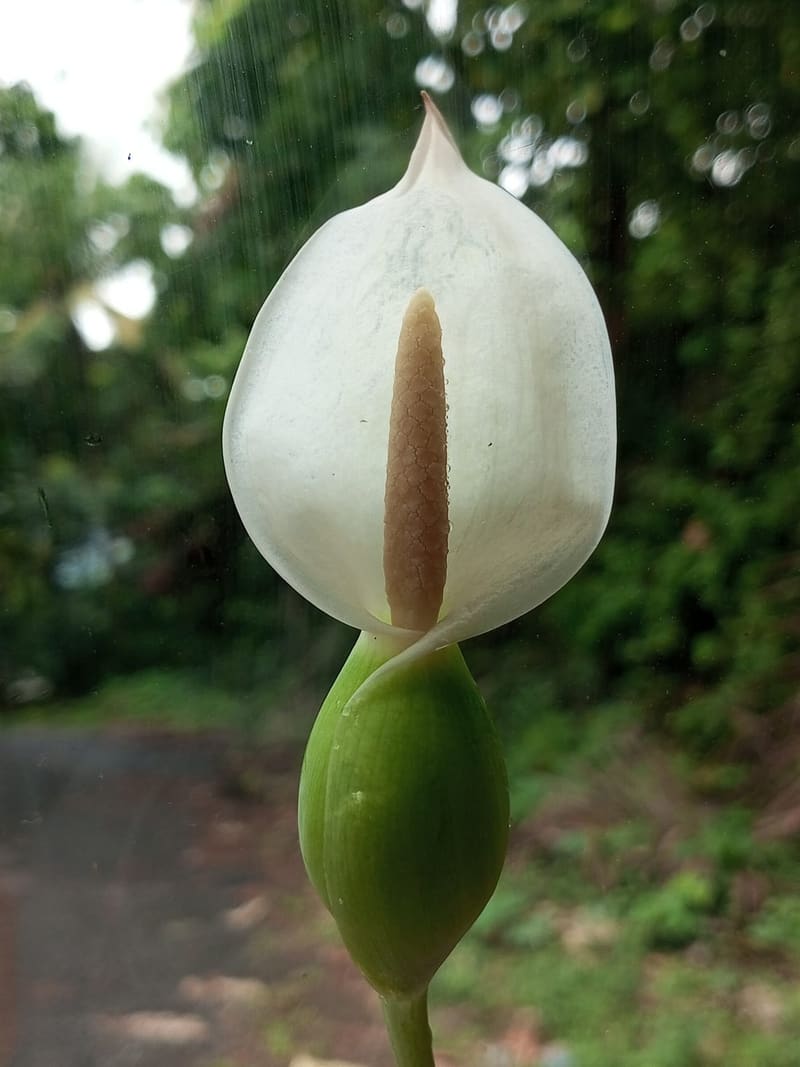
Caladium (Angel Wings)
The caladium is grown for its large, paper-thin leaves splashed in pink, red, white and green, and it grows from a tuber that goes dormant each year. It is toxic to cats and dogs if chewed.
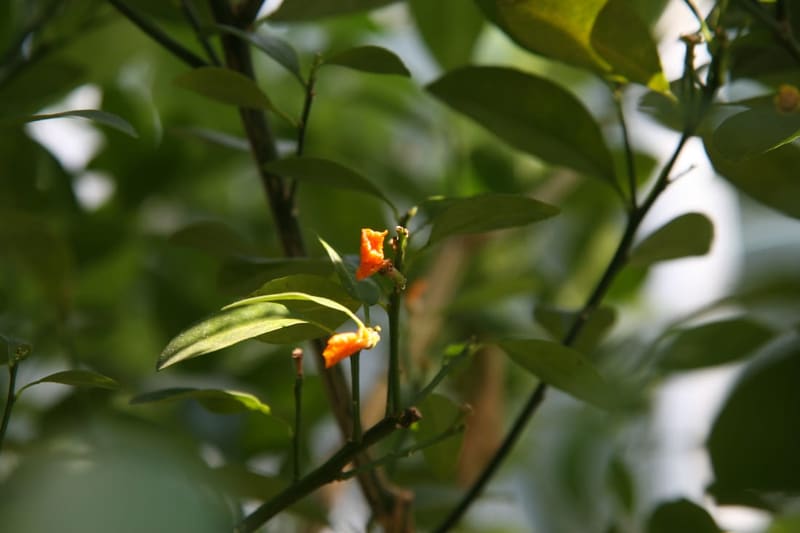
Calamondin / Calamansi
Calamondin (calamansi) is one of the easiest citrus to keep indoors — a naturally small, ornamental tree that fruits readily with tart little orange fruits used for juice and marmalade. The foliage and peel oils are toxic to pets.
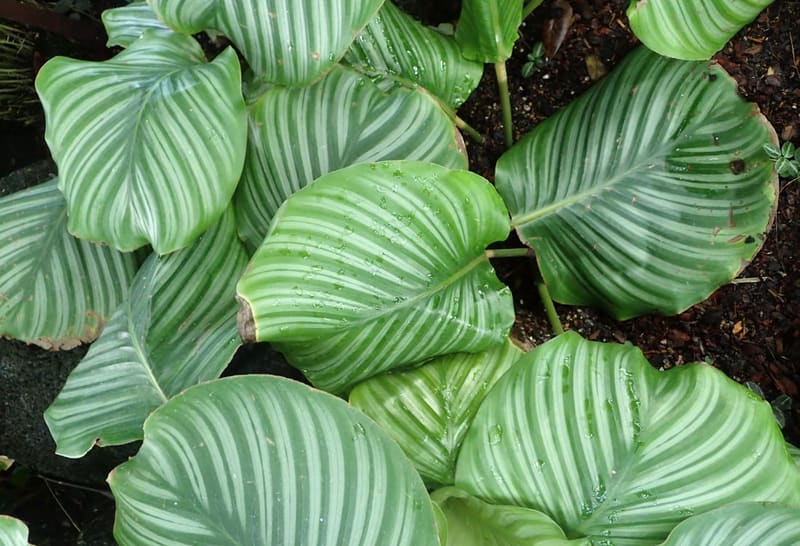
Calathea (Prayer Plant)
Calathea is a pet-safe foliage plant grown for its boldly patterned leaves that fold up at night. It is fussy about humidity and water quality, so it suits growers who enjoy a little fuss.
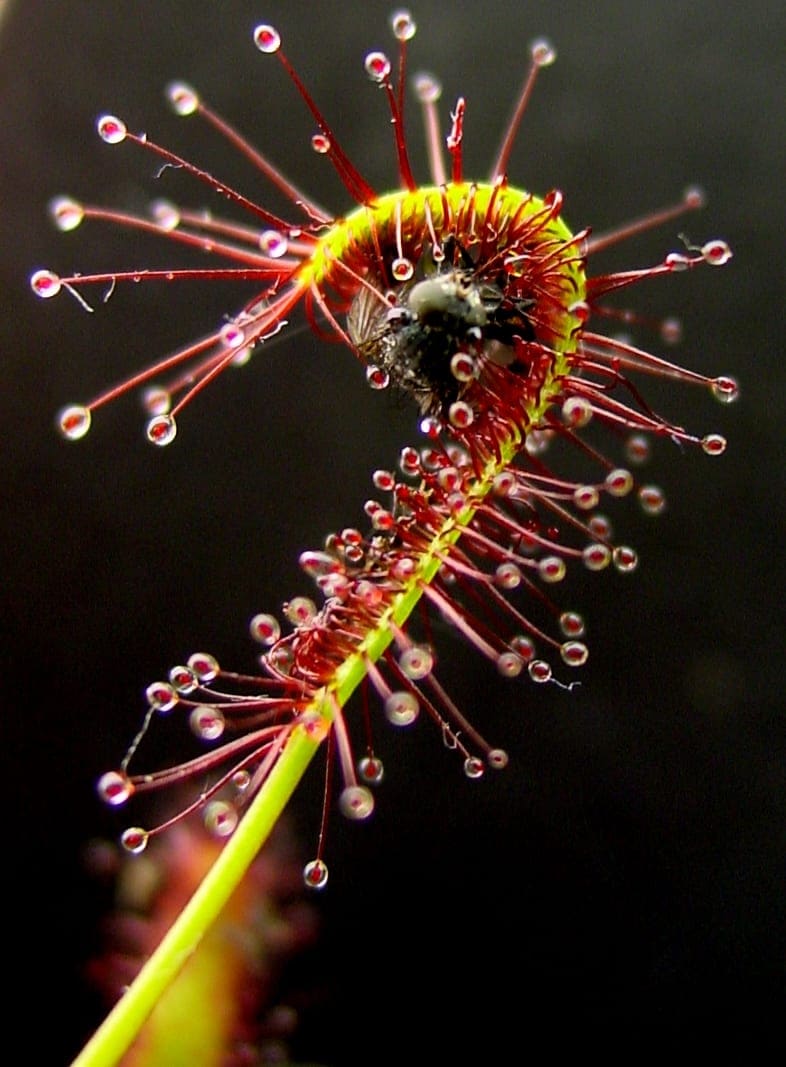
Cape Sundew
The cape sundew is a carnivorous plant whose leaves are covered in glistening sticky tentacles that trap insects. It is generally pet-safe and one of the more forgiving carnivorous plants for beginners.
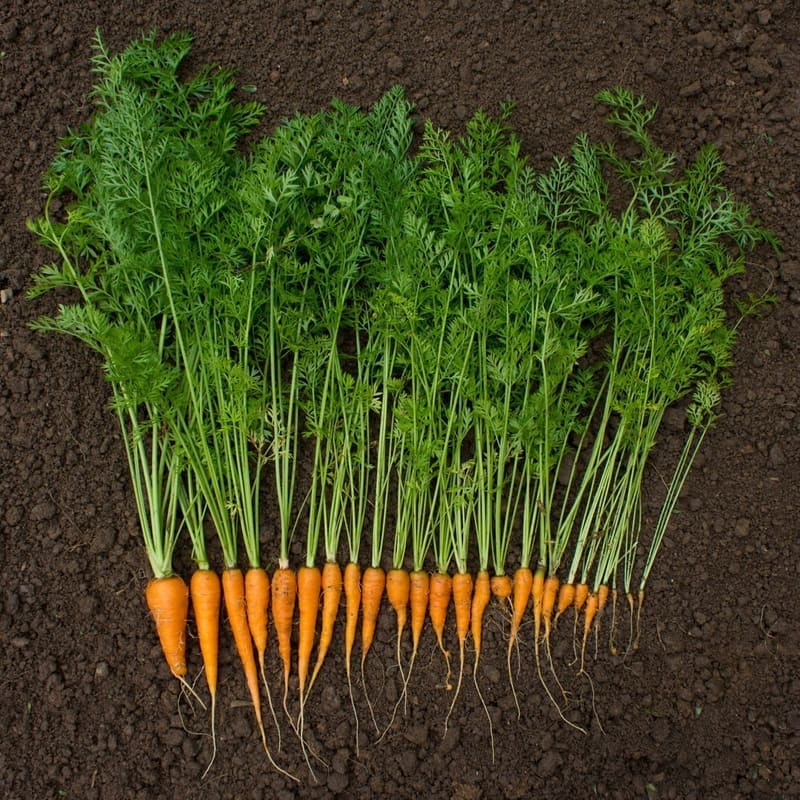
Carrot
Carrots need a deep, loose, stone-free pot and patience, but they are very rewarding fresh. Choose short, round, or “baby” types for containers rather than long market carrots.
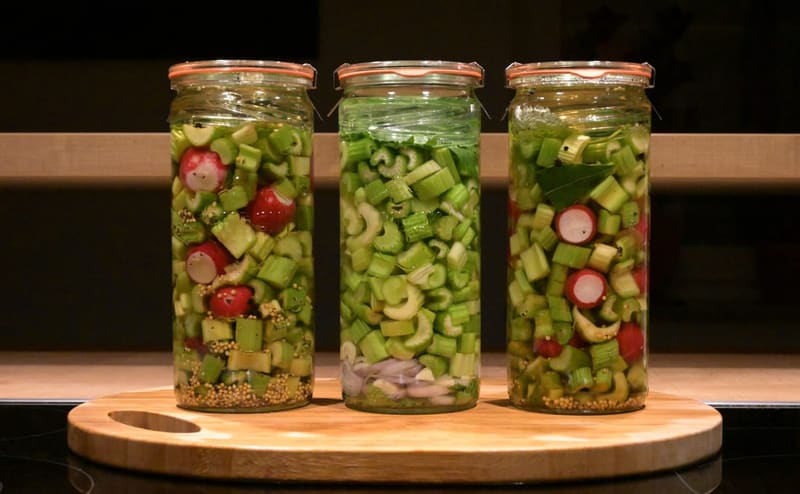
Celery
Celery is the classic regrow-from-scraps vegetable, sprouting fresh leaves and slender stalks from a leftover base. Full thick supermarket-style stalks are hard indoors, but the leaves and thin stalks are usable and steady. It needs a lot of water.
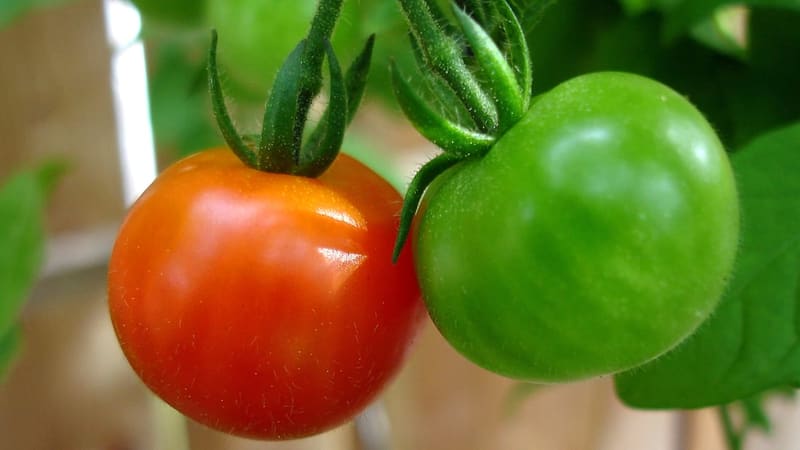
Cherry Tomato
Cherry tomatoes are the most rewarding fruiting crop for a bright windowsill or grow light and crop earlier than full-size types. They need strong light, steady water, and some support. The foliage is toxic to pets.
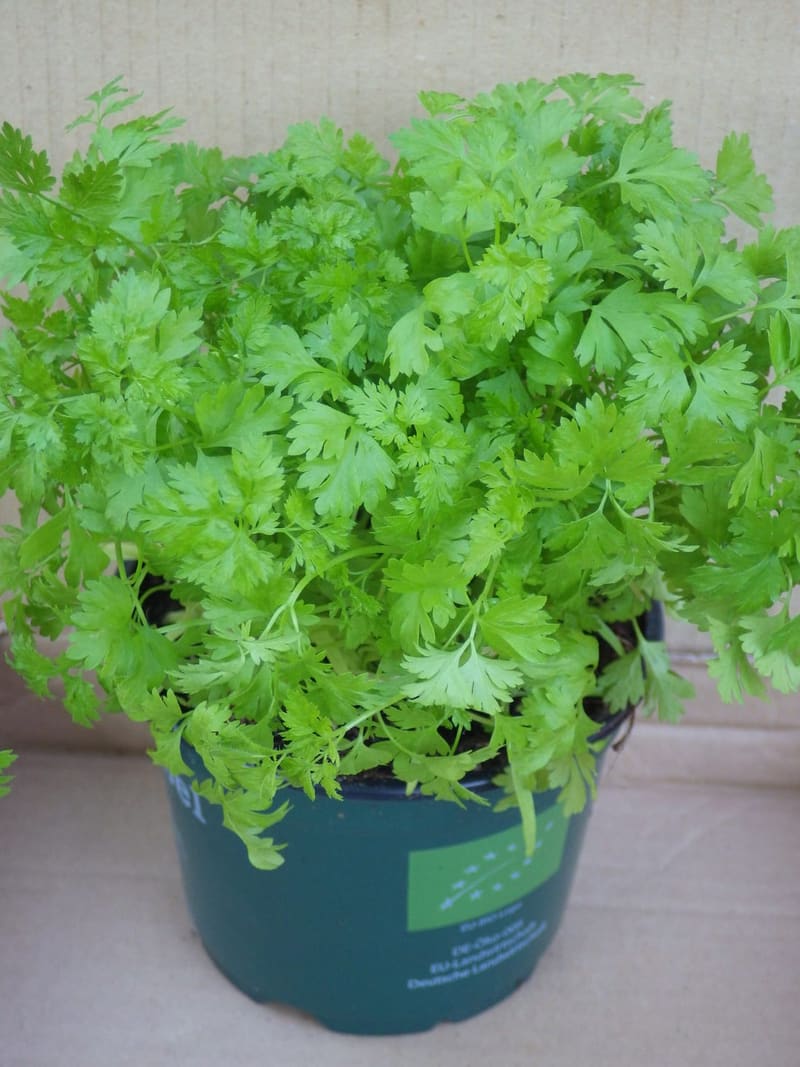
Chervil (French Parsley)
Chervil is a delicate French herb with a mild anise-and-parsley flavor that prefers cooler, shadier conditions than most herbs. It bolts quickly in heat, so it suits a bright-but-not-hot windowsill and frequent resowing.
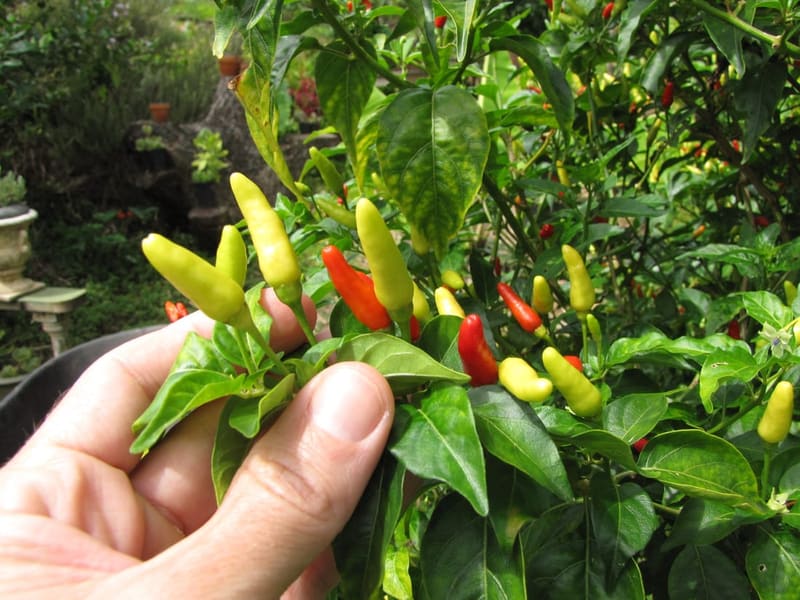
Chili Pepper
Chili peppers are a slow but very rewarding fruiting crop that thrives under a bright grow light. They love warmth and patience pays off with a long harvest. Keep the hot fruit away from curious pets.
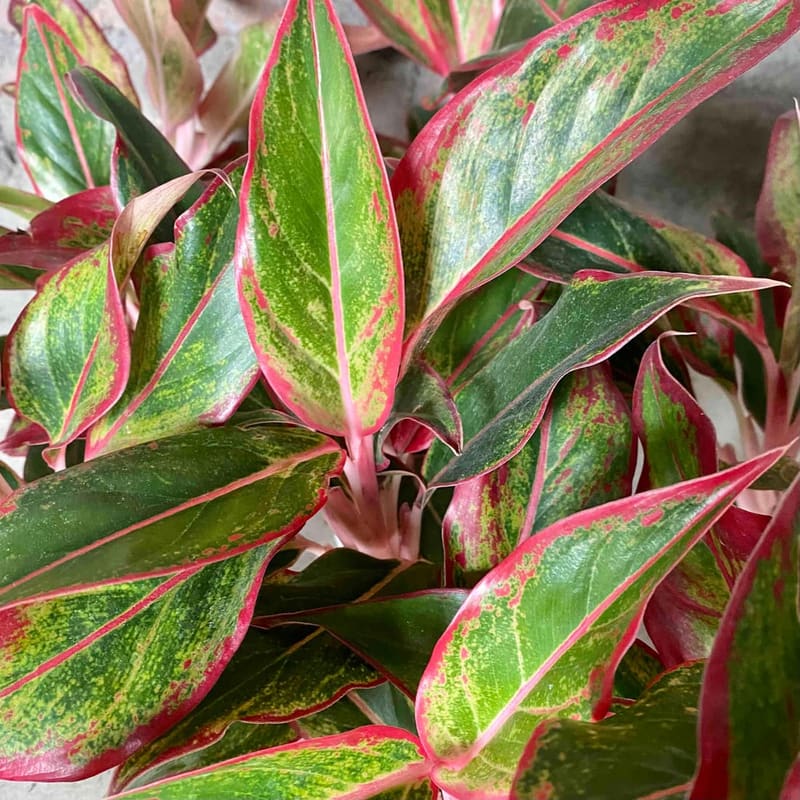
Chinese Evergreen (Aglaonema)
The Chinese evergreen is an easy, low-light foliage plant with patterned silver, green, or pink leaves. It is toxic to cats and dogs if chewed.
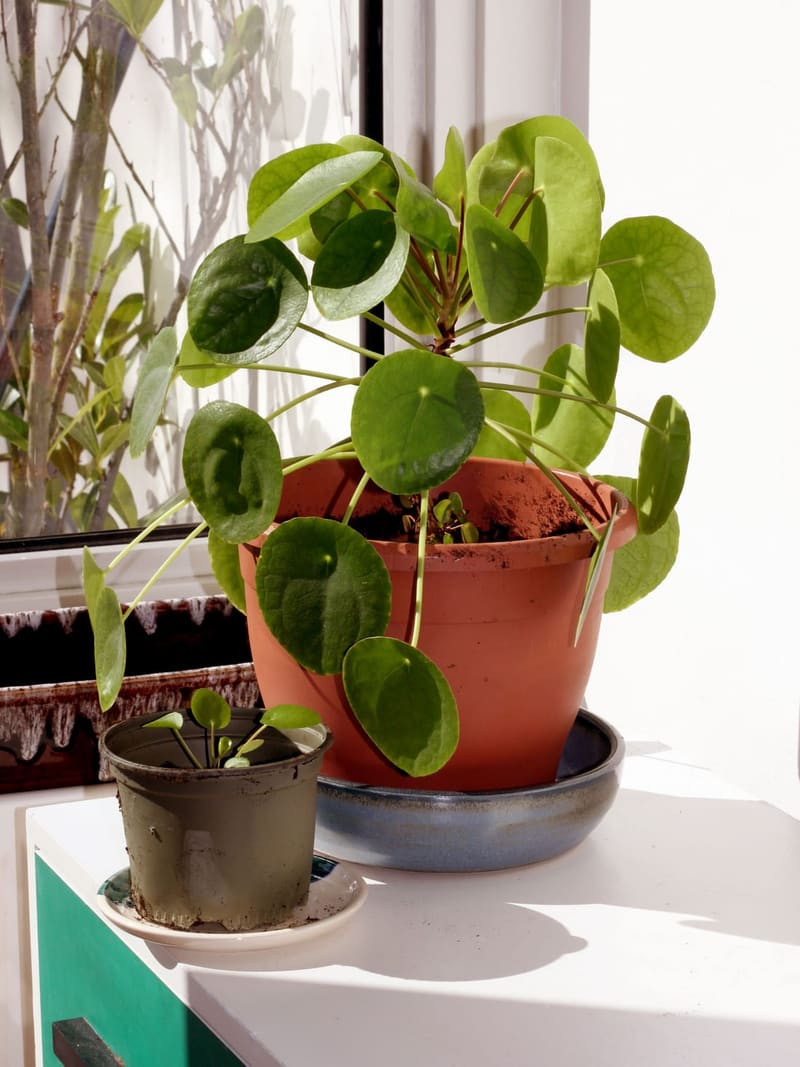
Chinese Money Plant (Pilea)
Pilea is a tidy, pet-friendly plant with round coin-shaped leaves that readily produces offshoot "pups" to share. Easy and compact for small spaces.
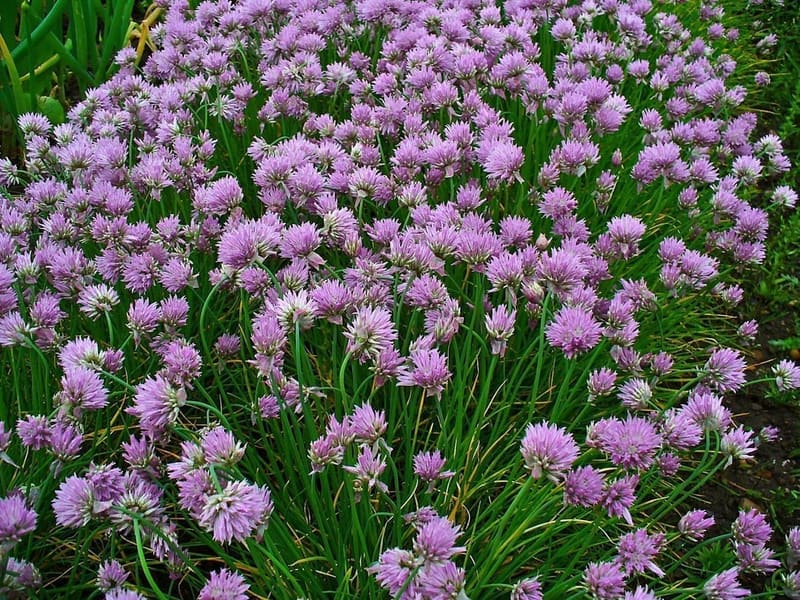
Chives
Chives are an easy, compact onion-family herb you snip like grass and they keep regrowing from the base. Note the whole onion family is toxic to cats and dogs, so site them out of reach.
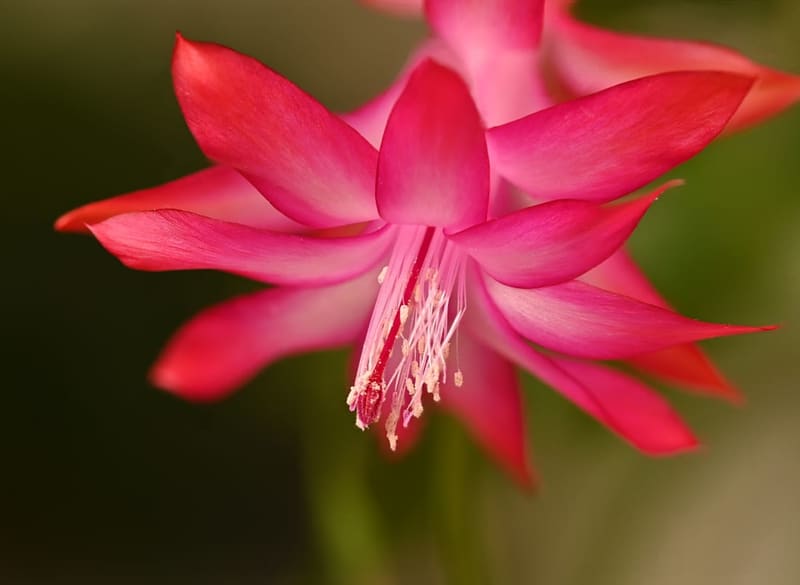
Christmas Cactus
The Christmas cactus is a pet-safe, easy-flowering jungle cactus that blooms in pink, red, or white around the winter holidays. Unlike desert cacti, it has no spines and wants more regular water.
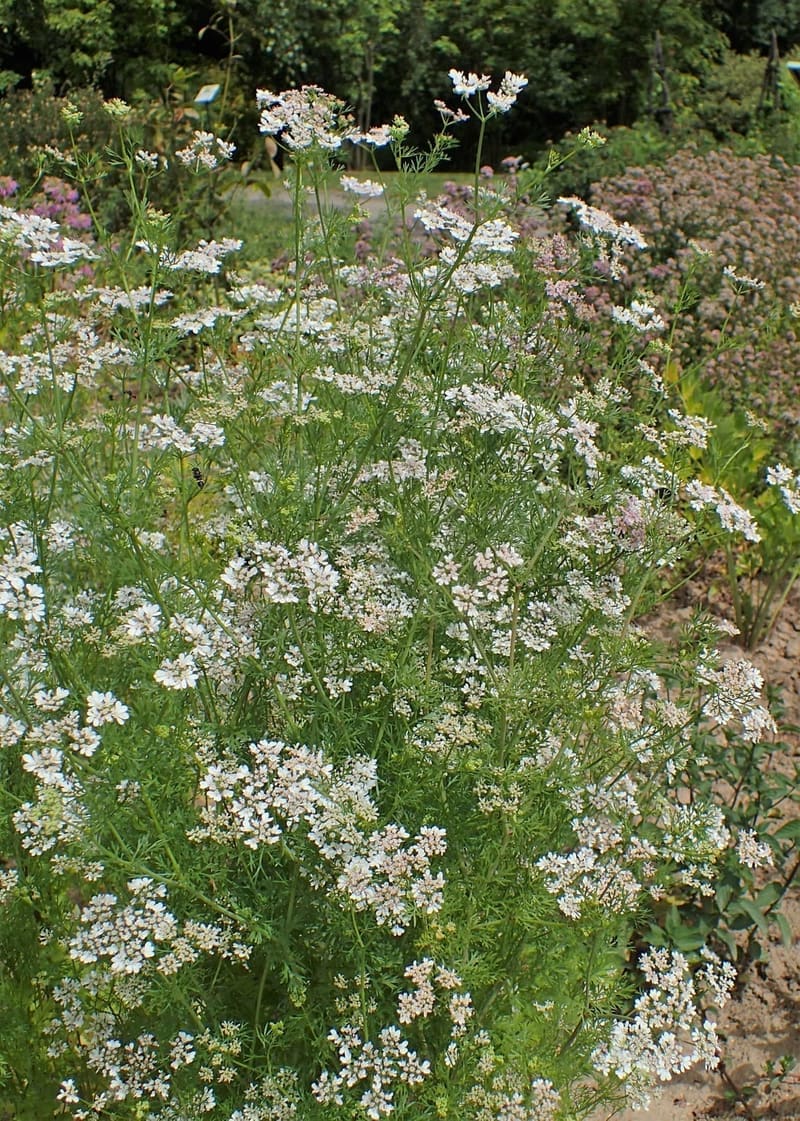
Cilantro / Coriander
Cilantro grows quickly but bolts to seed in heat, so it suits cooler spots and frequent resowing. The same plant gives leaf (cilantro) and seed (coriander).
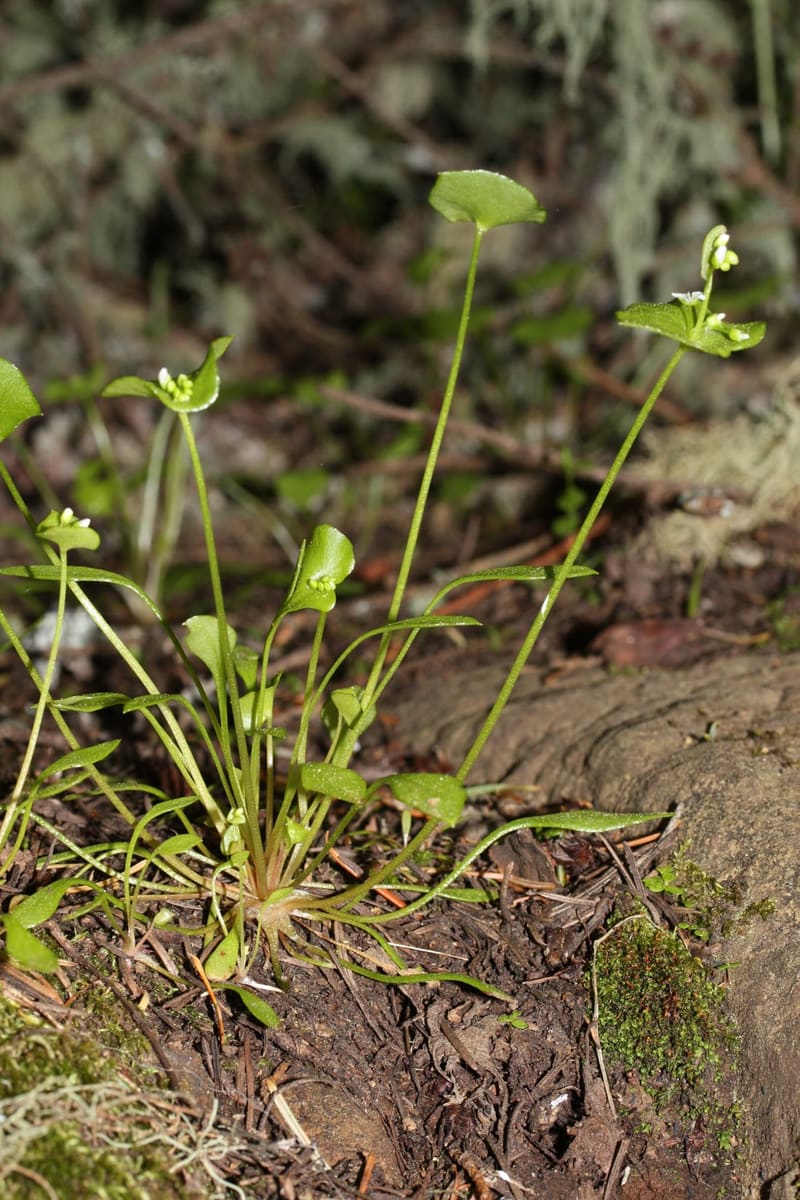
Claytonia (Miner’s Lettuce)
Claytonia, also called miner’s lettuce or winter purslane, is a cold-hardy green with succulent, mild, faintly sweet leaves that thrives in cool, low-light conditions where other greens struggle. It is one of the best choices for a dim winter windowsill.
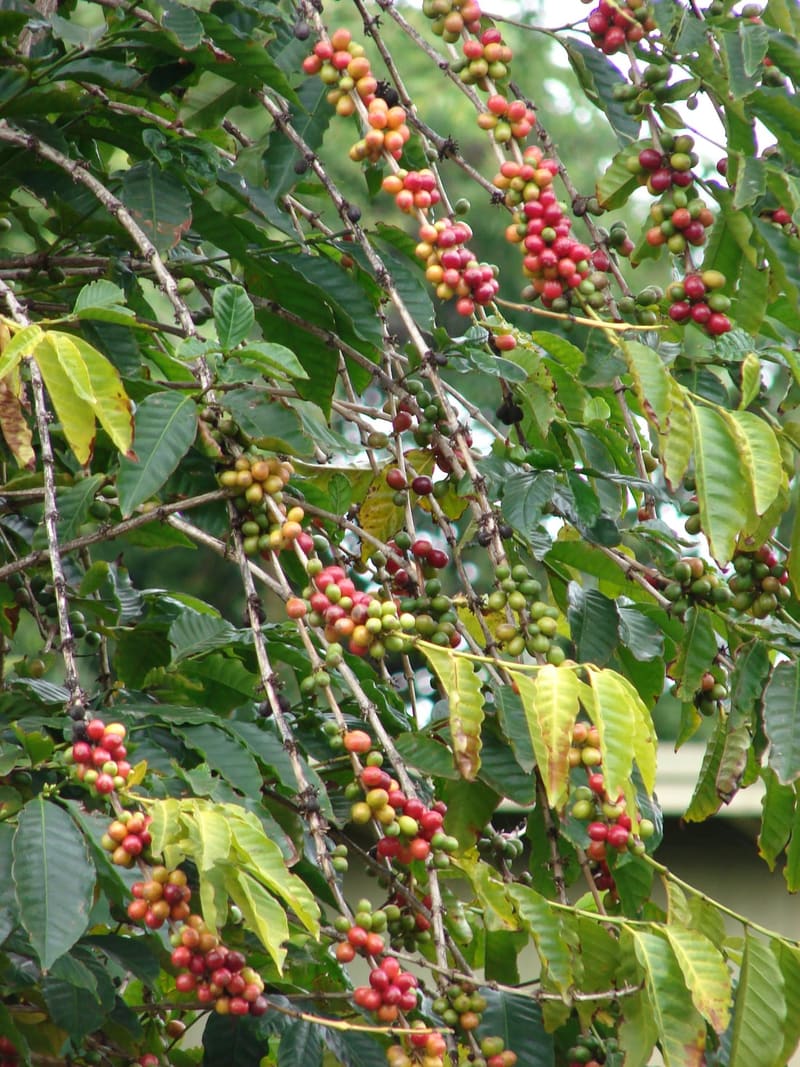
Coffee Plant
The coffee plant is a genuinely good glossy-leaved houseplant and a fun grow-your-own novelty. Be realistic about beans, though: a harvest indoors is a slow, low-yield, multi-year project, so grow it first for the handsome foliage. It is toxic to pets.
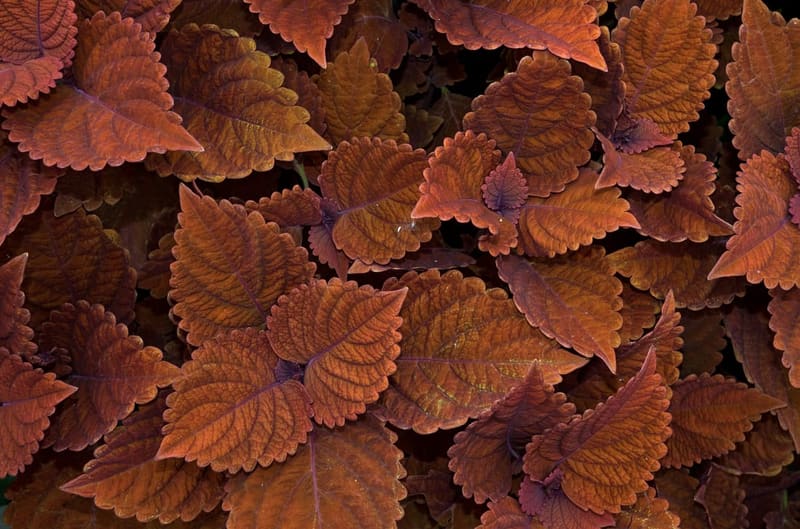
Coleus
Coleus is grown for its vivid patterned leaves in shades of red, pink, lime and burgundy, and it is fast and easy from cuttings. It is toxic to cats and dogs if chewed.
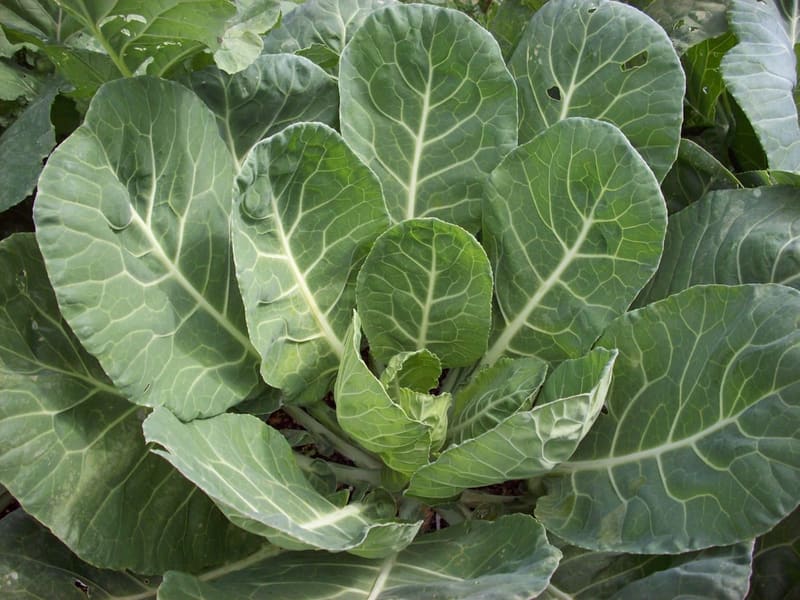
Collard Greens
Collards are a tough, heat- and cold-tolerant leafy green from the same species as kale and cabbage. They keep producing large leaves over a long season when picked from the bottom.
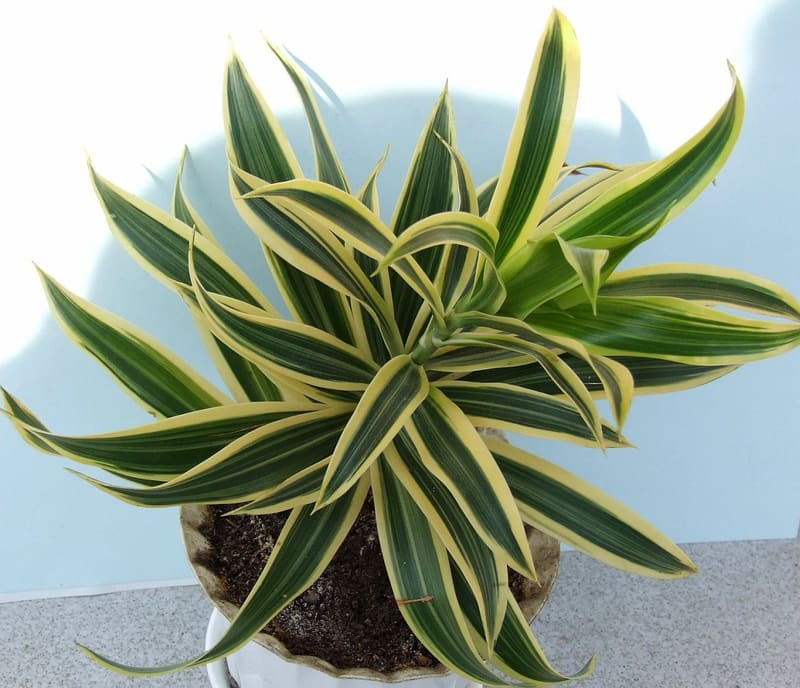
Corn Plant
The corn plant is a tough, upright foliage plant with arching strap-like leaves that tolerates low light and irregular care. It is toxic to cats and dogs if chewed.
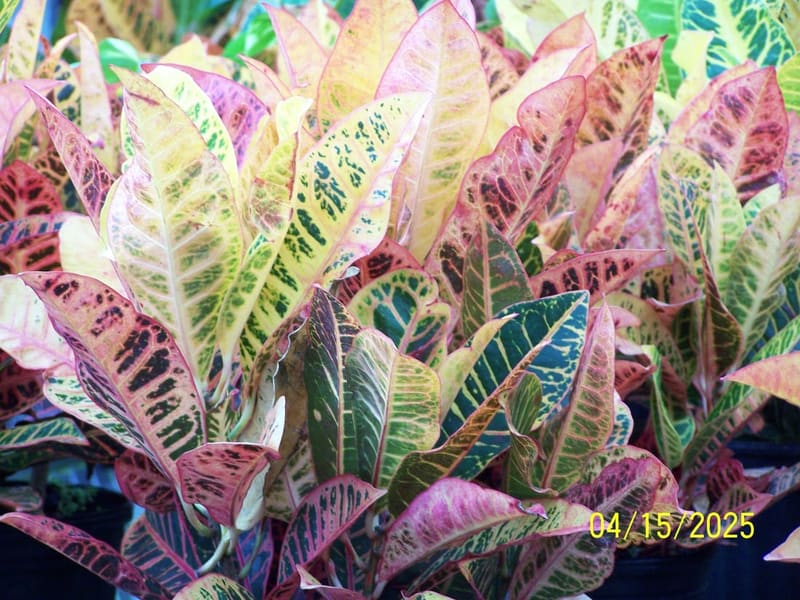
Croton (Garden Croton)
The croton is grown for its vivid red, orange, and yellow leaves, which need strong light to stay bright. It is toxic to pets and its sap can irritate skin.
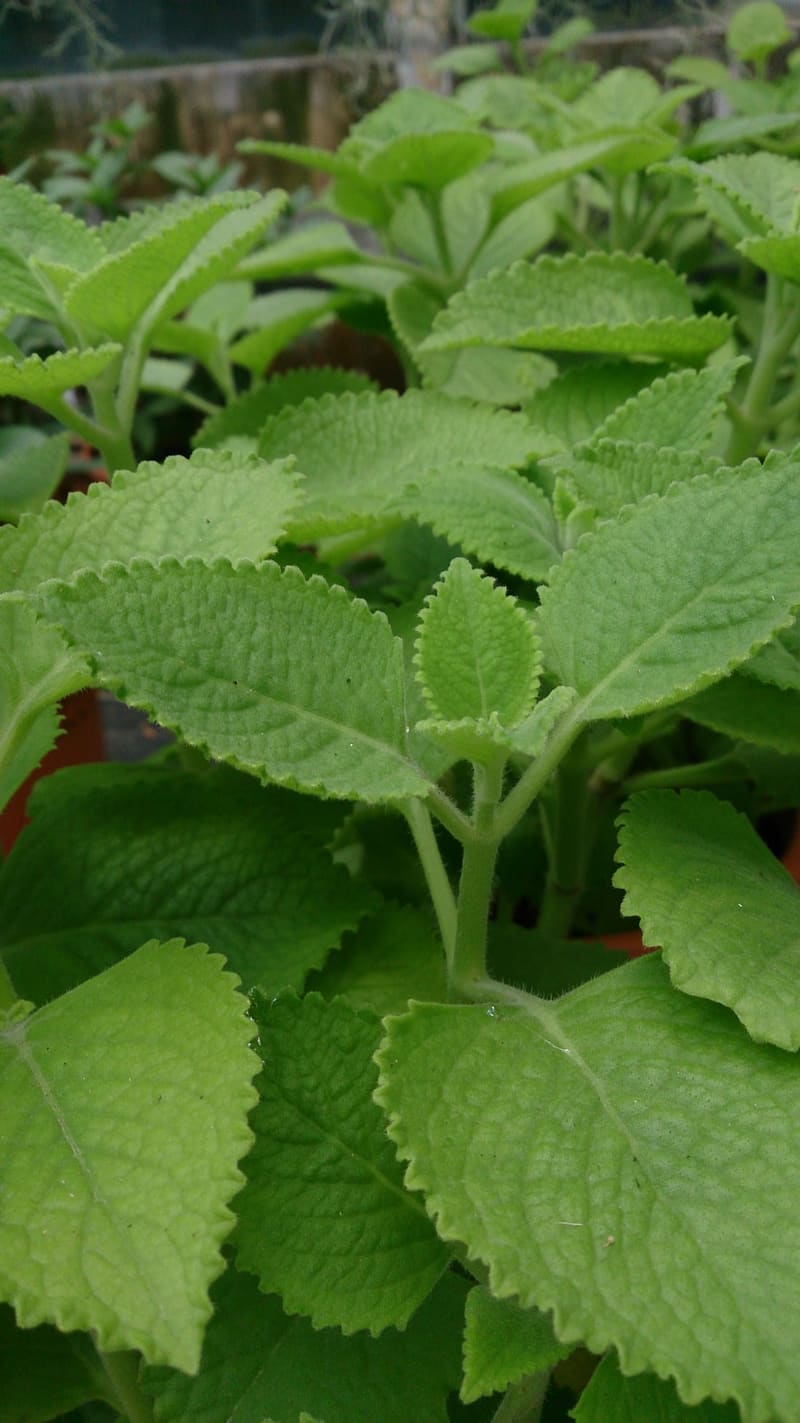
Cuban Oregano
Cuban oregano is a true global crossover — an oregano substitute in the Caribbean and Latin America, karpooravalli in South India, used across Africa and Southeast Asia. The fleshy, fuzzy leaves make it one of the easiest plants to keep, though it is toxic to pets.
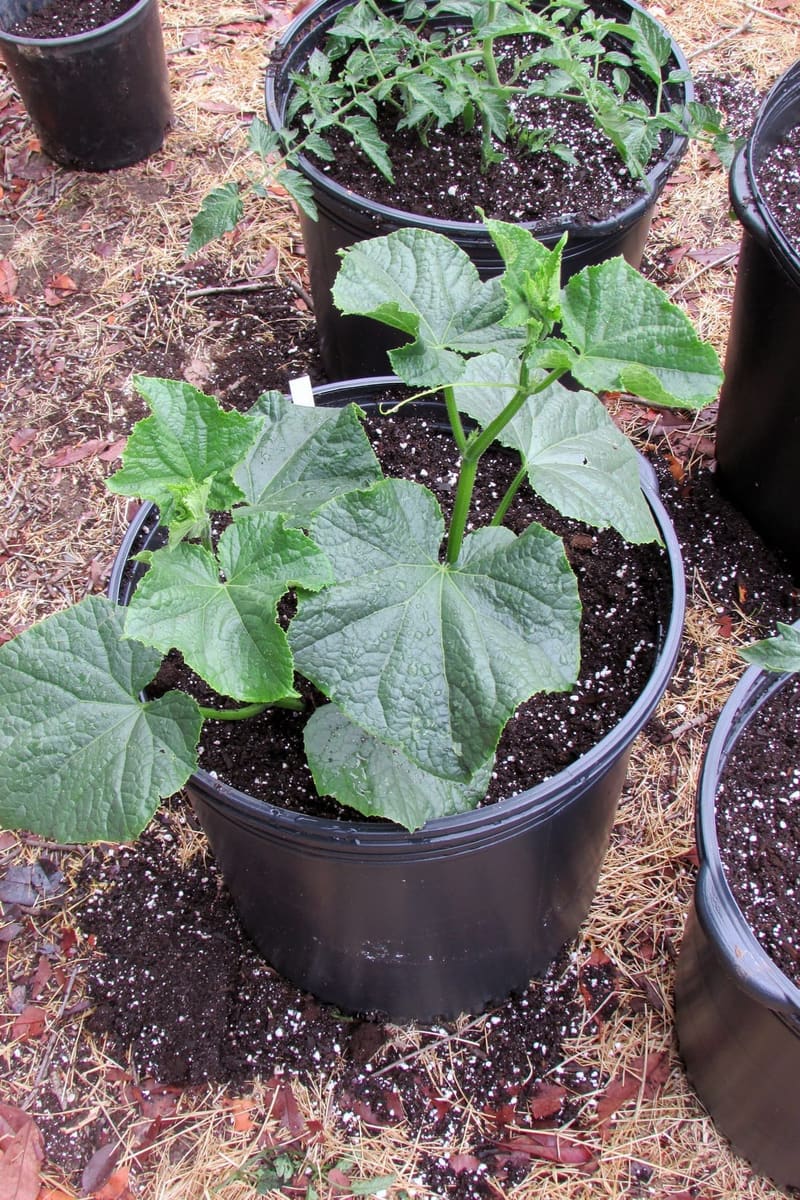
Cucumber (Bush / Patio)
Bush or patio cucumber varieties are bred for containers and crop earlier than sprawling vining types. They are thirsty and light-hungry, and a trellis or compact ‘patio’ type keeps them manageable indoors.
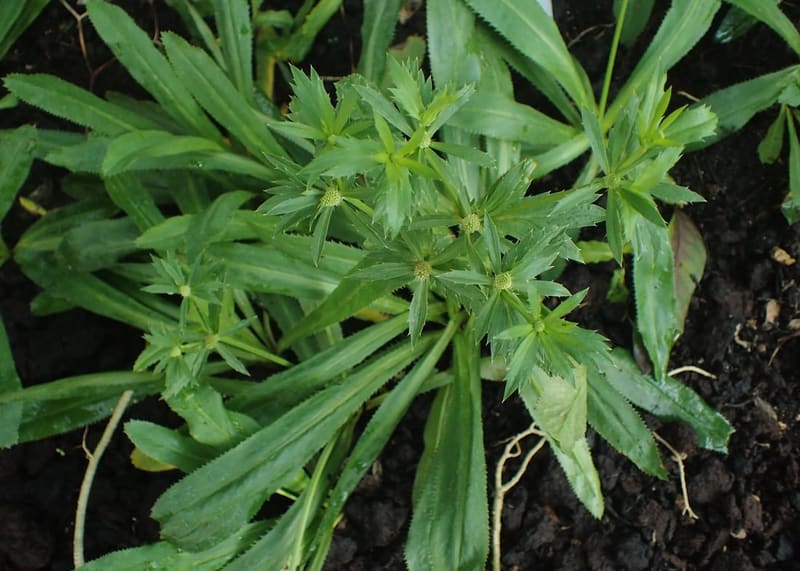
Culantro / Recao
Culantro is the heat-tolerant cousin of cilantro behind Puerto Rican sofrito (recao) and Vietnamese pho (ngo gai). Unlike cilantro it prefers some shade, which suits a dimmer kitchen, though it is slow to start.
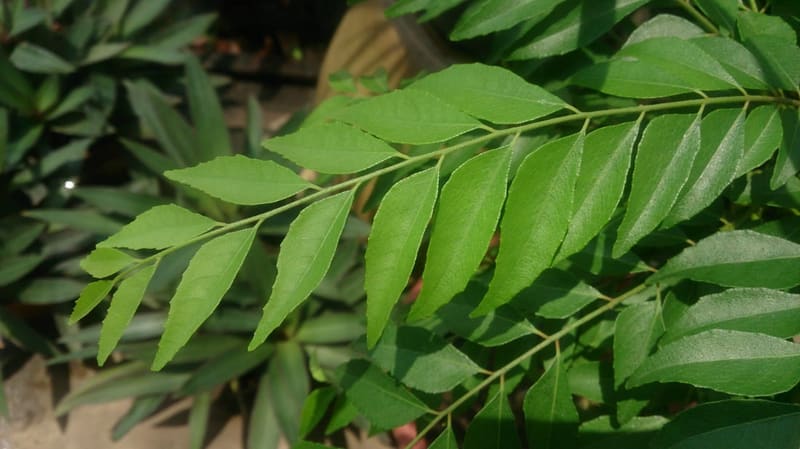
Curry Leaf
Curry leaf is the aromatic backbone of South Indian and Sri Lankan tempering, and nothing in the spice rack substitutes for the fresh leaf. It grows as a small container shrub but needs your sunniest spot.
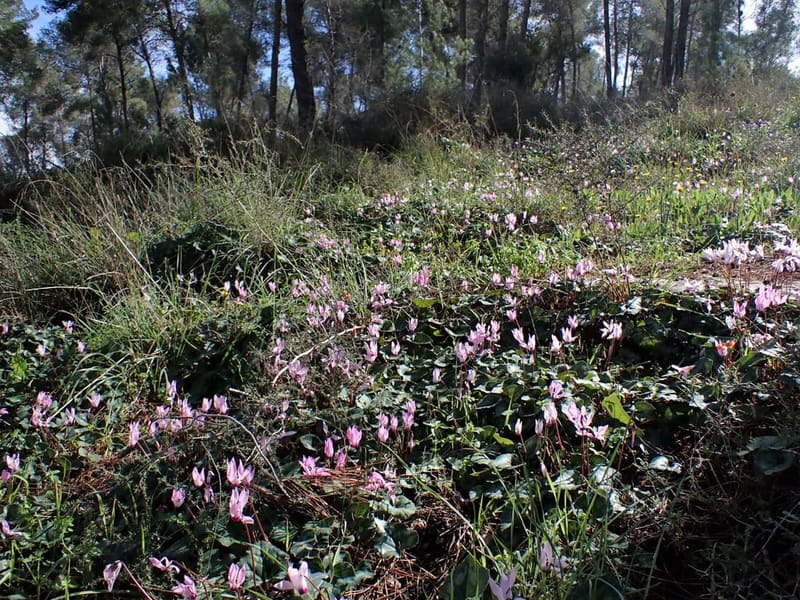
Cyclamen
Cyclamen is a winter-flowering plant with swept-back petals above patterned heart-shaped leaves. It is genuinely toxic to cats and dogs — especially the tuber — so keep it well out of reach of pets.
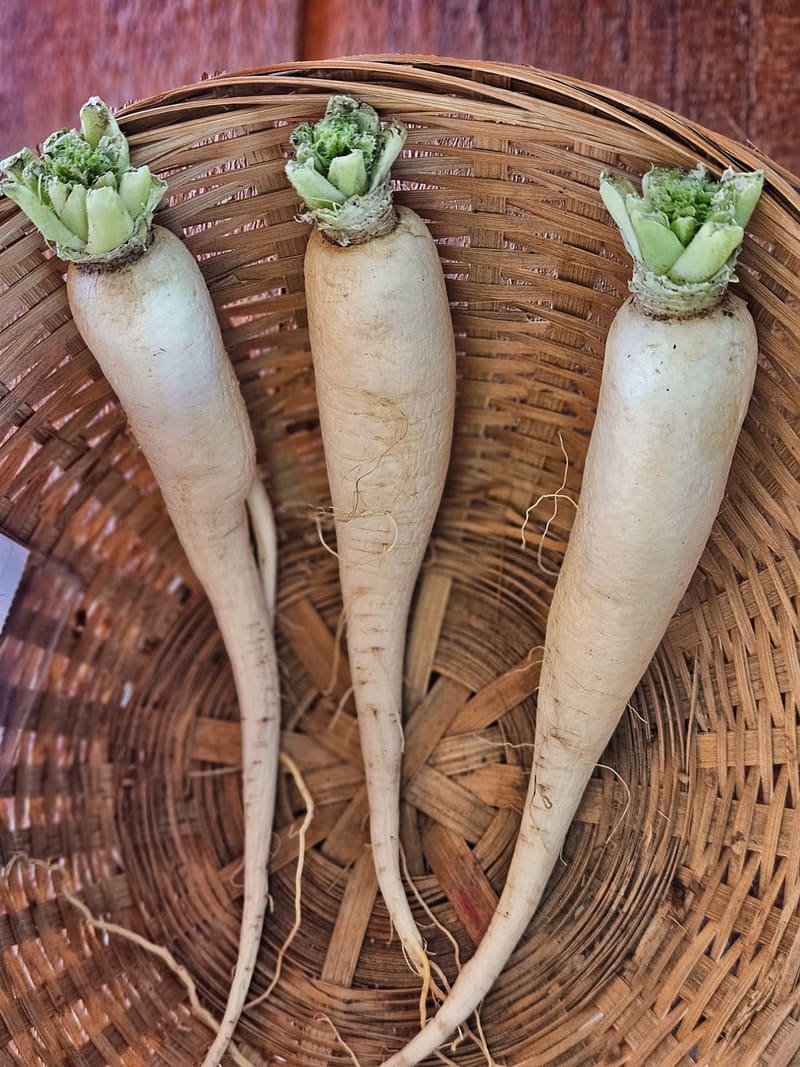
Daikon Radish
Daikon is a large, mild East Asian radish grown for crisp white roots used raw, pickled, or cooked. It grows quickly but needs a genuinely deep container to form a full-length root.
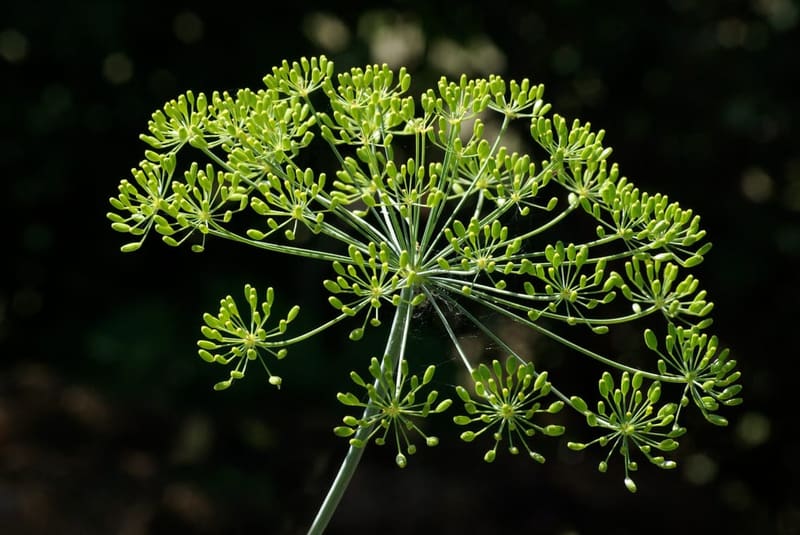
Dill
Dill is a fast feathery herb that prefers bright light and a deeper pot for its taproot. It bolts to flower fairly quickly, so resow in batches for continuous fronds.
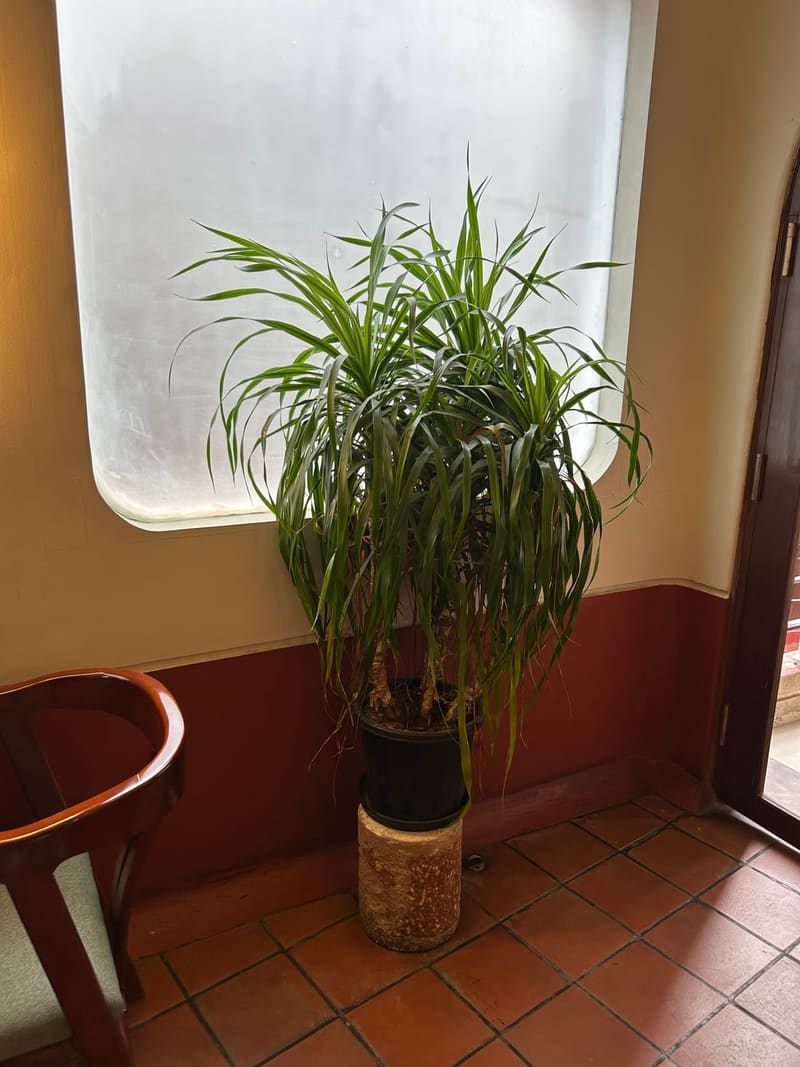
Dragon Tree (Dracaena Marginata)
The dragon tree is a tough, upright foliage plant with thin spiky leaves on slender canes. It is toxic to cats and dogs if chewed.
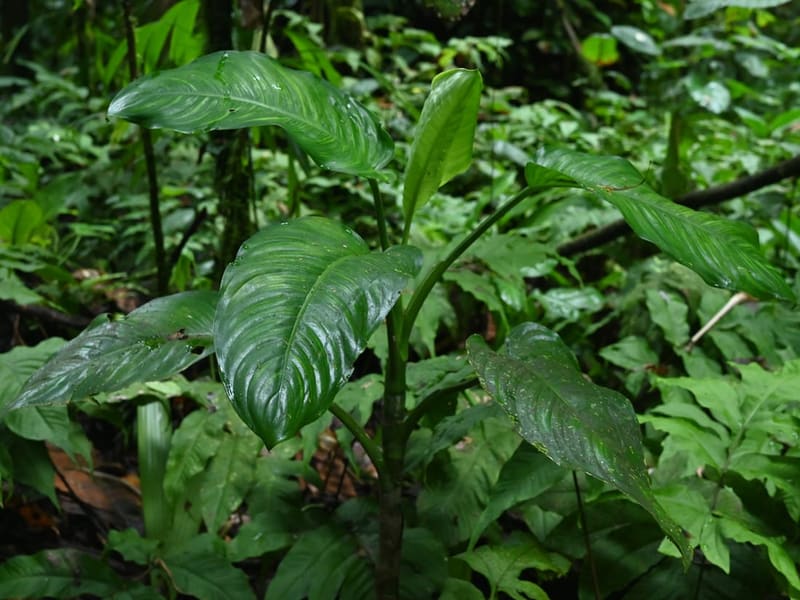
Dumb Cane (Dieffenbachia)
Dumb cane is an easy, fast-growing foliage plant with large green-and-cream leaves. It is toxic to cats and dogs, and its sap can irritate human skin and mouth.
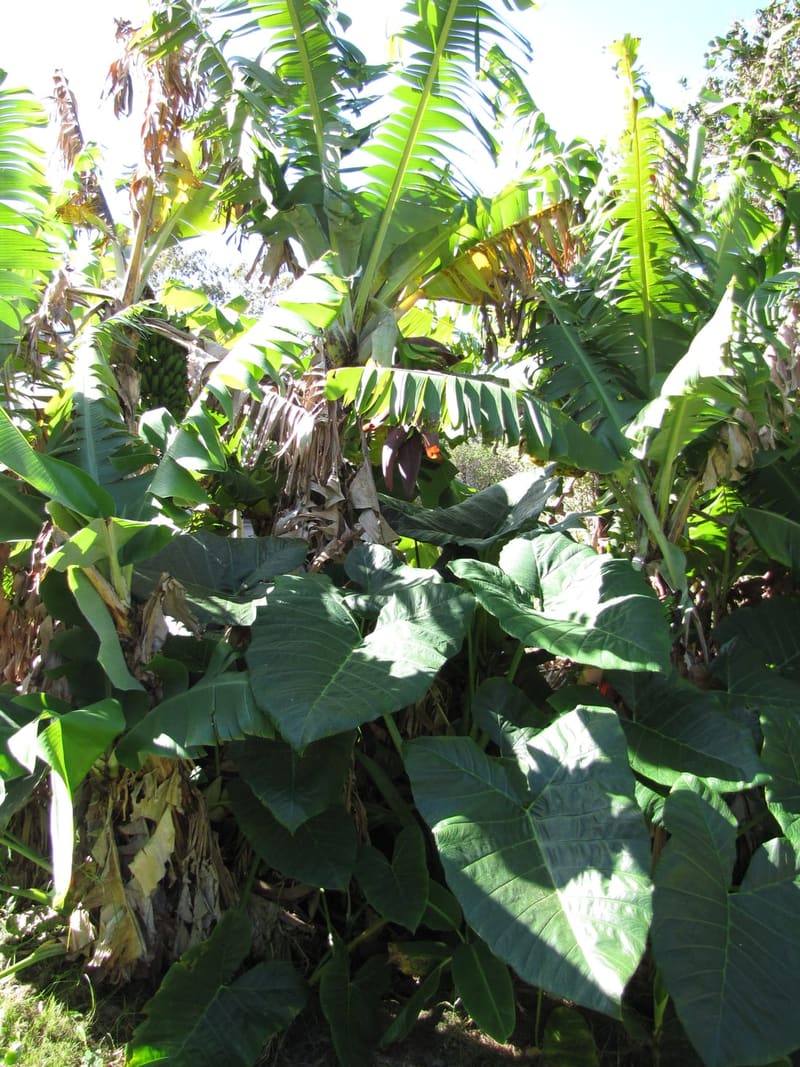
Dwarf Cavendish Banana
The dwarf Cavendish is the banana people actually grow in a big pot — a dramatic tropical statement plant for a bright, warm room. Be honest with yourself about fruit: indoors it is uncommon and demands strong light, warmth, space, and heavy feeding, so grow it for the foliage and treat any fruit as a bonus.
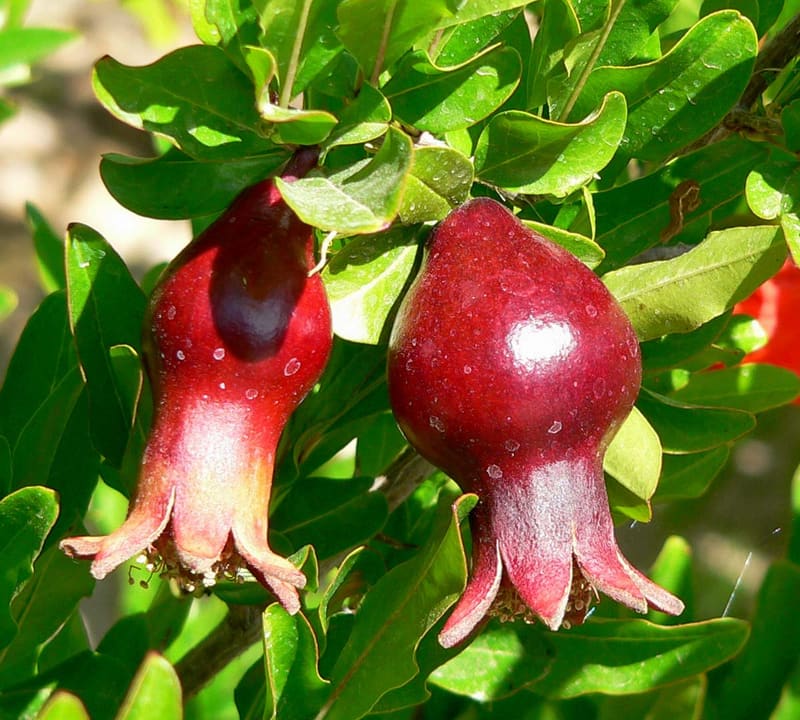
Dwarf Pomegranate
The dwarf pomegranate is a Mediterranean and Middle Eastern icon scaled to a pot — the true ‘Nana’ stays about a metre, is self-fertile, and carries vivid orange-red flowers. The fruit is small and more ornamental than a market pomegranate, so grow it for the flowers as much as the harvest.
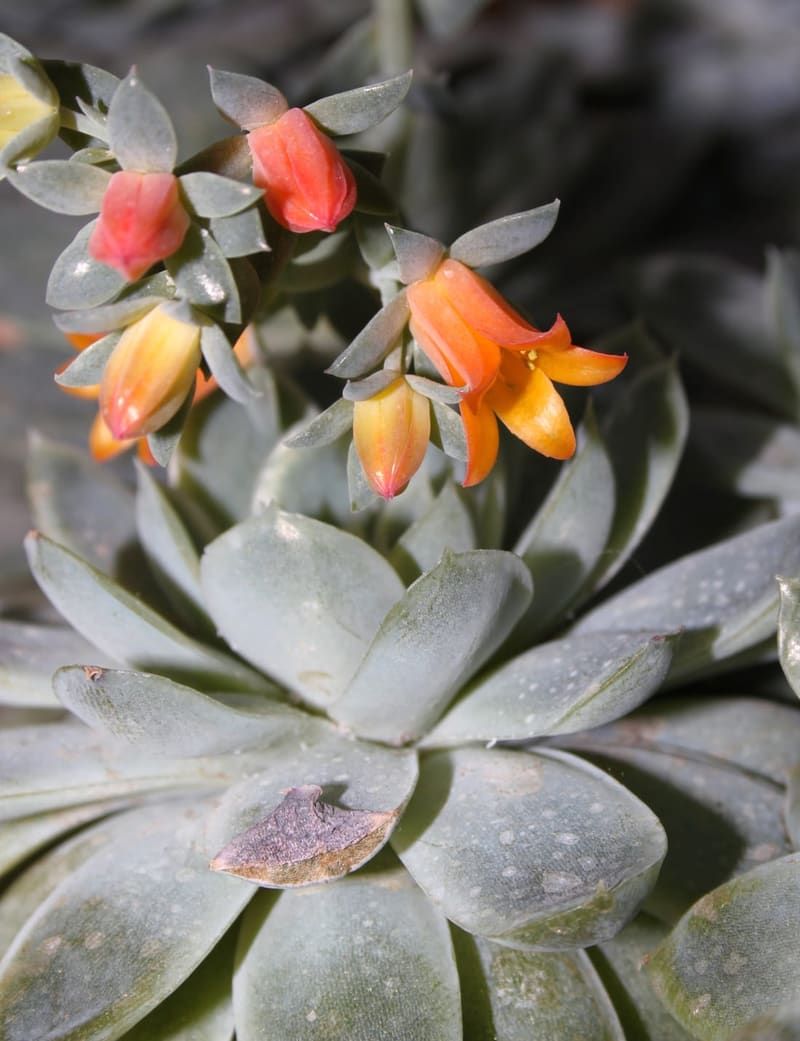
Echeveria
Echeveria is a compact rosette succulent prized for its symmetry and pastel colours, and it is generally considered pet-safe. It needs bright light to keep its tidy shape.
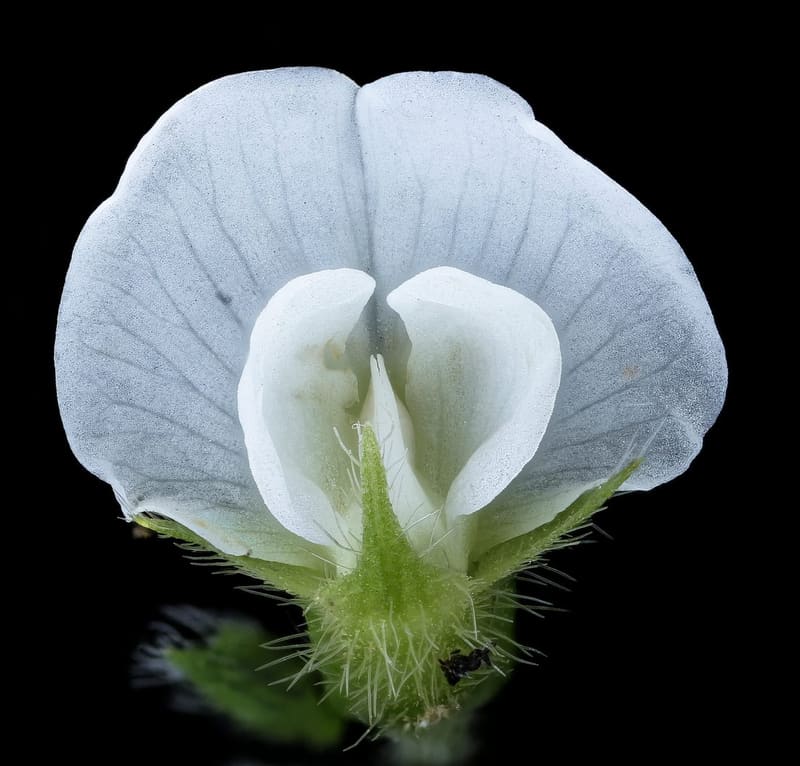
Edamame (Soybean)
Edamame are immature soybeans harvested green and steamed in the pod. Plants are bushy and self-supporting but tend to ripen most of their pods at once, so plan to grow a small cluster.
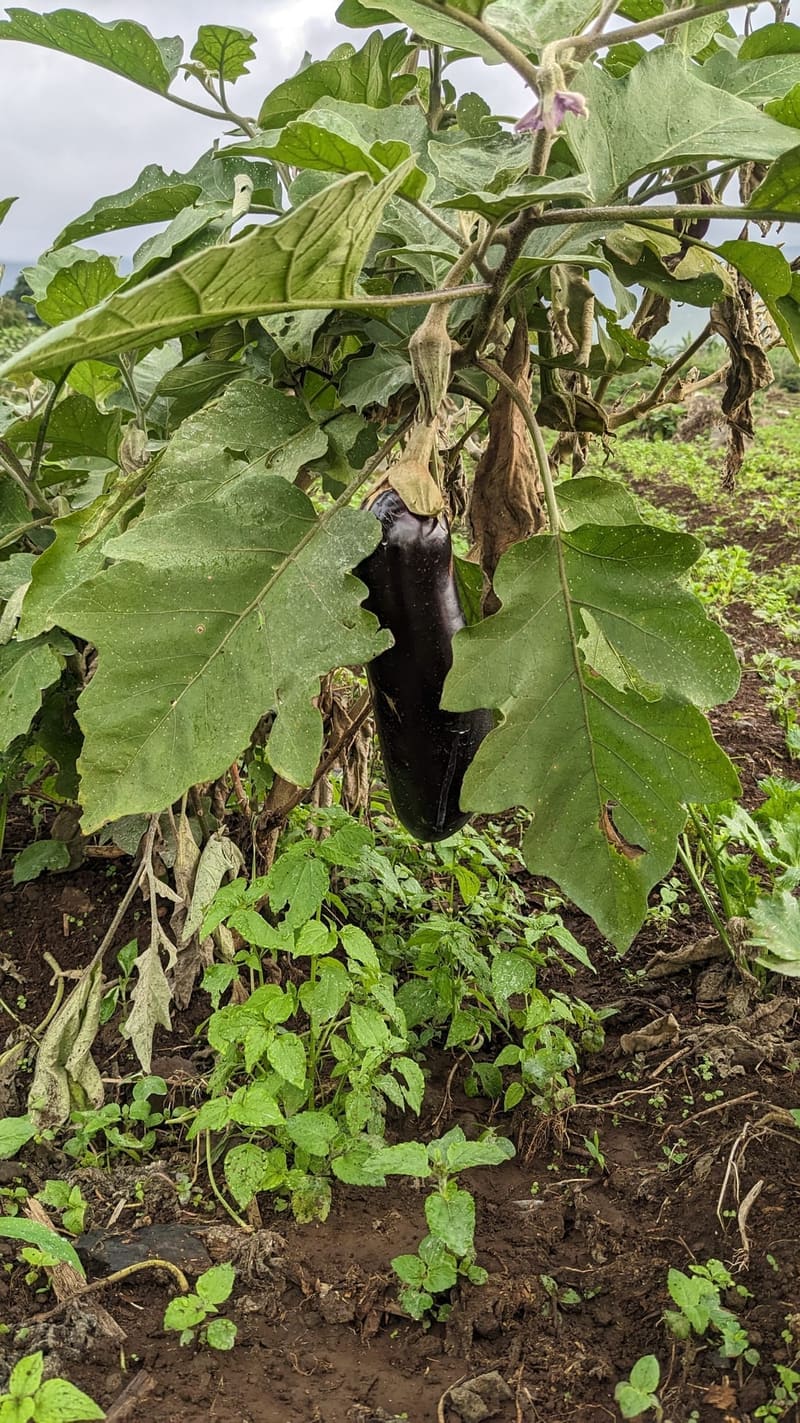
Eggplant / Aubergine
Eggplant is a warmth-loving nightshade that needs strong light and patience, rewarding it with glossy fruit. Choose a compact or dwarf variety for containers. Like its tomato relatives, the foliage is toxic, so keep it away from pets.
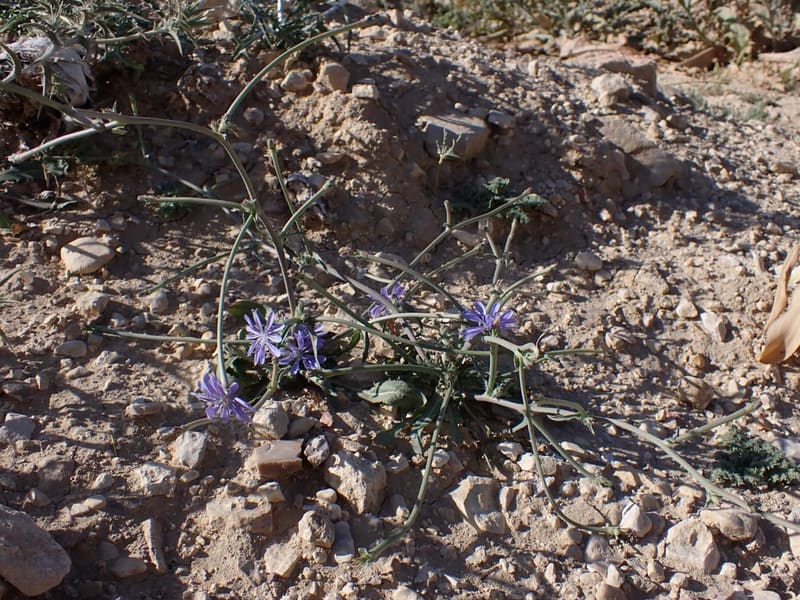
Endive (Frisée)
Endive is a leafy chicory relative that forms a frilly, slightly bitter head used in salads. The curly-leaved type is often called frisée, and blanching the center reduces the bitterness.

English Ivy
English ivy is a trailing or climbing vine with classic lobed leaves, often grown in hanging pots. It is toxic to cats and dogs if chewed.
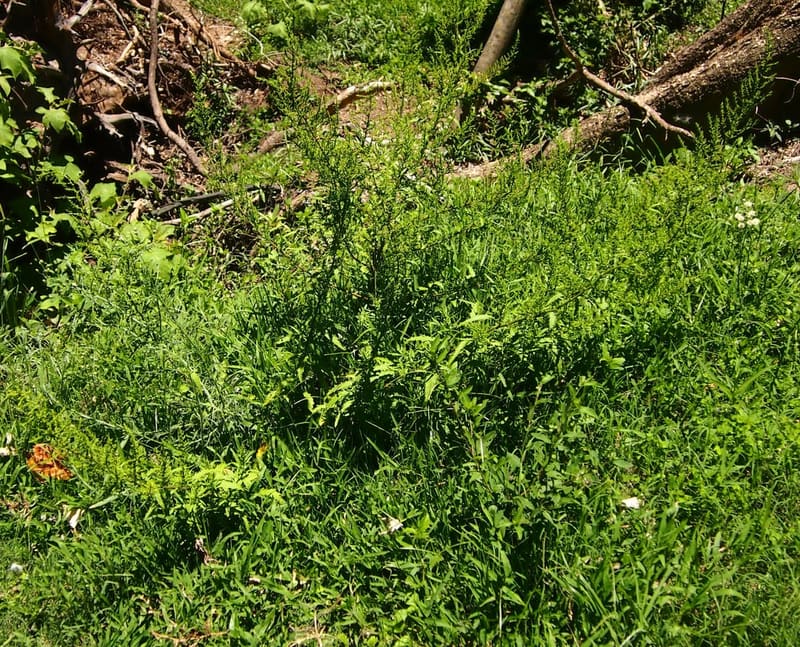
Epazote
Epazote is the signature herb of Mexican bean and quesadilla cooking, used in small amounts for its sharp, distinctive flavour. It is easy and vigorous, but its essential oil is toxic in quantity, so it is a flavouring, not a salad green.
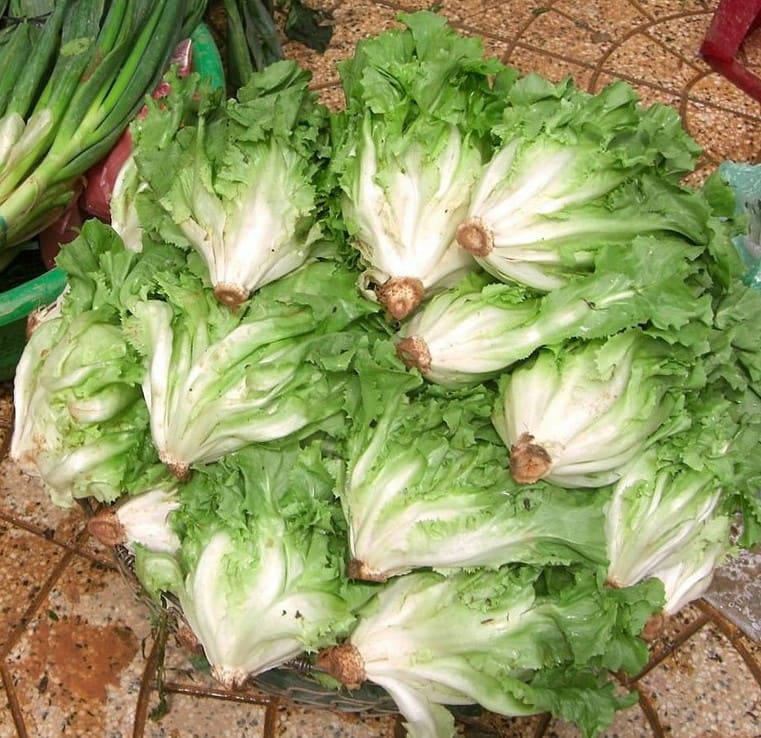
Escarole
Escarole is the broad-leaved form of endive, with flatter, less bitter leaves that hold up well to braising and soups as well as salads. The pale inner leaves are noticeably milder and sweeter than the outer ones.
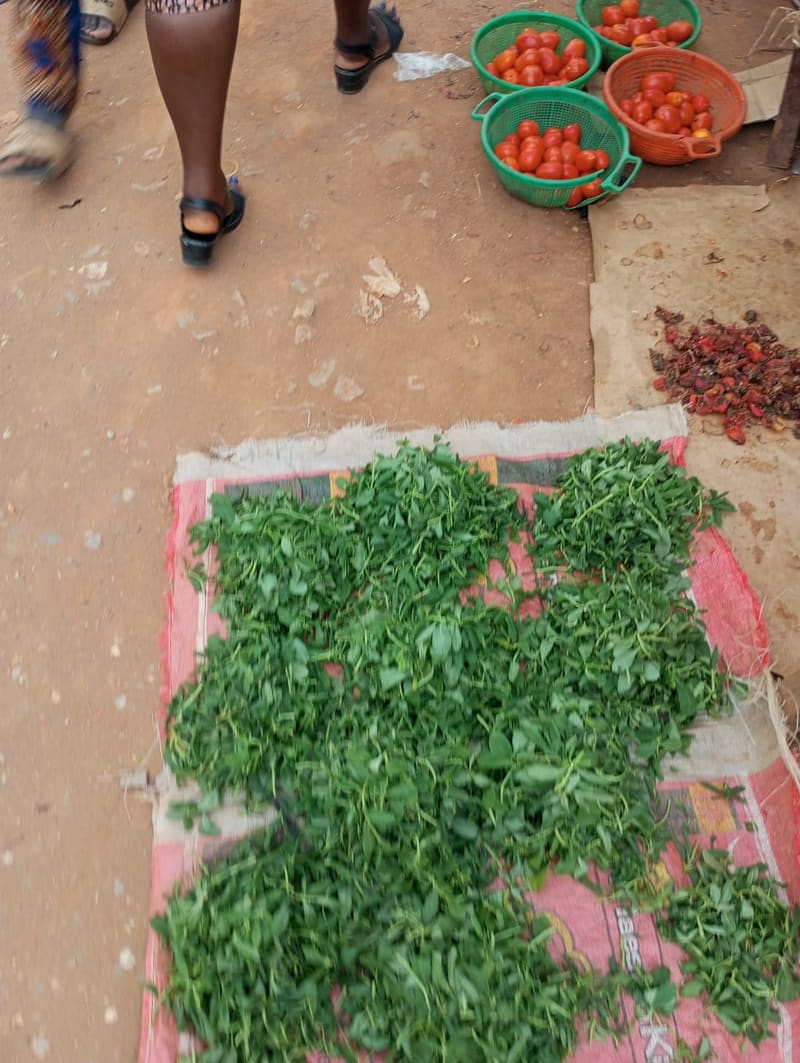
Fenugreek / Methi
Fenugreek, grown for the leaf as methi, is one of the fastest and most forgiving container crops there is — leaves in three to four weeks from seed across South Asian and Middle Eastern kitchens. The seeds double as a spice.
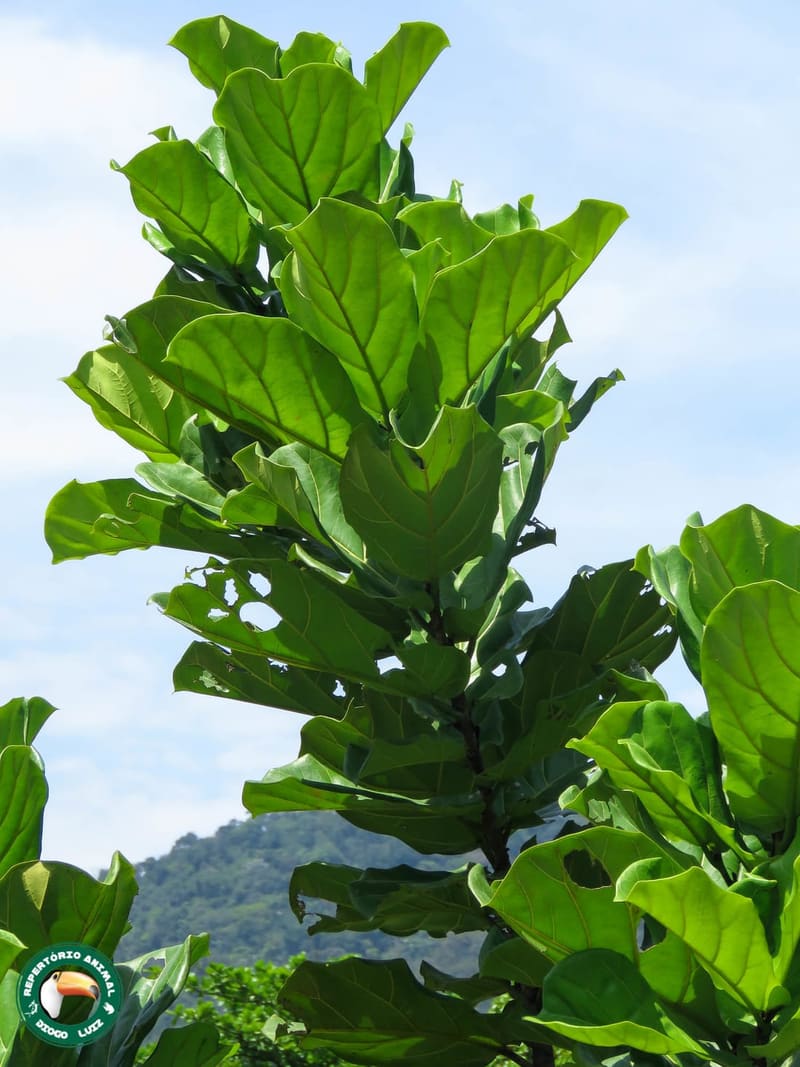
Fiddle Leaf Fig
The fiddle leaf fig is a dramatic, large-leaved tree that is notably fussy about light and consistency, so it suits more confident growers. Its sap is toxic to pets and can irritate skin.
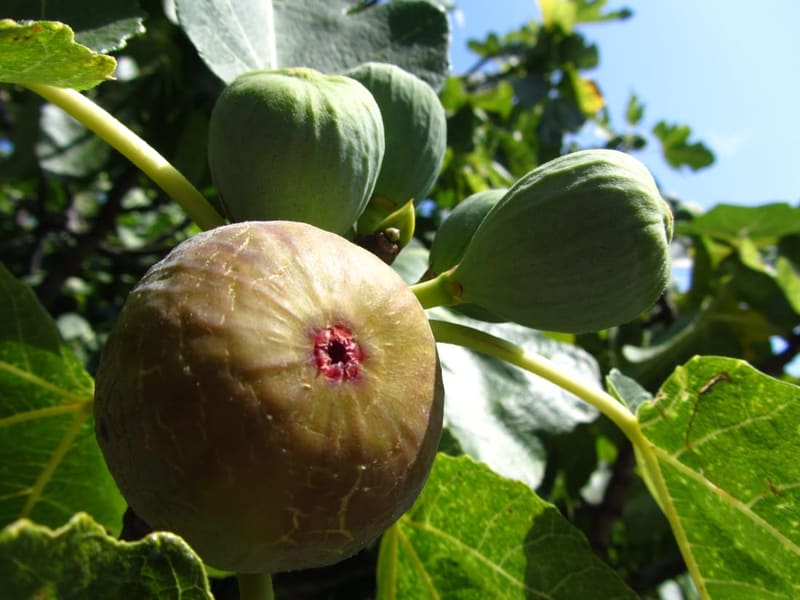
Fig (Container)
A container fig is a rewarding patio or bright-room fruit tree that stays manageable when its roots are confined to a pot. The milky sap in leaves and stems is a pet and skin irritant, but the ripe fruit is the prized edible part.
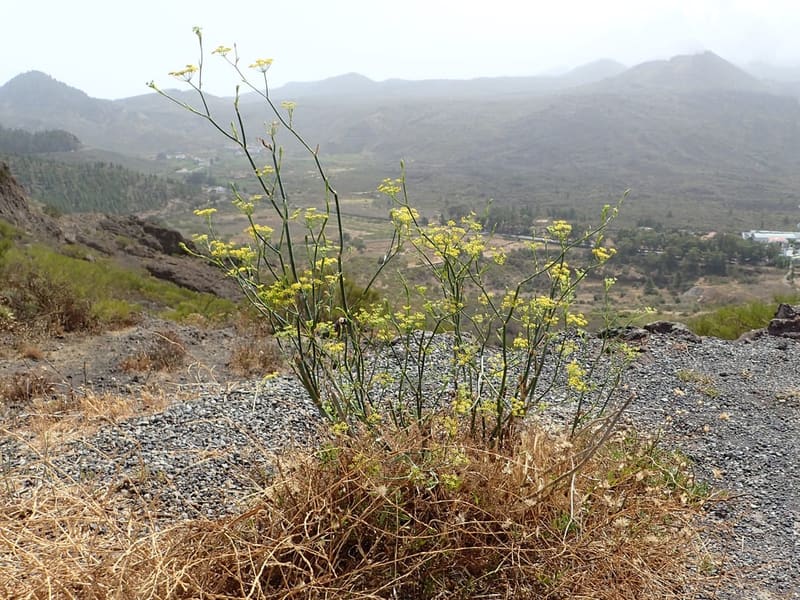
Florence Fennel
Florence fennel is grown for its crisp anise-flavored bulb, with edible stalks and feathery fronds as a bonus. The bulb needs a deep container and steady moisture; many growers find the fronds the easier indoor reward. Give it its own pot — it inhibits nearby crops.
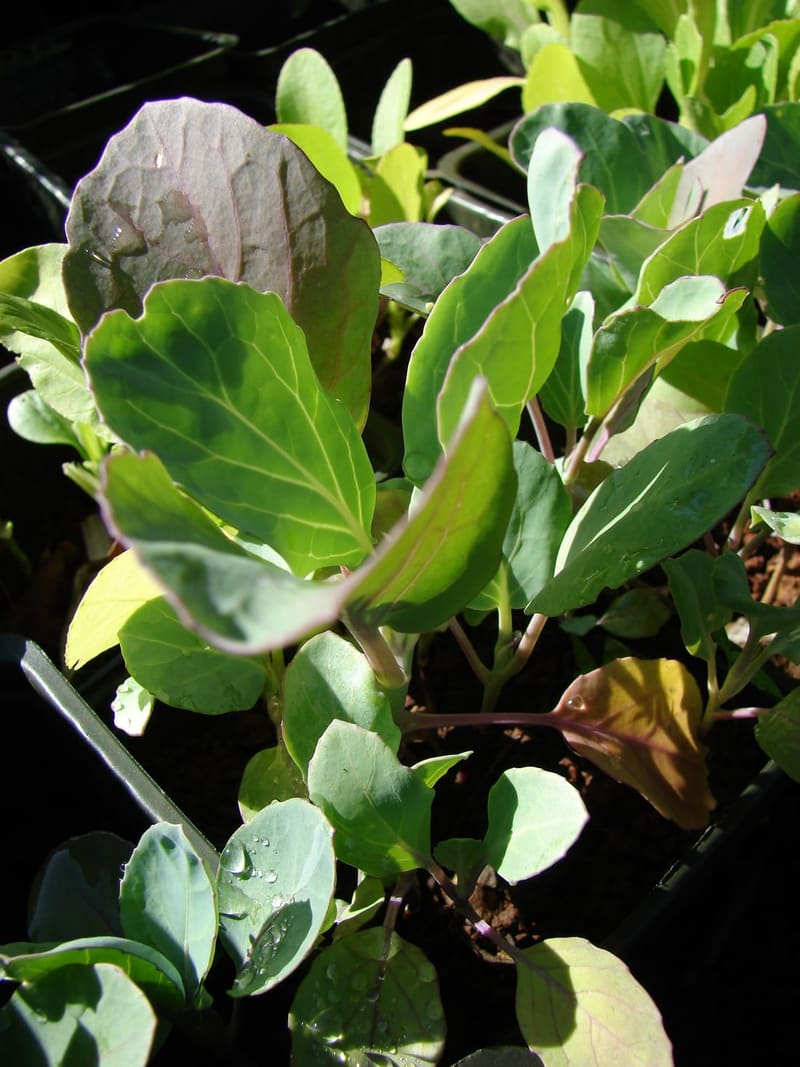
Gai Lan / Chinese Broccoli
Gai lan, or Chinese broccoli, is the Cantonese green eaten with oyster sauce — thick crunchy stems, blue-green leaves, and small buds. It is a fast, cool-season brassica that takes well to a container.
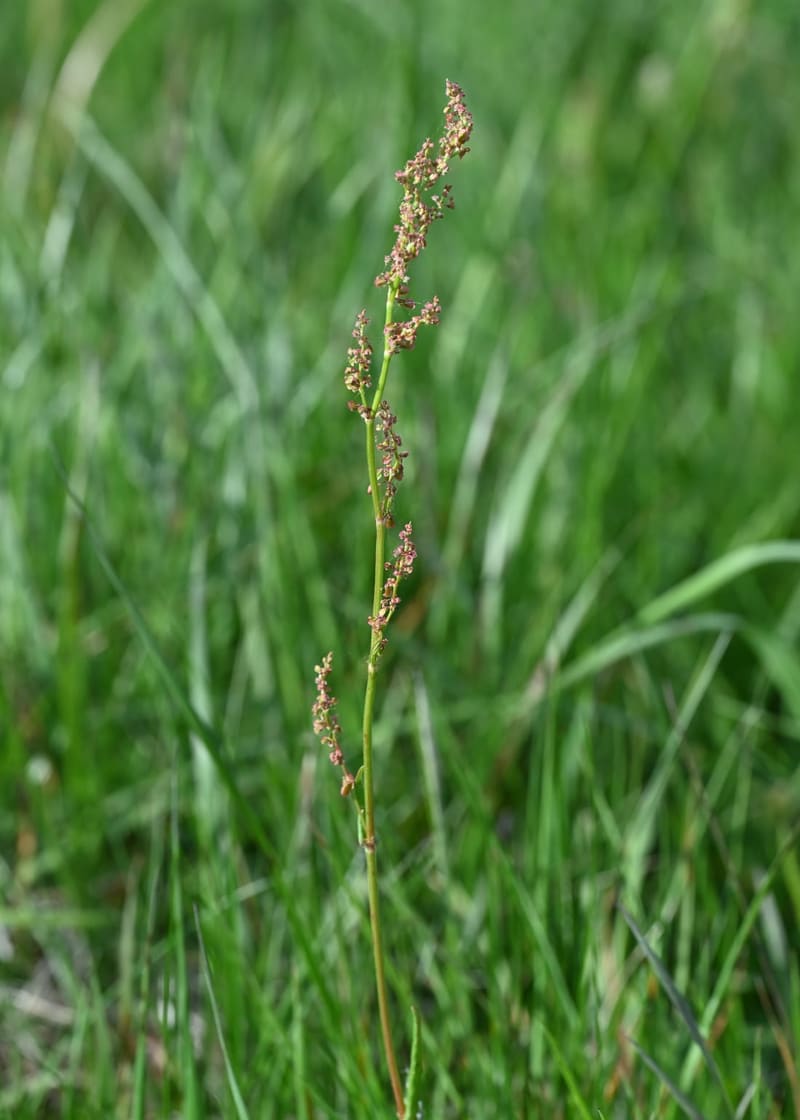
Garden Sorrel
Garden sorrel is an easy perennial green with a sharp, lemony flavor used in soups and salads. It keeps producing leaves for months but is high in oxalates and is toxic to pets.
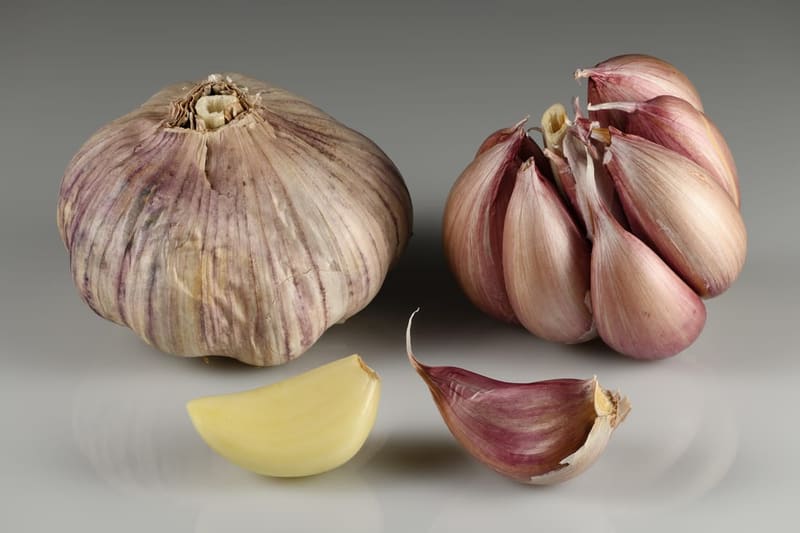
Garlic (Greens / Bulb)
Garlic is easiest indoors grown for its tender green shoots, which sprout fast from a single clove; producing a full bulb is a long-haul project better suited to outdoor beds. The whole onion family is toxic to cats and dogs.
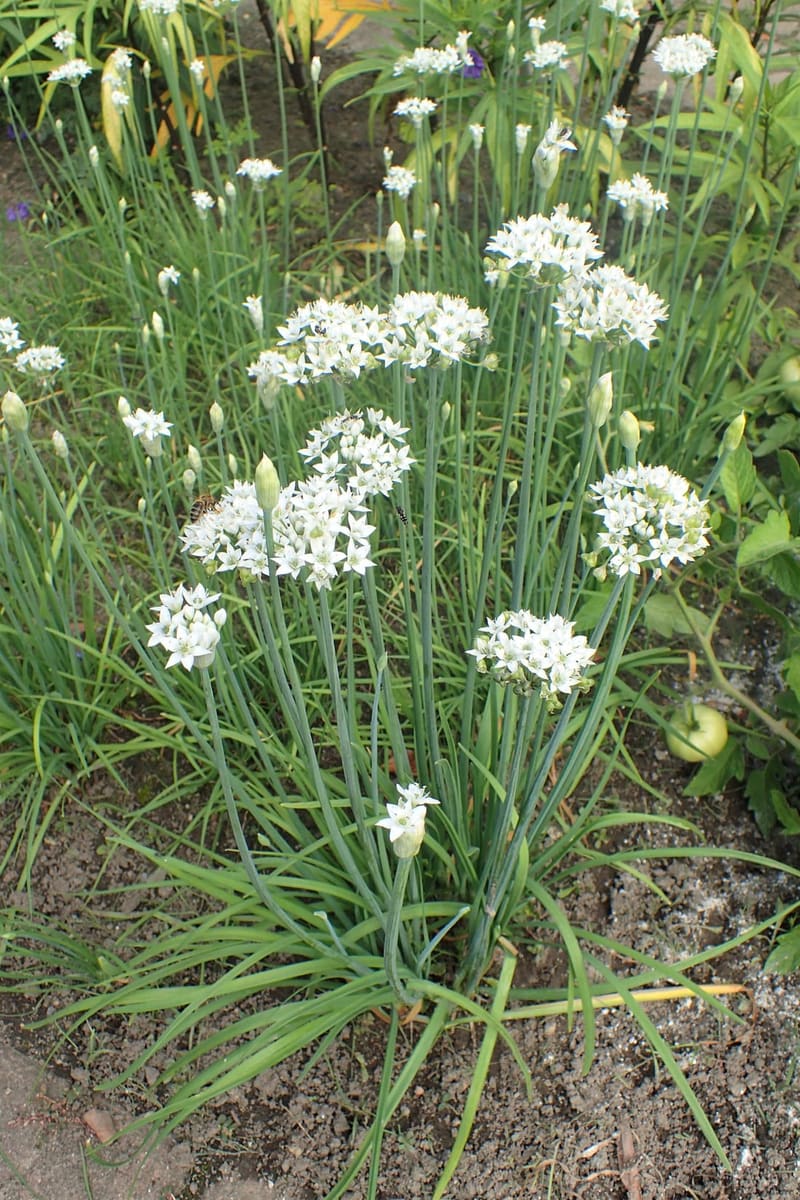
Garlic Chives
Garlic chives (gau choy, nira, buchu) are a staple across China, Korea, Japan, and Vietnam — flat leaves with a mild garlic flavour for dumplings and stir-fries. They are a hardy, cut-and-come-again clump, but toxic to pets like all onions.
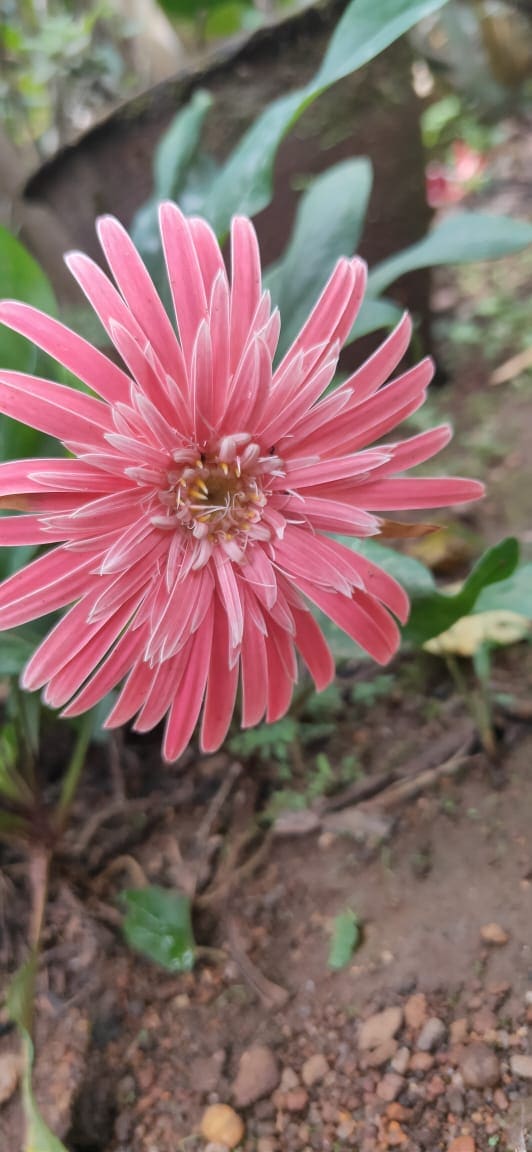
Gerbera Daisy
The gerbera daisy is a cheerful, pet-safe flowering plant with large daisy blooms in bright colours over a low rosette of leaves. It needs strong light to keep flowering and is often grown as a short-term indoor bloomer.
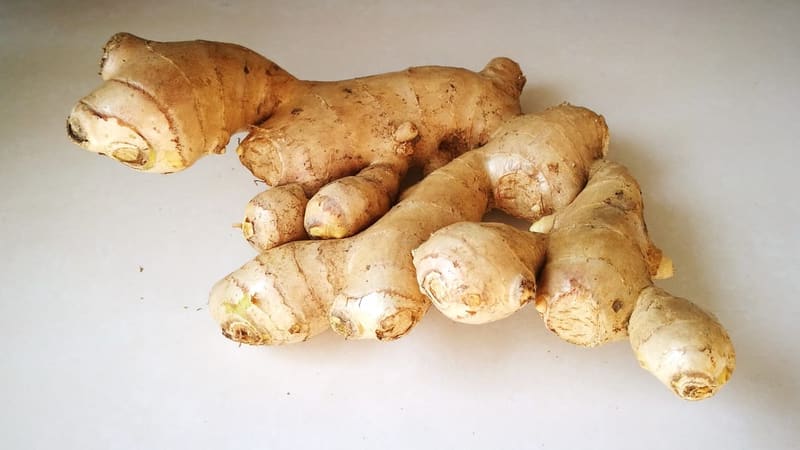
Ginger
Ginger is a slow but genuinely satisfying grow-from-the-store crop: plant a supermarket knob and harvest fresh rhizome months later. It likes warmth, humidity, and only moderate, indirect light.
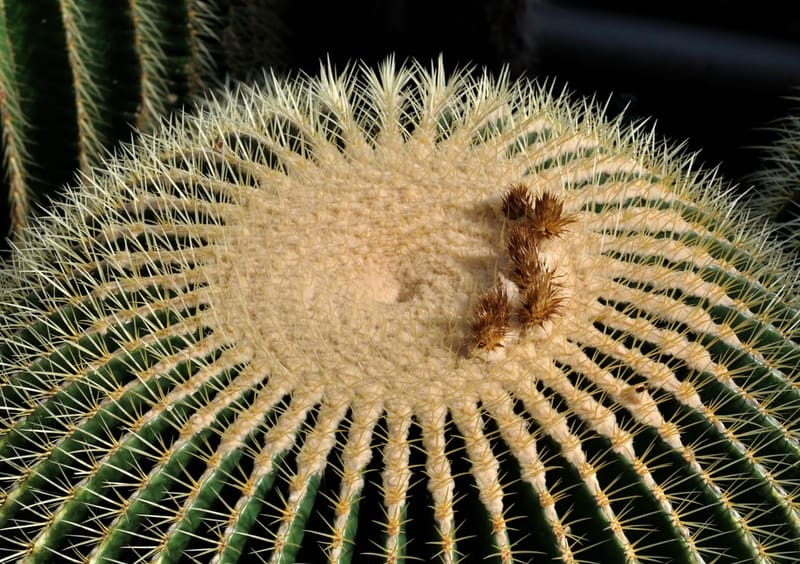
Golden Barrel Cactus
The golden barrel is a classic round, ribbed cactus that asks for bright light and almost no water. It is not chemically toxic, but its stiff spines can injure pets and people.
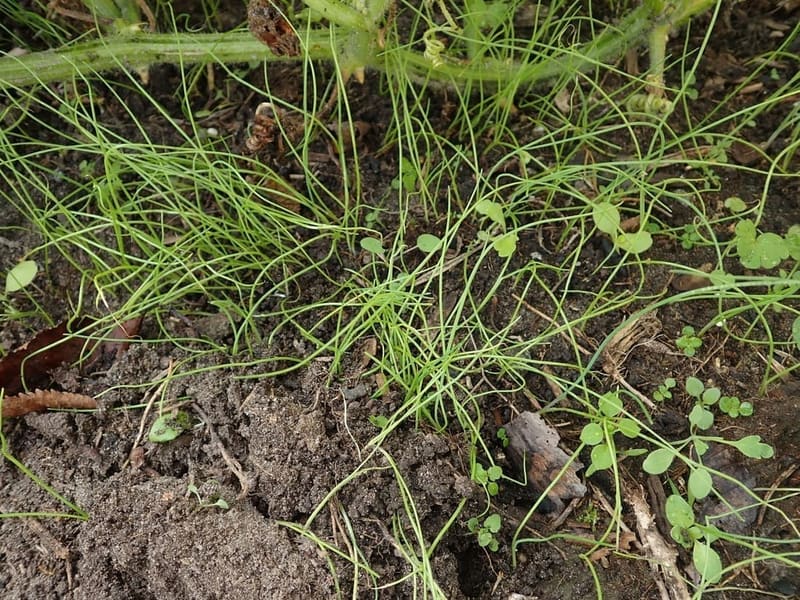
Green Onion / Scallion
Green onions are the classic regrow-from-scraps crop and almost foolproof on a windowsill. Snip what you need and they keep coming back. The onion family is toxic to cats and dogs, so keep them out of reach.
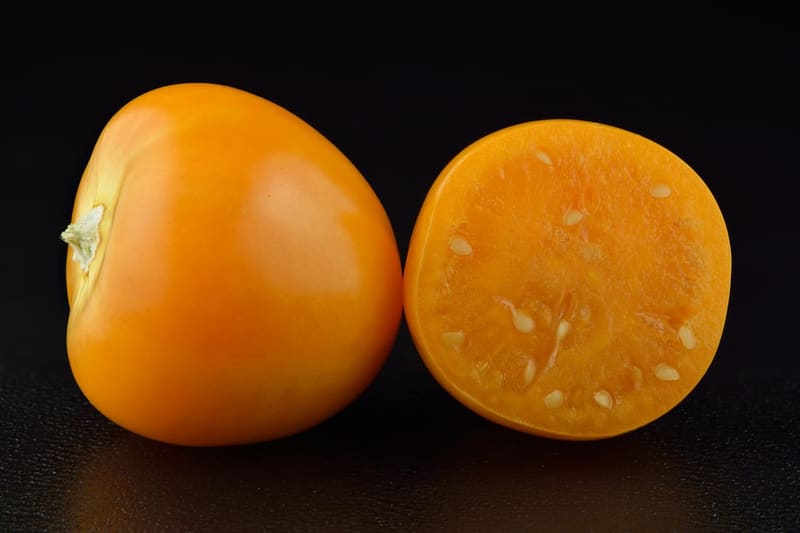
Ground-Cherry / Cape Gooseberry
Ground-cherry is a relative of the tomatillo grown for small golden berries with a sweet, tropical-tart flavor, each wrapped in a papery husk. The plant is easygoing but only the fully ripe fruit (which usually drops to the ground) is safe to eat.
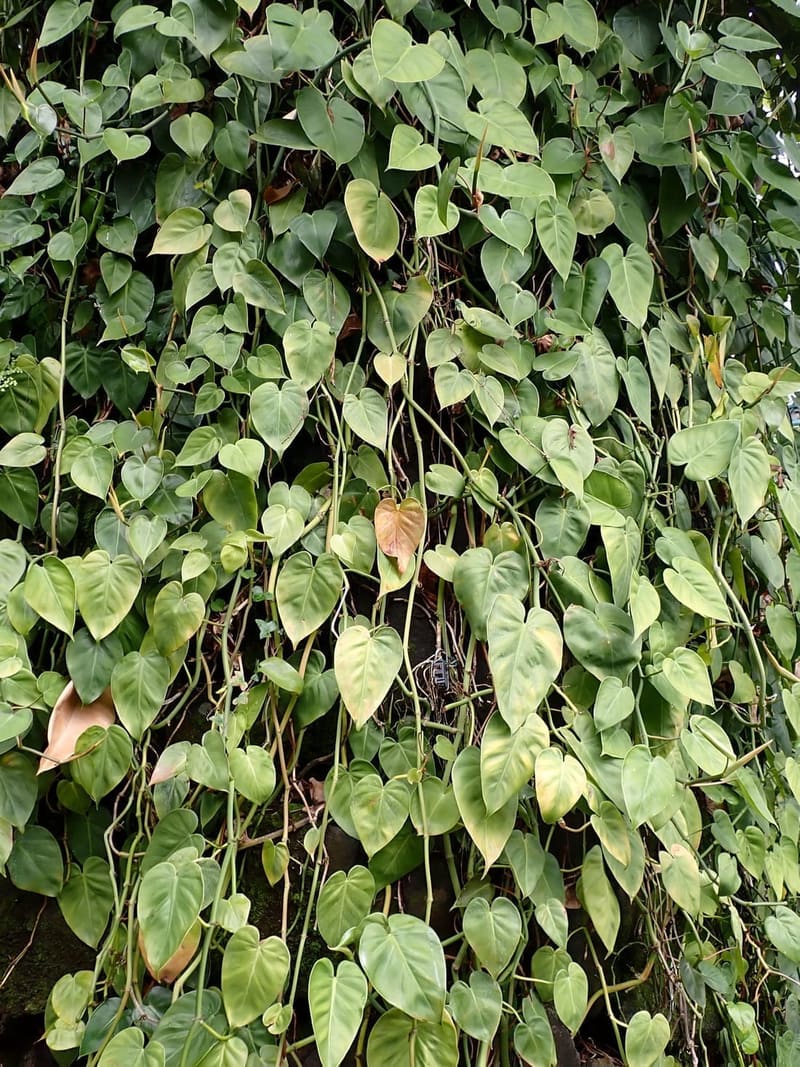
Heartleaf Philodendron
Heartleaf philodendron is a forgiving trailing vine that tolerates low light and looks similar to pothos. It is toxic to cats and dogs if chewed.
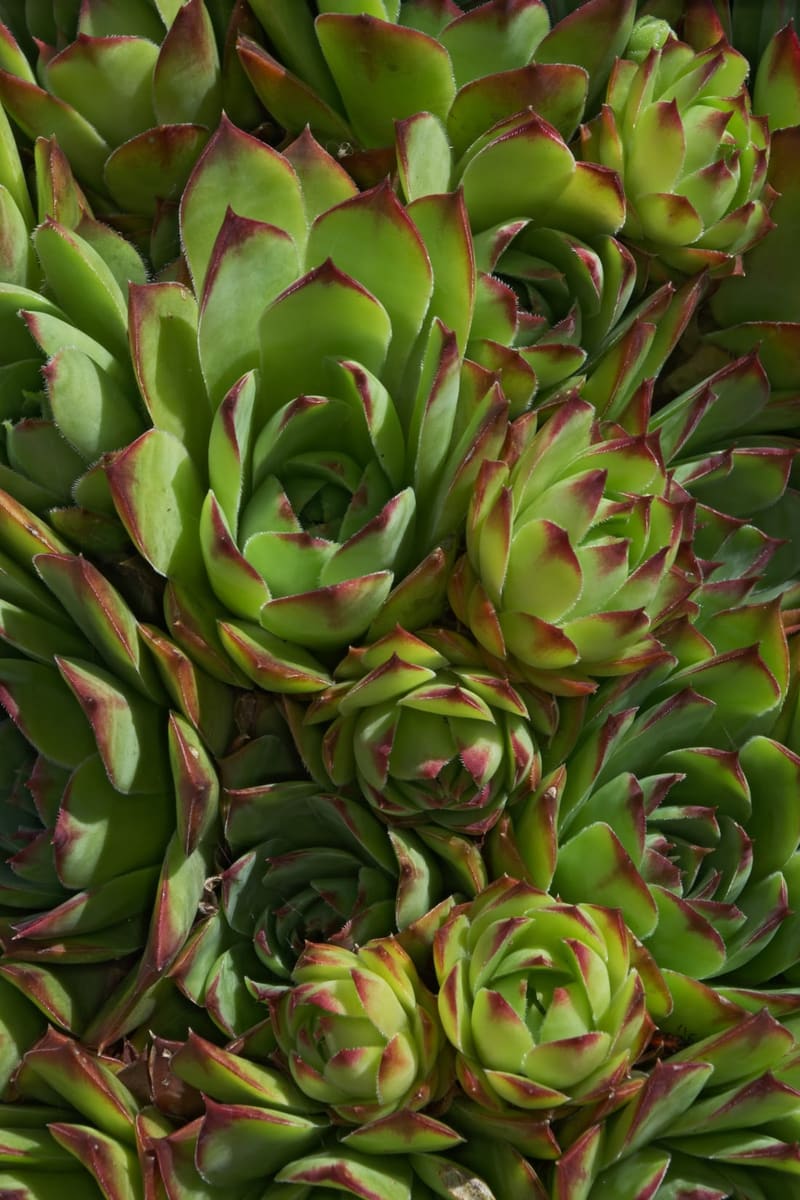
Hens and Chicks
Hens and chicks is a hardy rosette succulent that clusters into a "hen" surrounded by offset "chicks." It is generally considered pet-safe and tolerates a lot of neglect.
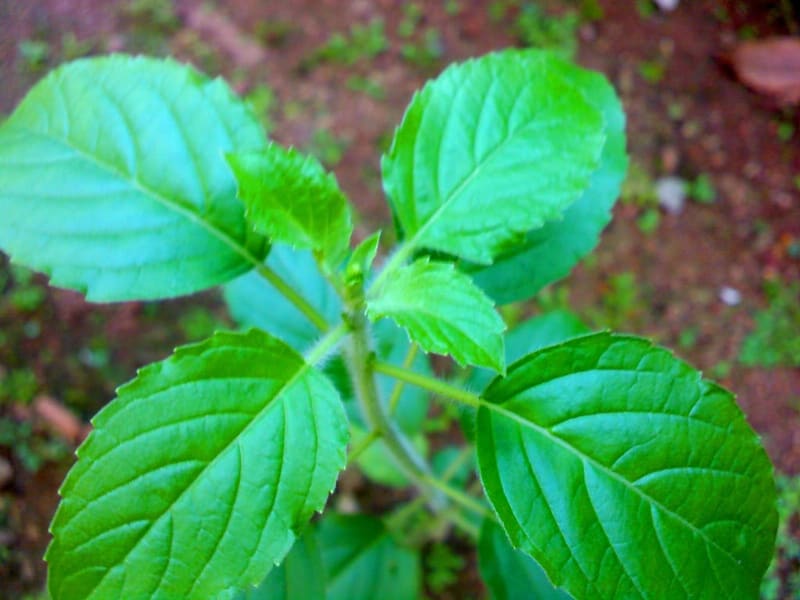
Holy Basil / Tulsi
Holy basil, or tulsi, is the sacred and everyday plant of South Asia, and the same species is the holy basil of Thai stir-fries. It grows like sweet basil — warmth and bright light — and is non-toxic to pets.
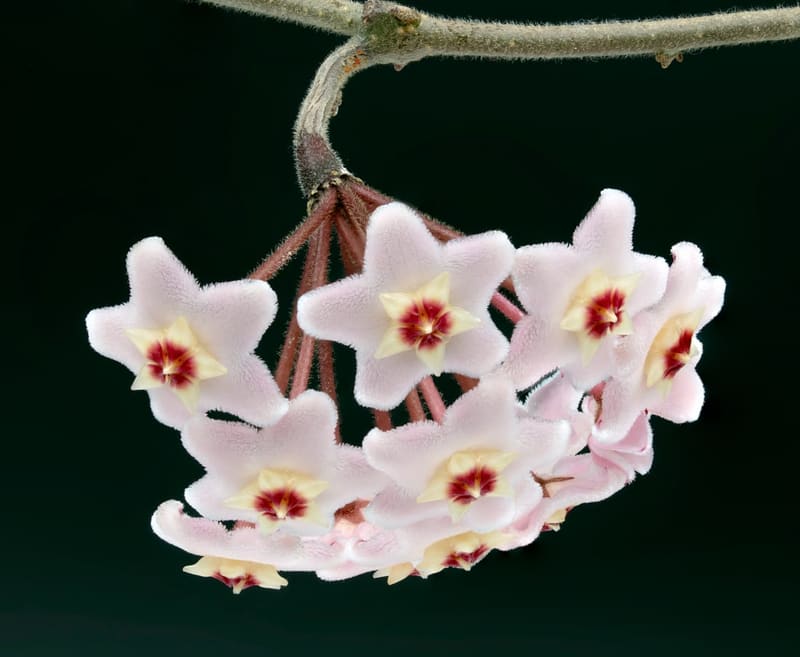
Hoya (Wax Plant)
The wax plant is an easy, long-lived trailing vine with thick waxy leaves and clusters of star-shaped scented flowers. It is generally considered pet-safe.
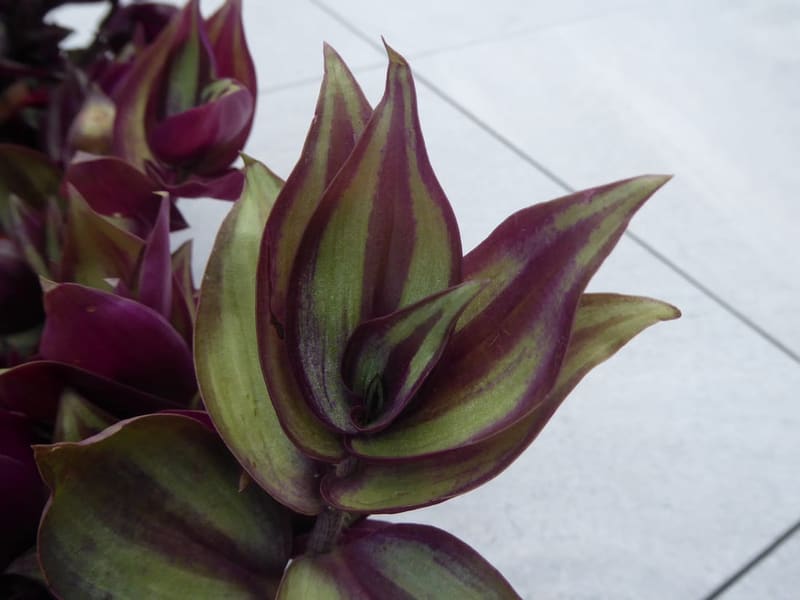
Inch Plant (Wandering Dude)
The inch plant is a fast, easy trailing plant with striped purple-and-silver leaves that roots from almost any cutting. Note that its sap can irritate the skin of pets and people.
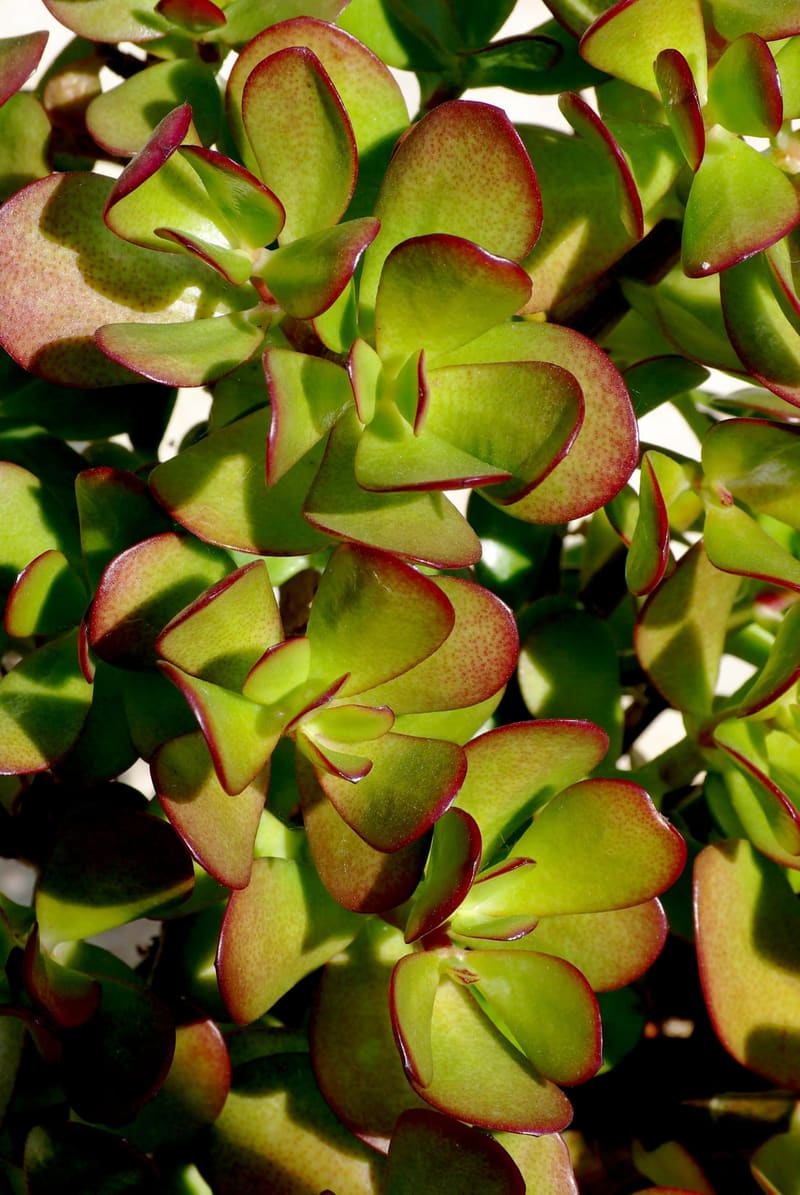
Jade Plant
The jade plant is a long-lived, tree-like succulent that stores water in its plump leaves and needs little fuss. It is toxic to pets if chewed.
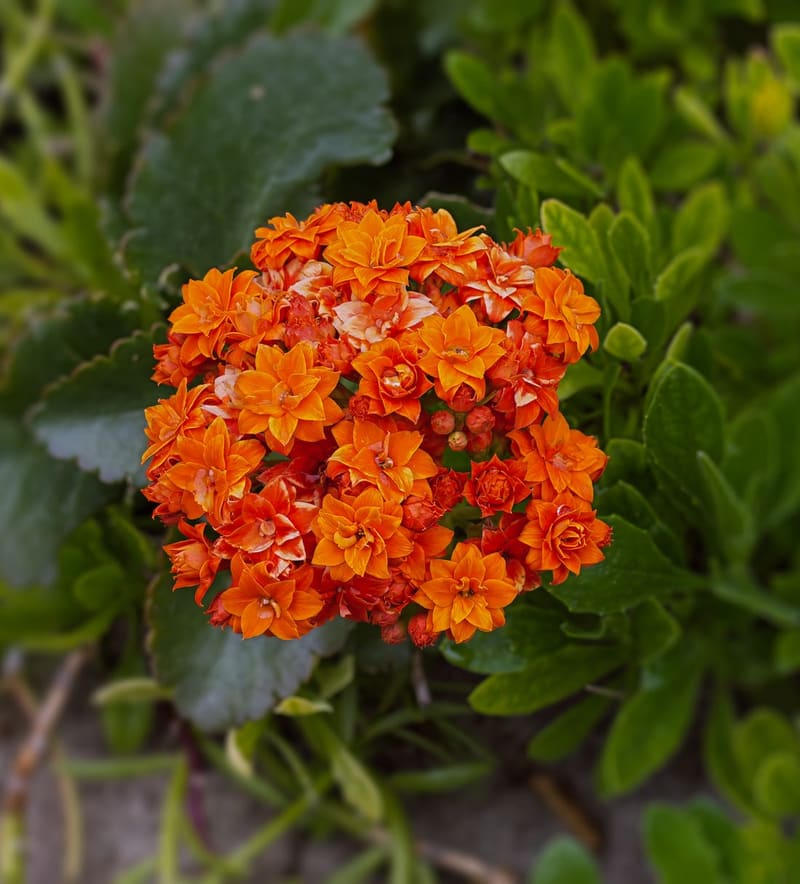
Kalanchoe (Florist Kalanchoe)
Florist kalanchoe is an easy succulent grown for its long-lasting clusters of small bright flowers. It is toxic to cats and dogs if chewed.
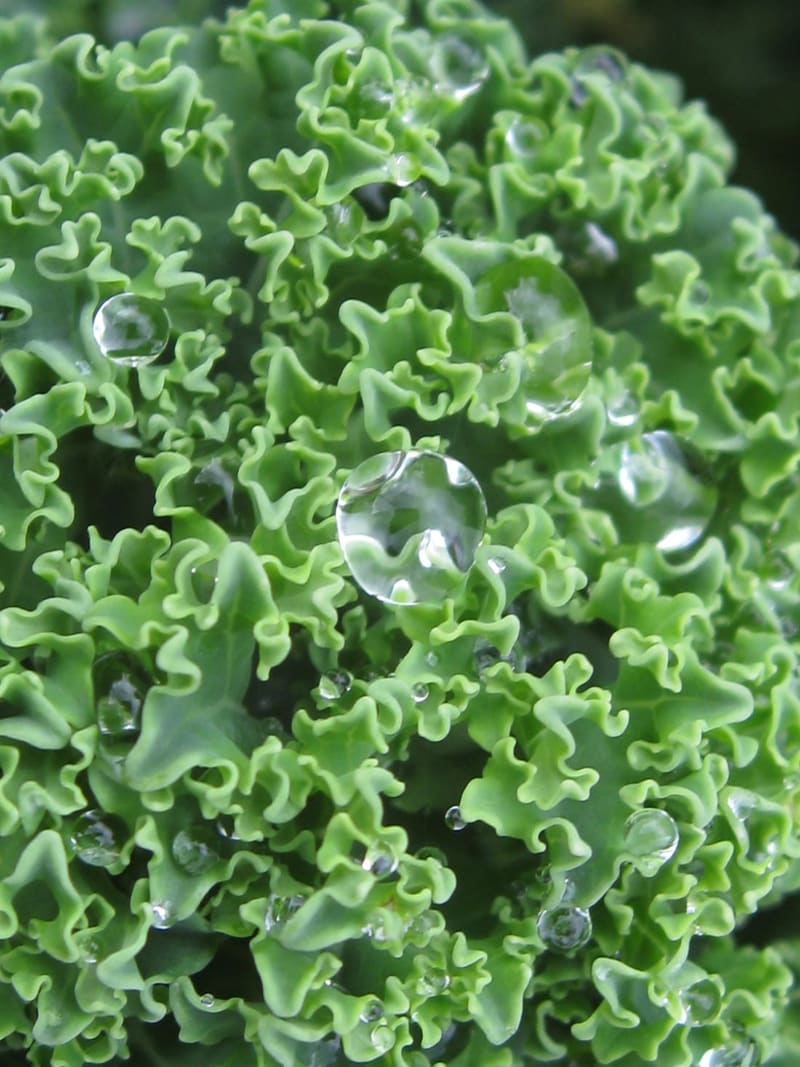
Kale (Curly)
Kale is one of the toughest, most productive greens and keeps giving leaves over a long season. Pick from the bottom and let the top keep growing.
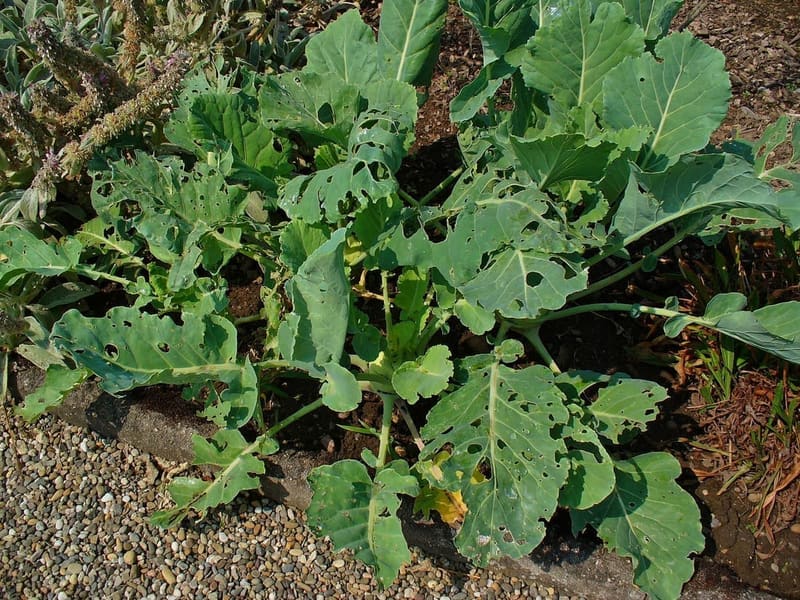
Kohlrabi
Kohlrabi forms a crisp, mild swollen stem just above the soil and grows quickly for a brassica. Both the bulb and the leaves are edible.
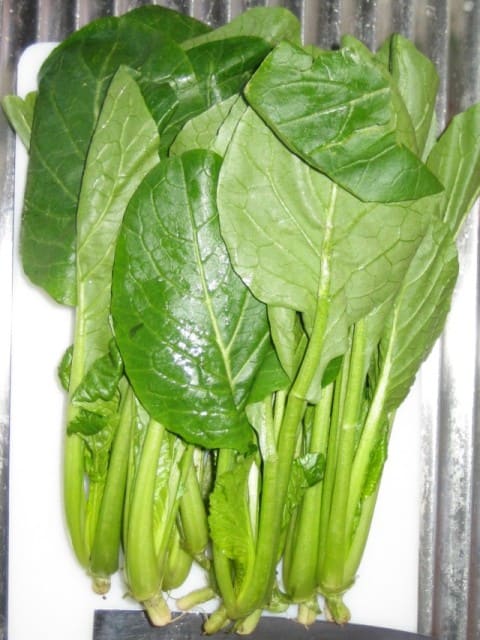
Komatsuna (Mustard Spinach)
Komatsuna is a fast, forgiving Asian green with a mild flavor between mustard and spinach, usable raw young or cooked when larger. It tolerates a wide range of conditions and is more heat- and cold-tolerant than many greens.
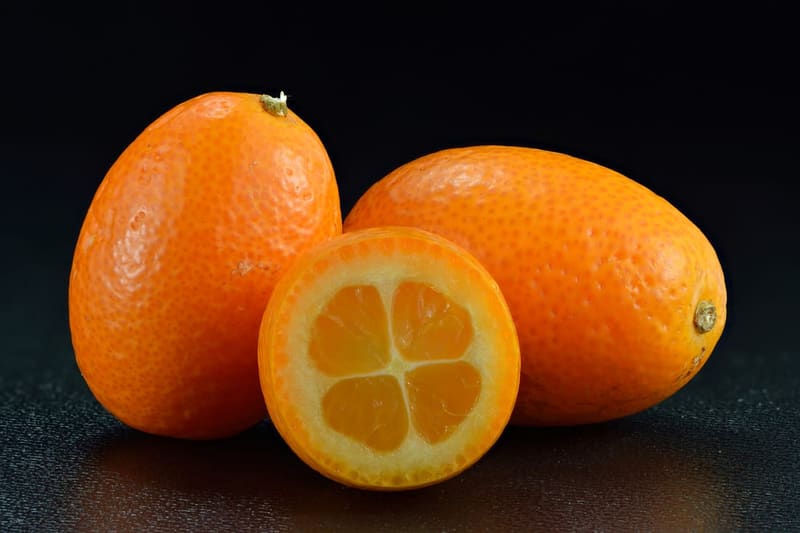
Kumquat
Kumquats are among the most container-friendly citrus, with small, sweet-skinned fruits eaten whole. Like all citrus, the tree is slow and the foliage and peel oils are toxic to pets.
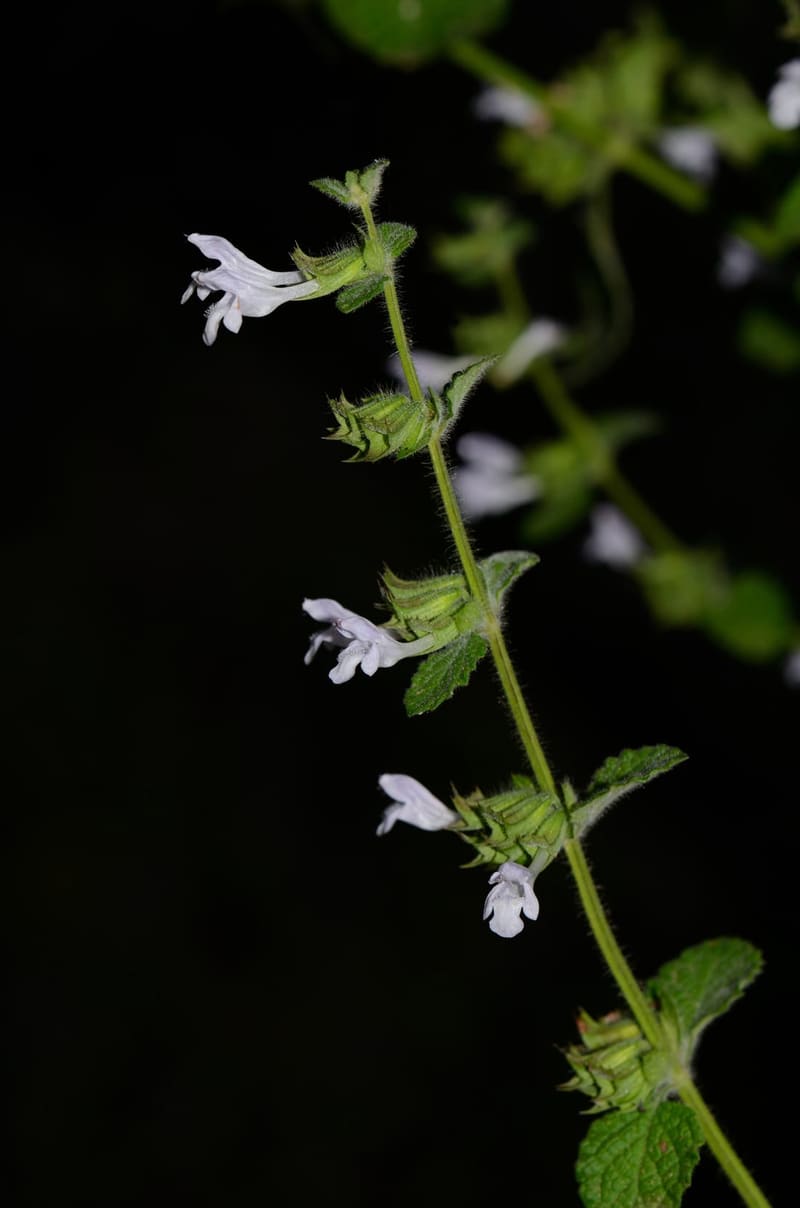
Lemon Balm
Lemon balm is an easy, forgiving mint relative grown for its lemon-scented leaves used in teas and cooking. Like mint it can spread, so keep it in its own pot.
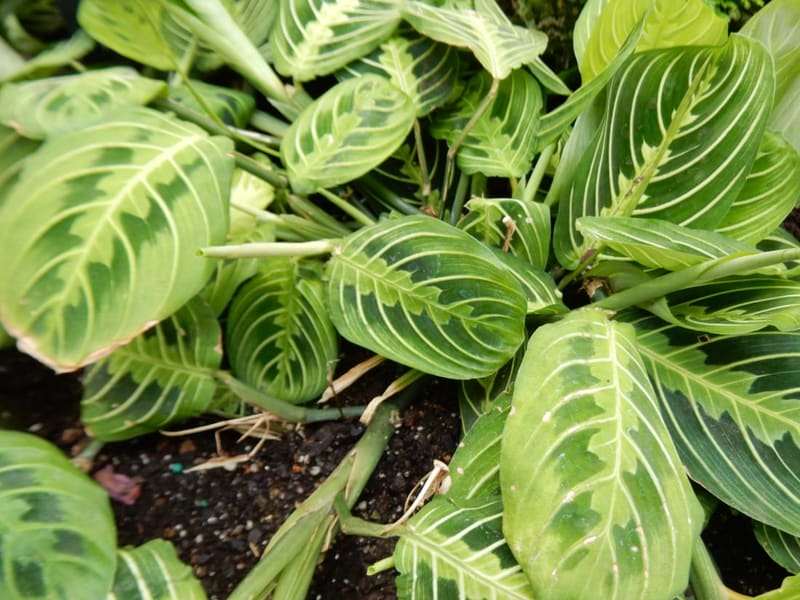
Lemon Lime Prayer Plant
The lemon-lime prayer plant is the classic green Maranta — bright veining on soft leaves that fold together at night like hands in prayer. It is pet-safe and trails nicely from a shelf, though like its relatives it wants humidity and soft water.
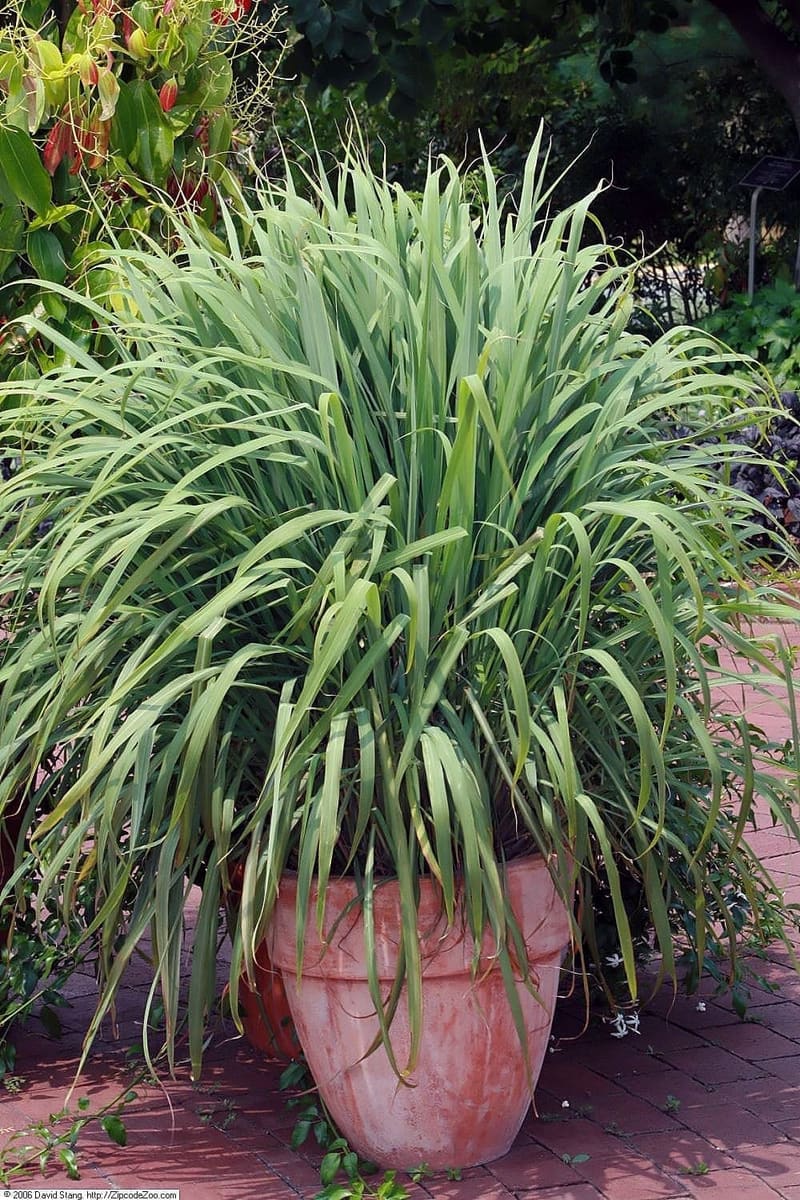
Lemongrass
Lemongrass is a tropical grass grown for its lemony lower stalks used in Southeast Asian cooking. It is easy to regrow from a grocery stalk but needs warmth, a big pot, and steady moisture. It is toxic to pets.
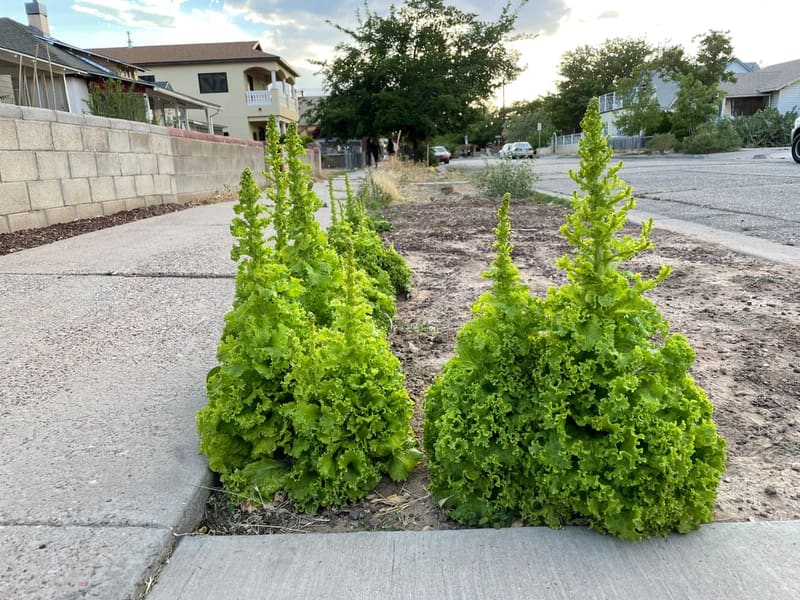
Lettuce (Loose-leaf)
Loose-leaf lettuce is one of the fastest and easiest indoor crops and tolerates modest light. Pick outer leaves and the plant keeps making more.
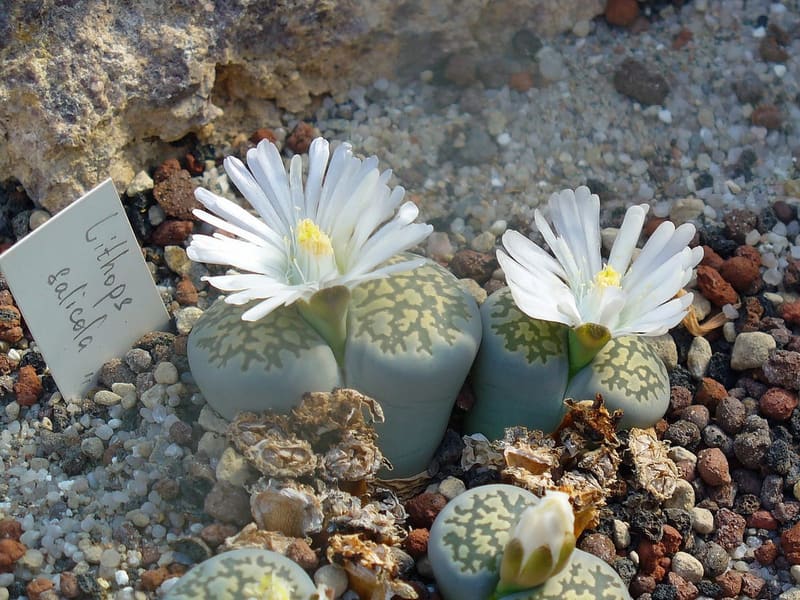
Living Stones (Lithops)
Lithops are tiny stone-mimic succulents that look like a pair of pebbles and store nearly all their water internally. They are generally pet-safe but demanding about a strict dry/wet cycle, so they suit patient growers.
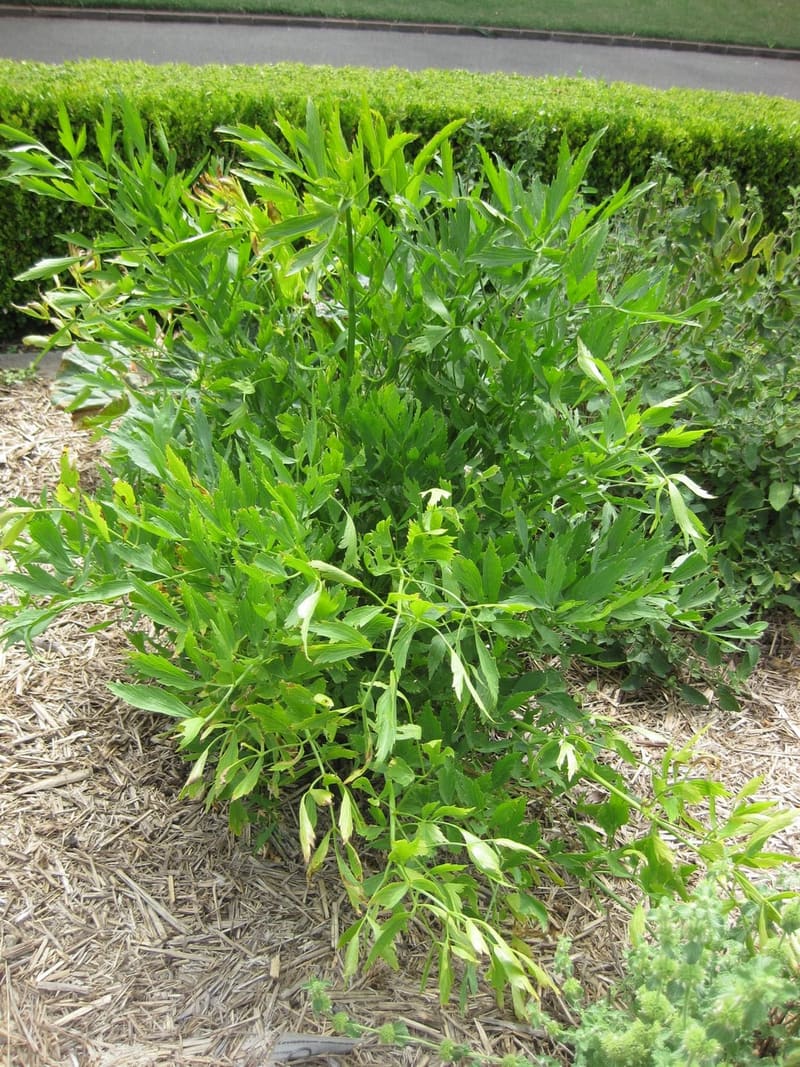
Lovage
Lovage is a vigorous perennial herb whose leaves, stems, and seeds all taste intensely of celery, so a small amount flavors a large dish. It can grow tall and wants a deep pot, and note it is mildly toxic to pets.
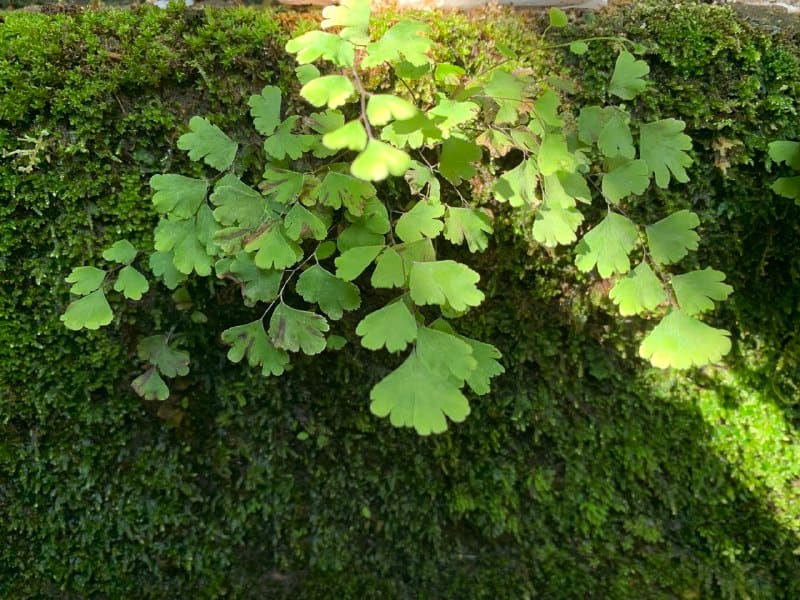
Maidenhair Fern
The maidenhair fern is a delicate fern with fine, fan-shaped leaflets on wiry black stems. It is pet-safe but unforgiving about drying out, so it suits growers who can keep it consistently moist and humid.
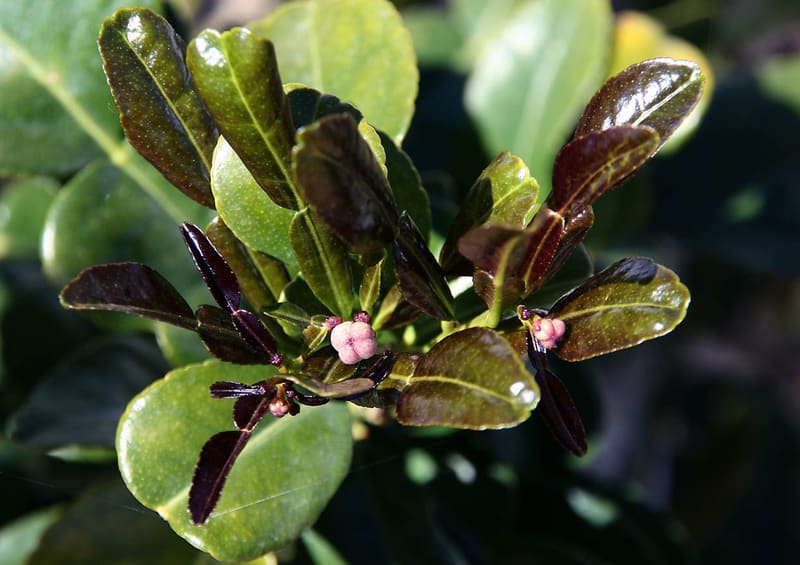
Makrut Lime
Makrut lime is grown for its fragrant double leaves, essential to Thai, Lao, Cambodian, and Indonesian curries and soups in a way nothing else replaces. It does well in a pot but is sun-hungry and frost-tender, so it needs your brightest spot.
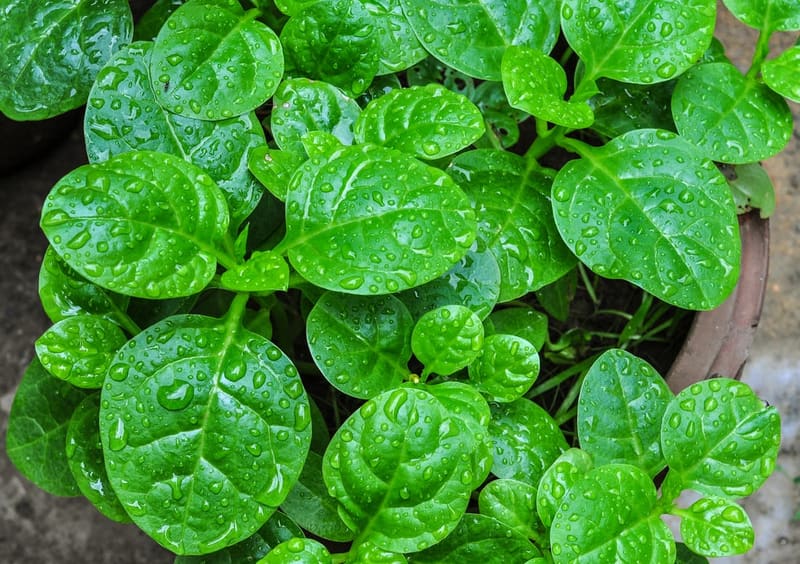
Malabar Spinach
Malabar spinach is a tropical climbing vine grown for its thick, mild, slightly mucilaginous leaves used like spinach in stir-fries and soups. Unlike true spinach it loves heat and keeps producing through summer, but it needs support and warmth.
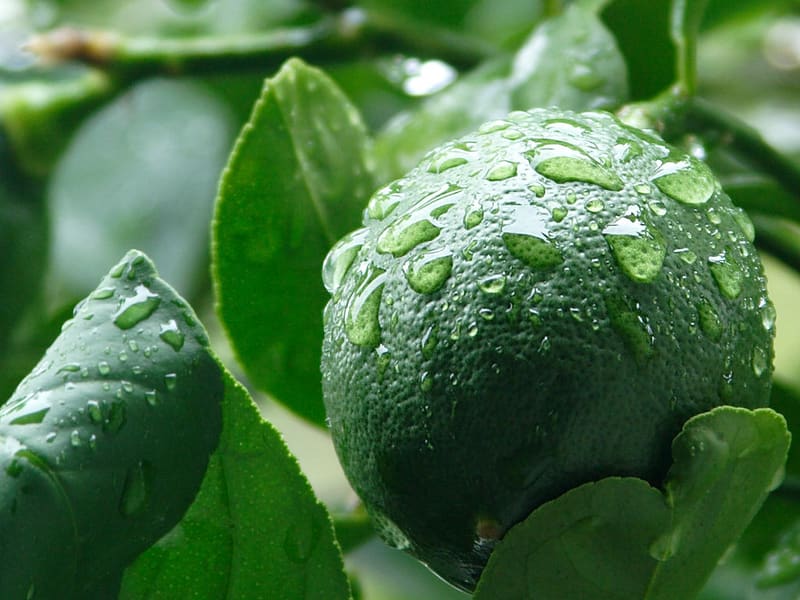
Meyer Lemon (Dwarf)
The Meyer lemon is the classic indoor citrus — a naturally compact, sweeter-skinned lemon that fruits in a large pot by a bright window. Expect patience: flowers to ripe fruit can take many months, and the foliage is toxic to pets.
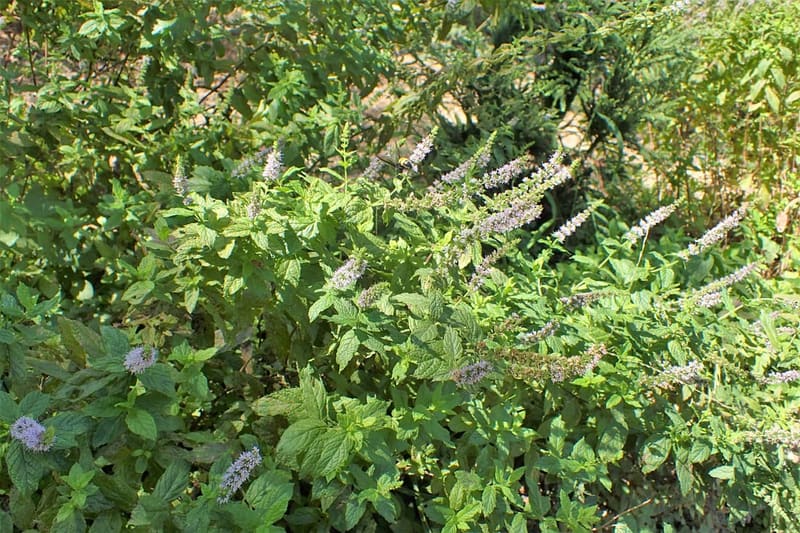
Mint (Spearmint)
Mint is nearly unkillable and tolerates lower light than most herbs, but it spreads aggressively so keep it in its own pot. Note it is mildly toxic to pets.
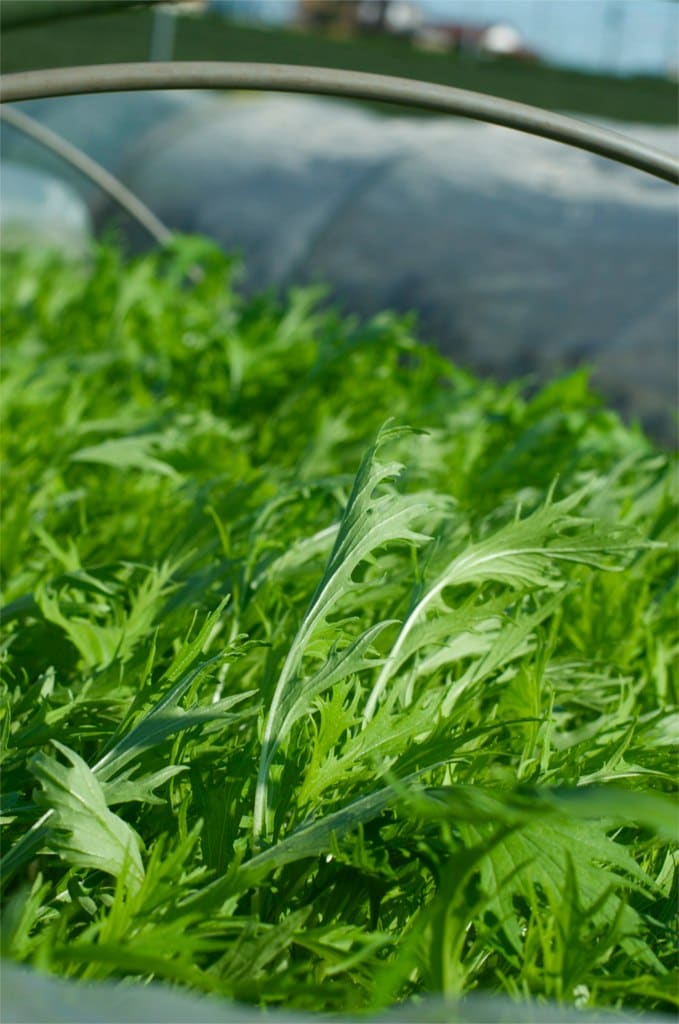
Mizuna (Japanese Mustard Green)
Mizuna is a fast Japanese mustard green with feathery leaves and a mild peppery bite, ideal for salads. It is one of the quicker indoor greens and regrows well after cutting.
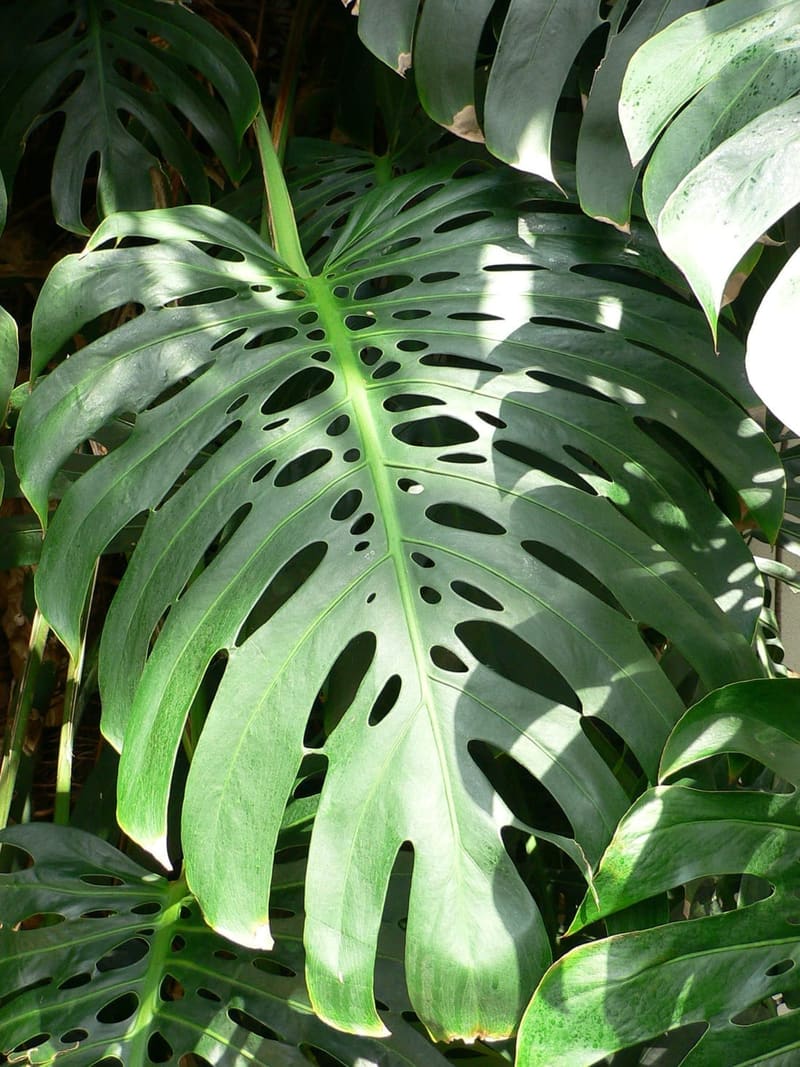
Monstera (Swiss Cheese Plant)
Monstera is a forgiving, fast-growing climber whose split leaves make it a popular statement plant. Note that it is toxic to cats and dogs if chewed.
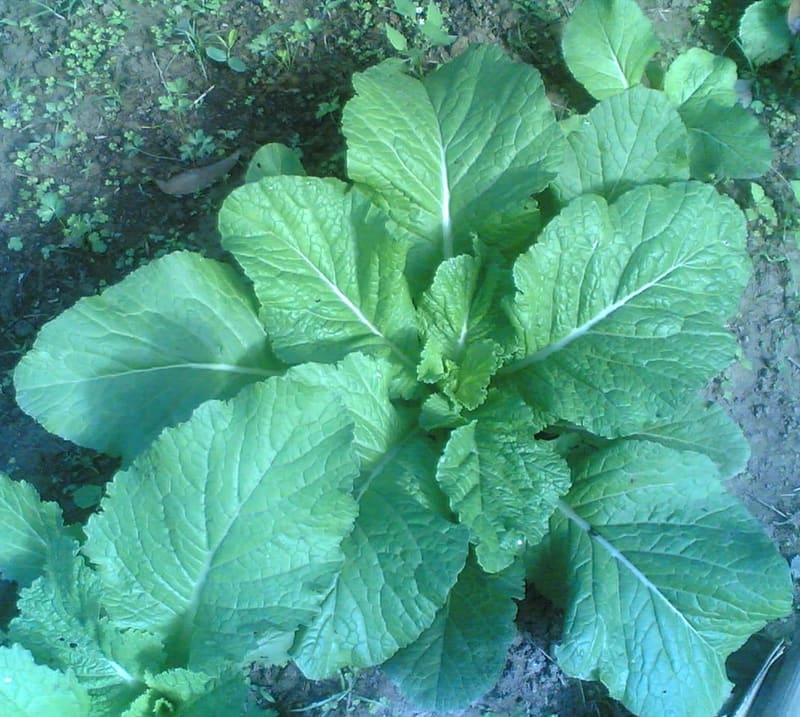
Mustard Greens
Mustard greens are a fast, spicy leafy crop that grows much like arugula and adds a peppery kick. Harvest young leaves for milder flavor and the plant resprouts for more.
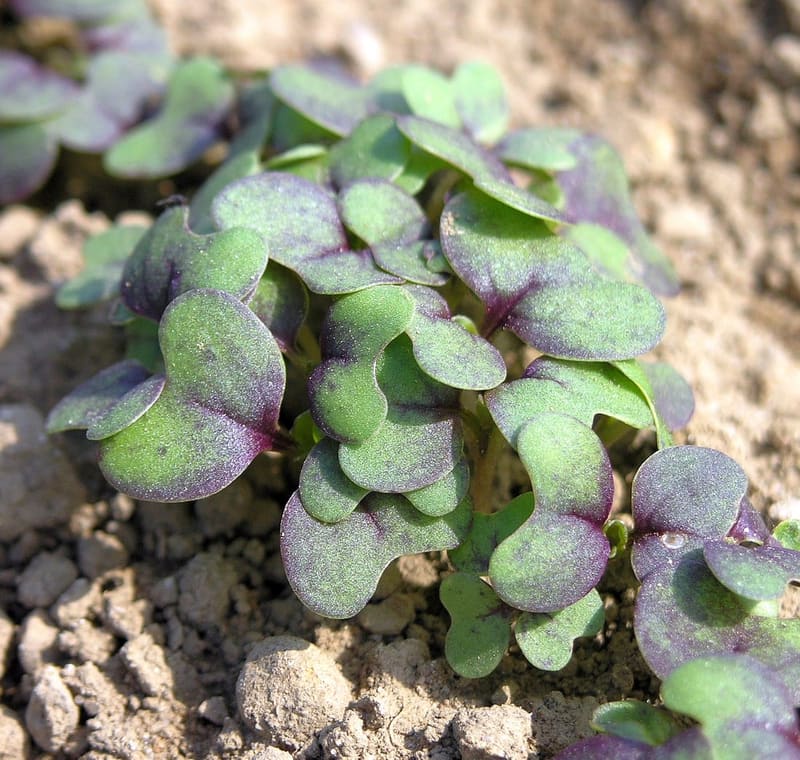
Mustard Microgreens
Mustard microgreens bring a sharp, spicy kick that the milder brassica trays do not, and they are just as fast and easy. Sow thickly, give a little light, and cut at the seedling stage in a week or two.
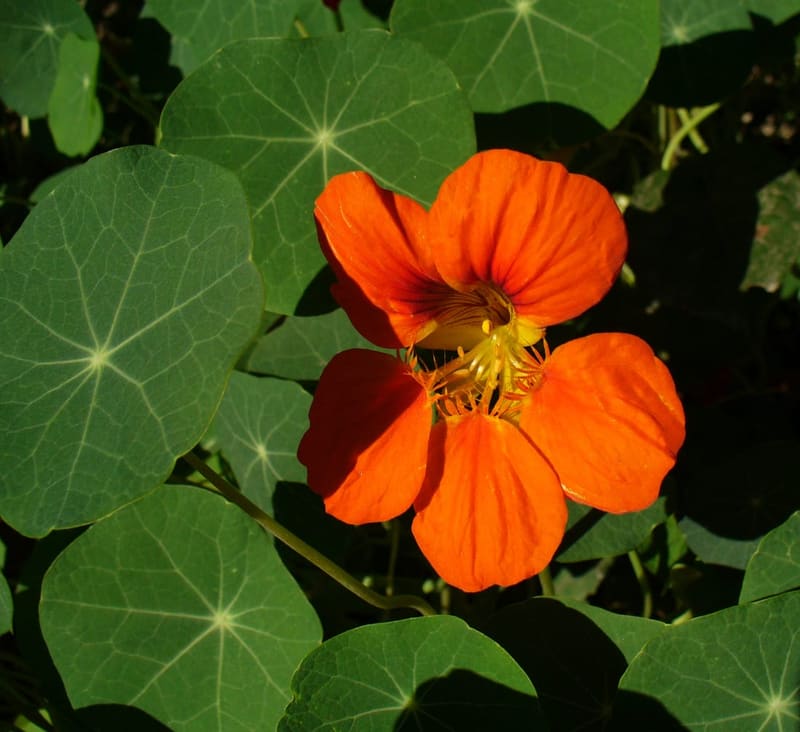
Nasturtium
Nasturtium is an easy edible flower whose round leaves and brightly colored blooms both have a peppery, watercress-like bite good in salads. It thrives on neglect and lean soil; rich soil gives lots of leaves but few flowers.
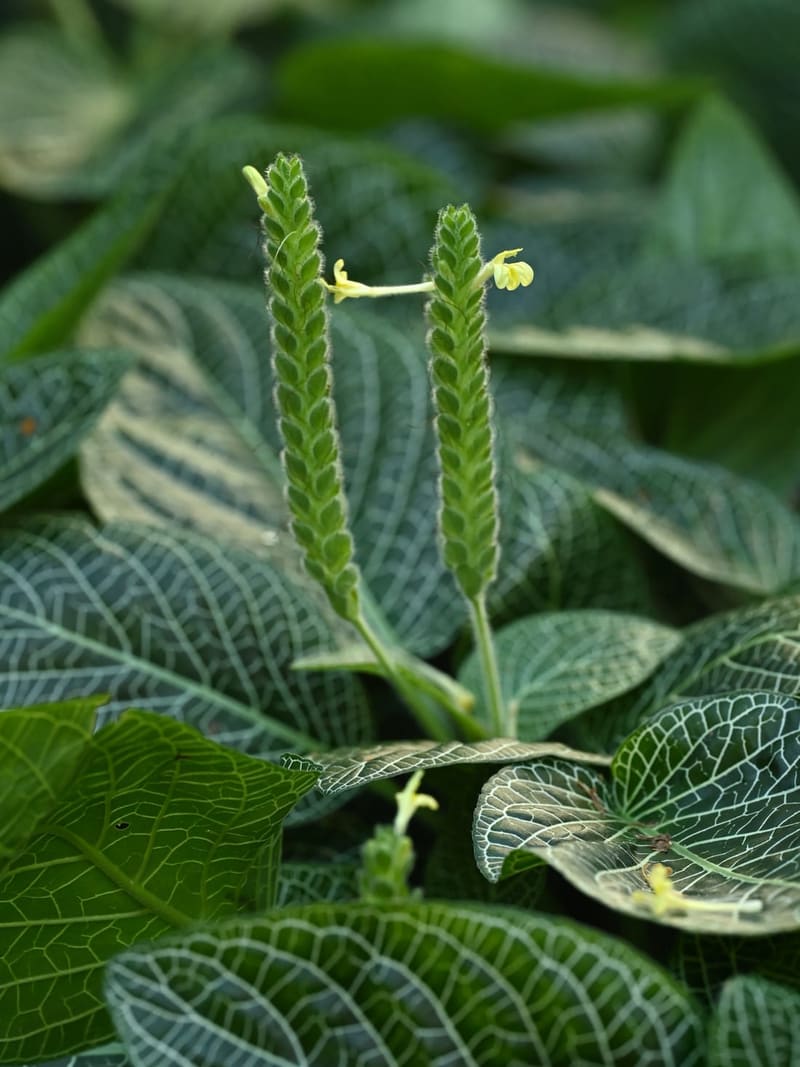
Nerve Plant (Fittonia)
The nerve plant is a compact, pet-safe foliage plant with brightly veined leaves in white, pink, or red. It is thirsty and dramatic about drying out, which makes it well suited to terrariums.

Norfolk Island Pine
The Norfolk Island pine is a pet-safe, soft-needled conifer often sold as a living tabletop tree, and it keeps a tidy tiered shape indoors. It needs bright light and steady humidity to avoid dropping branches.
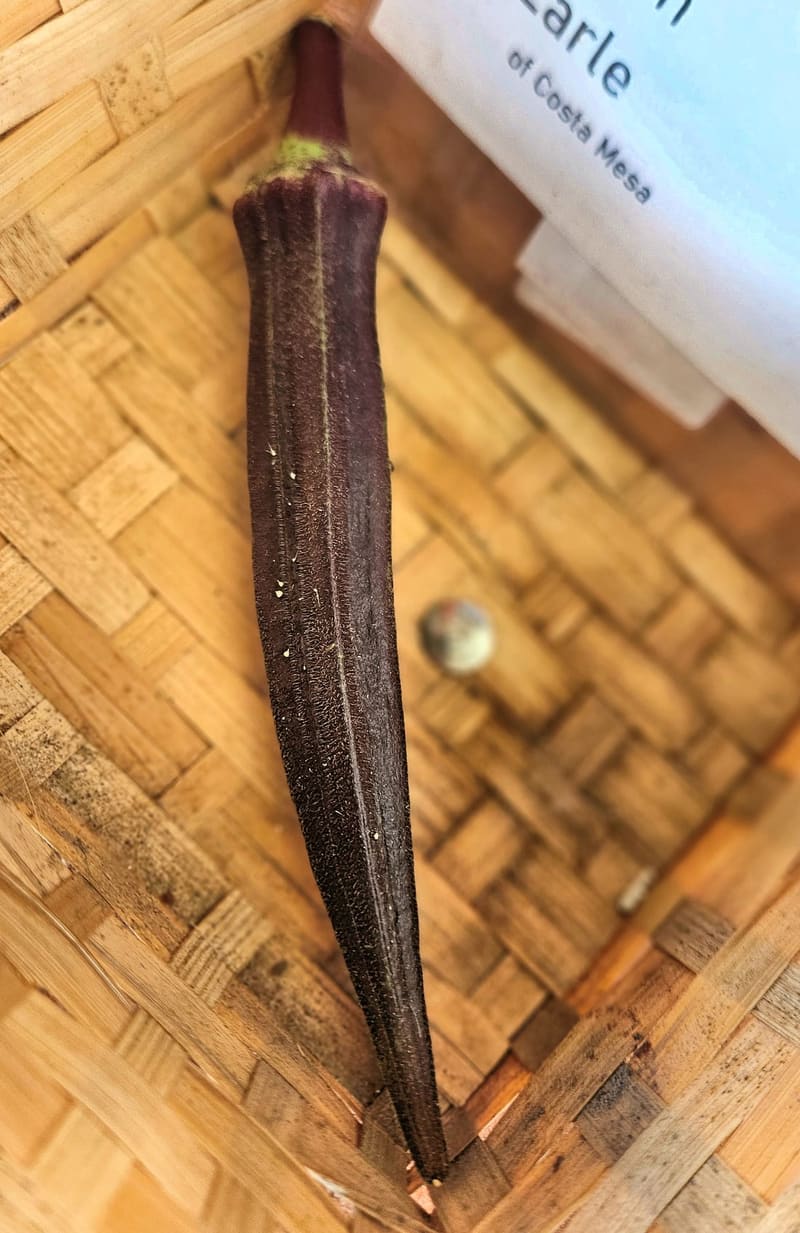
Okra
Okra is a warmth-loving relative of hibiscus grown for its tender immature pods, with attractive flowers as a bonus. It needs real heat and strong light to crop well indoors.
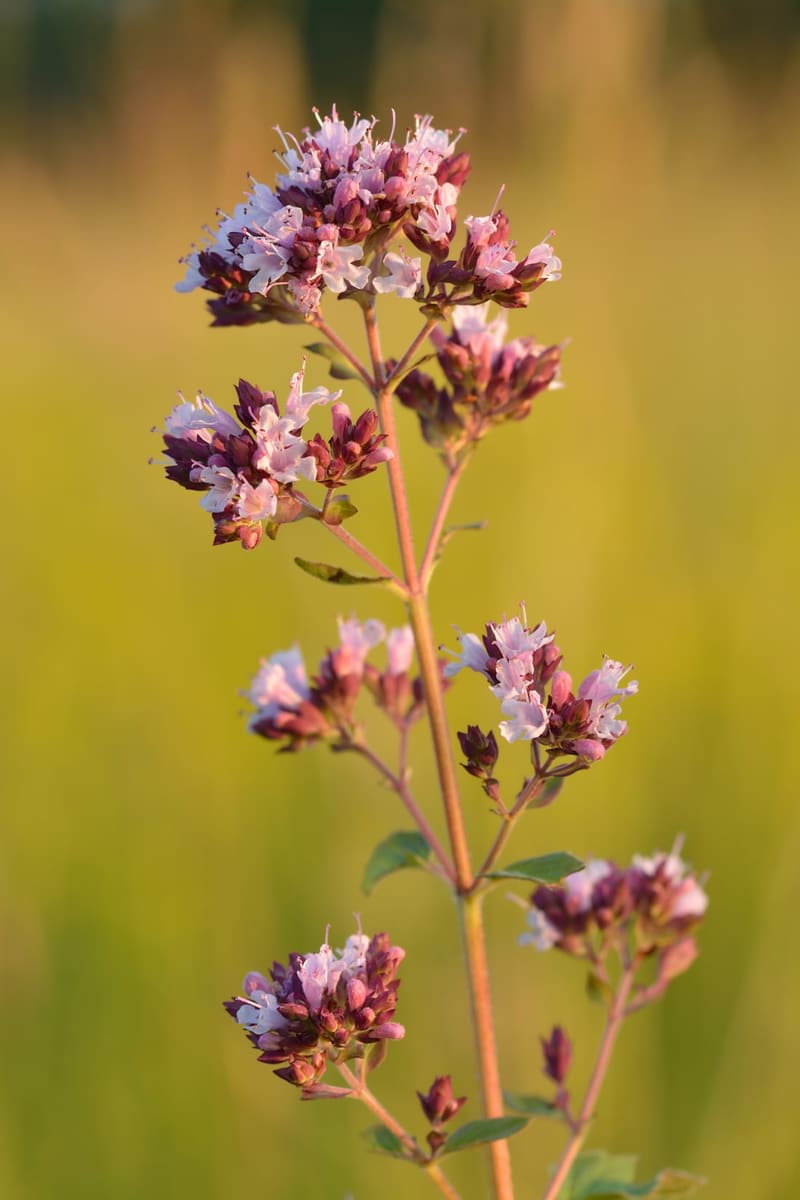
Oregano
Oregano is an easy, productive Mediterranean herb that likes bright light and lean, well-drained soil. Note it is listed as toxic to pets, so keep it where animals can’t graze on it.
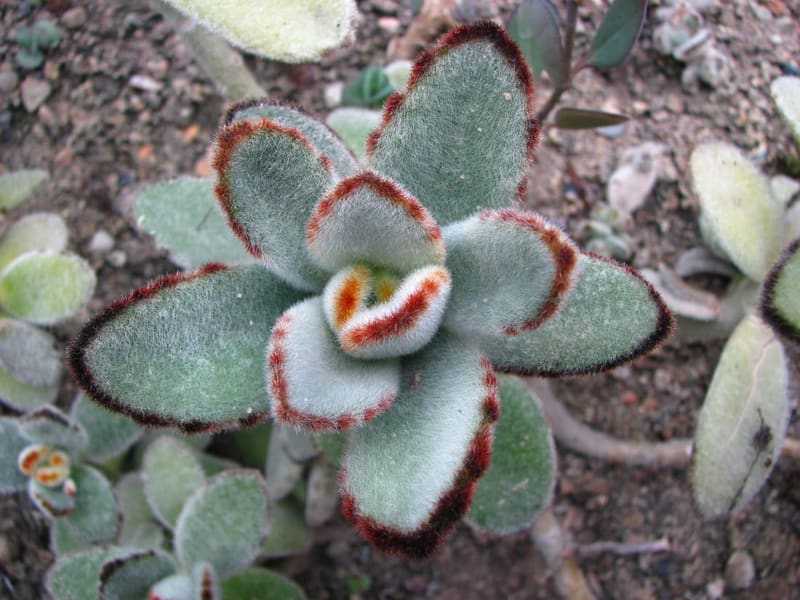
Panda Plant
The panda plant is a fuzzy succulent with felted silver leaves edged in brown "stitches." As a Kalanchoe, it is toxic to cats and dogs if chewed.
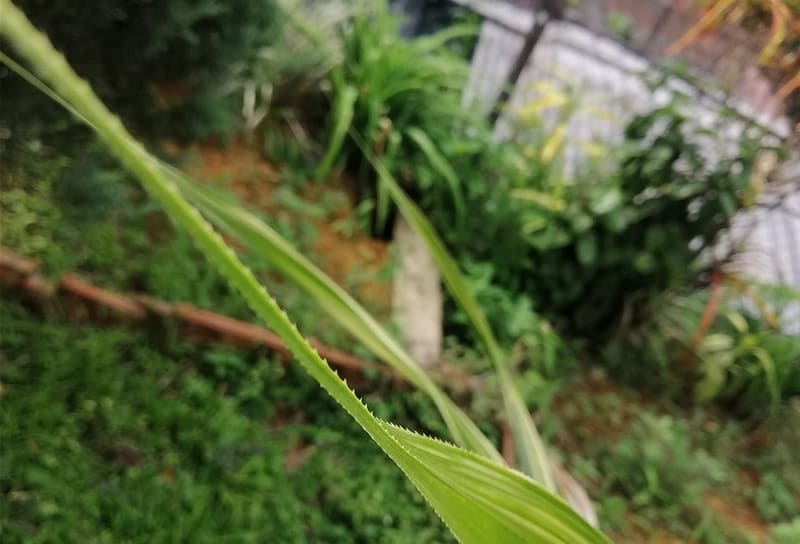
Pandan
Pandan is the aromatic leaf at the heart of Southeast Asian cooking — the scent in kaya, pandan cake, and fragrant rice across Thailand, Malaysia, Indonesia, and the Philippines. It grows as a warmth-loving, strappy foliage plant that doubles as a handsome houseplant.
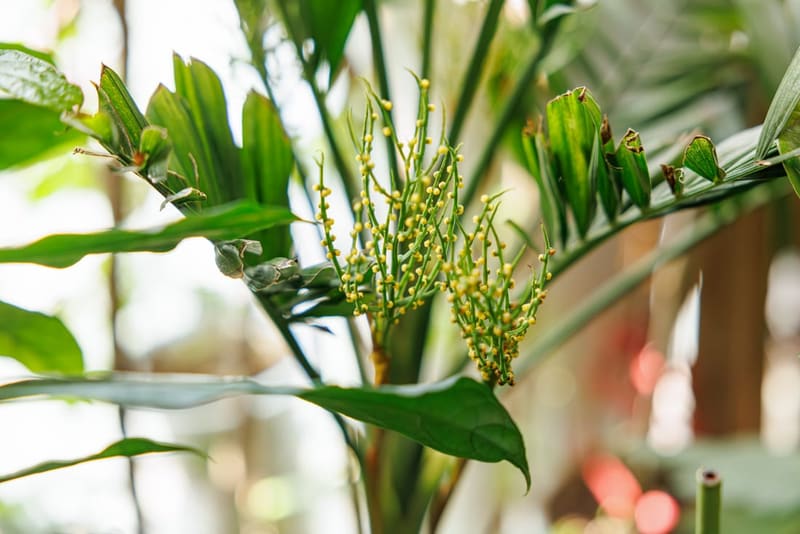
Parlor Palm
The parlor palm is a pet-safe palm that tolerates low light and modest neglect, which makes it one of the easier indoor palms. It brings a soft, leafy texture to dim corners.
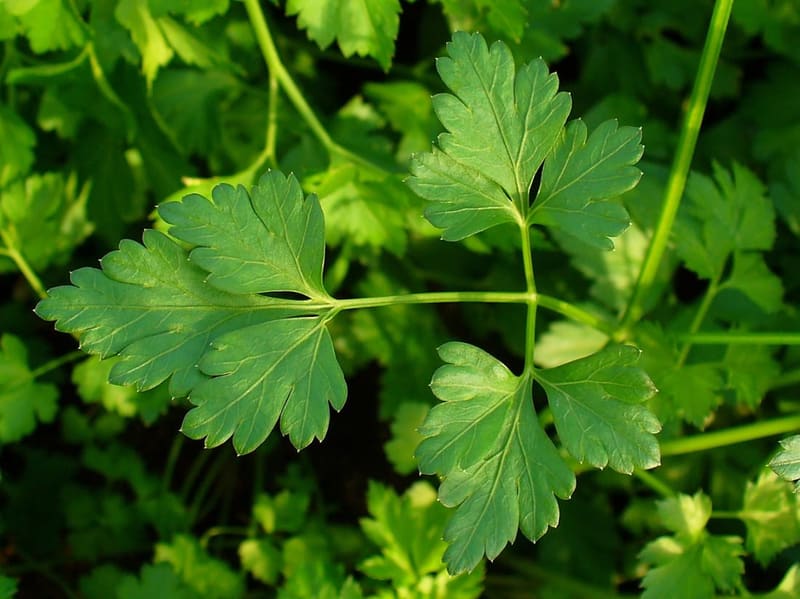
Parsley
Parsley is a sturdy, forgiving herb that keeps producing for months once established. It is slow from seed, so patience early on pays off. Note it is mildly toxic to pets in quantity.

Parsnip
Parsnips are a patient, deep-rooted winter vegetable whose sweetness improves after cold weather. They need a tall pot and fresh seed, and reward the long wait with rich, nutty roots.
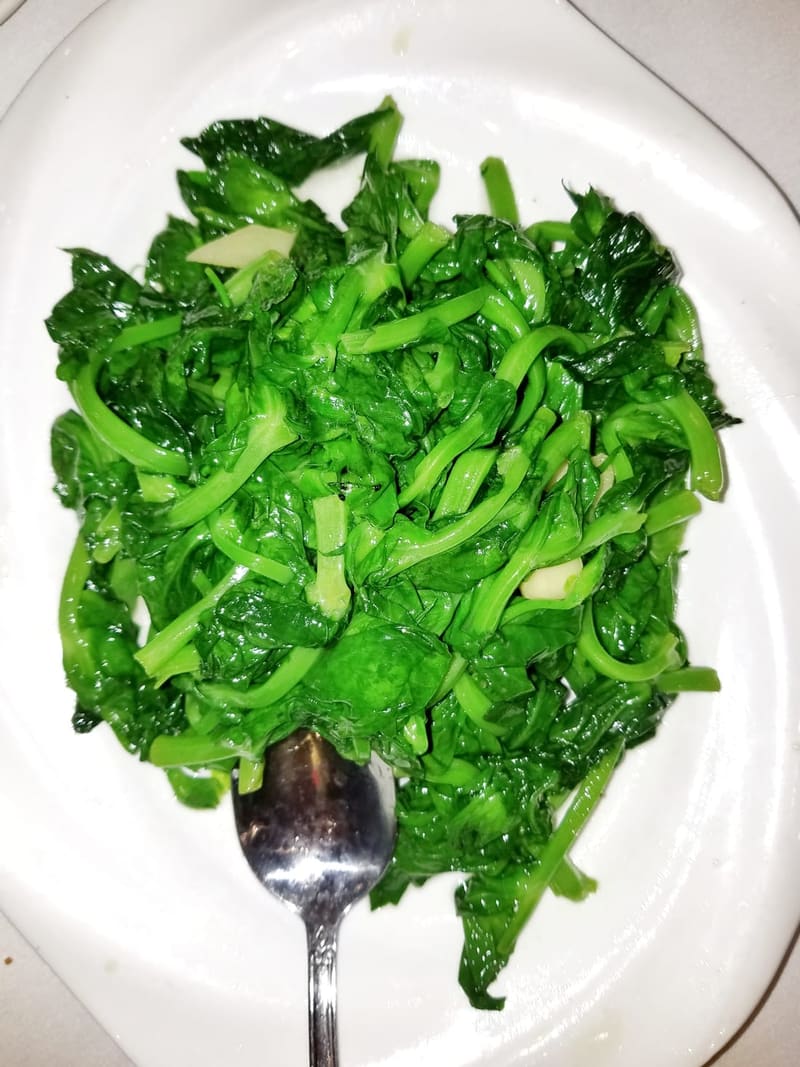
Pea Shoots
Pea shoots are one of the fastest and most beginner-friendly things to grow, going from dried peas to harvest in a couple of weeks. They need only modest light and taste sweet and fresh.
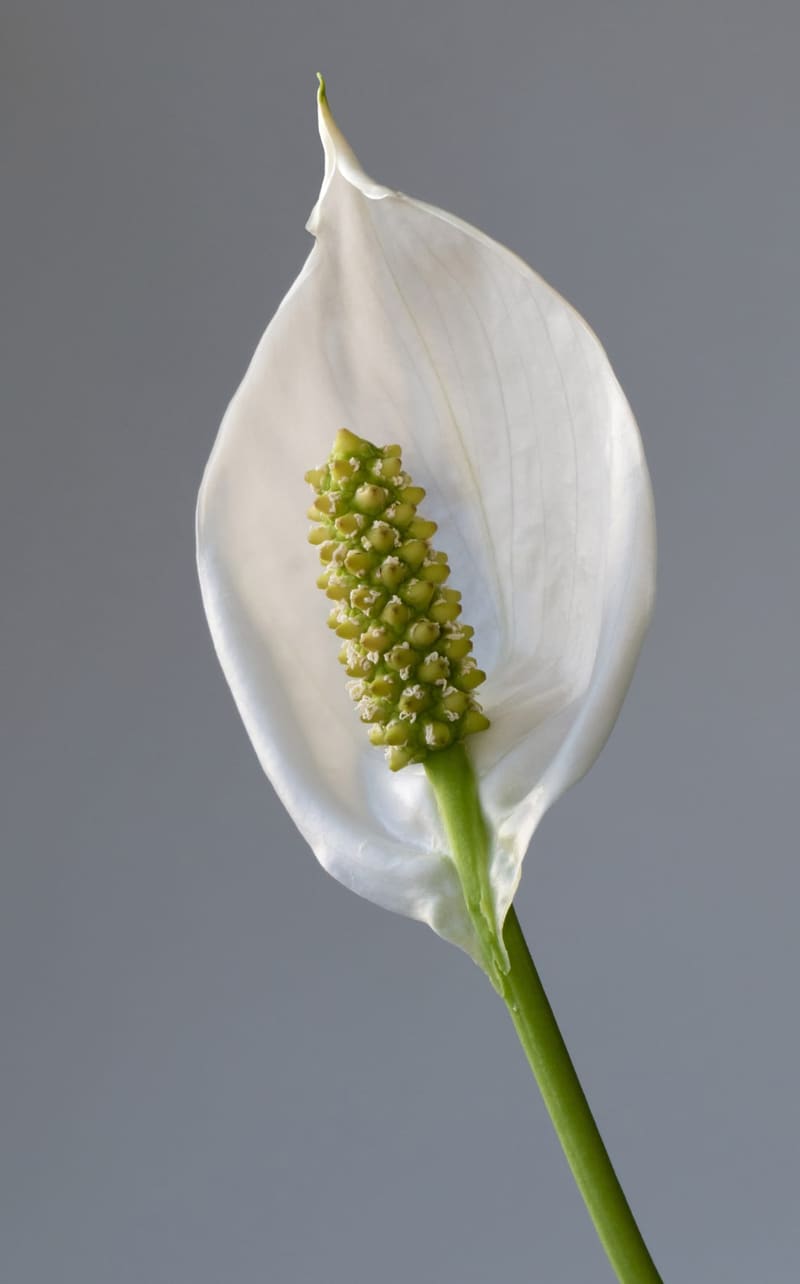
Peace Lily
The peace lily tolerates low light and tells you clearly when it is thirsty by drooping, which makes its watering easy to read. It is toxic to pets if chewed.
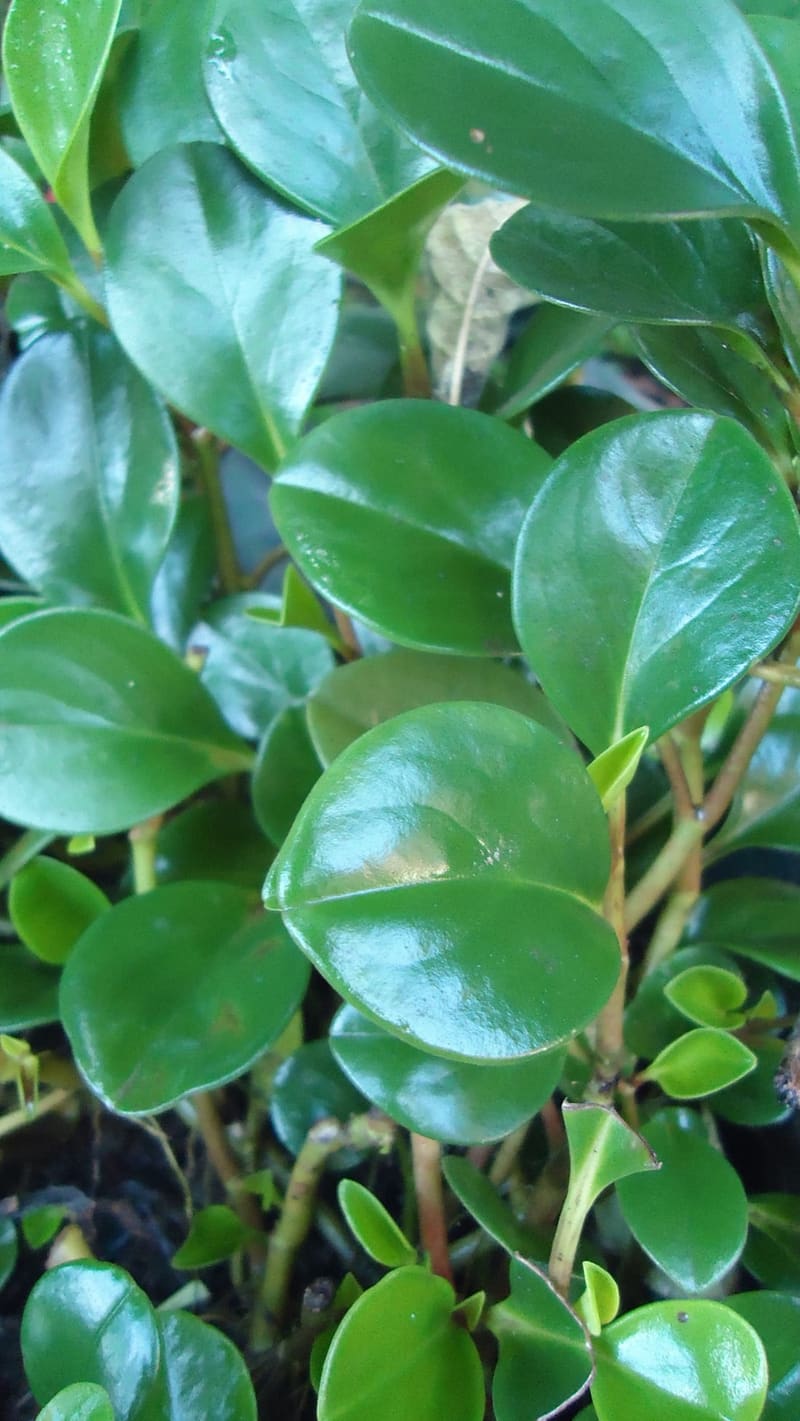
Peperomia (Baby Rubber Plant)
Peperomia is a compact, pet-safe foliage plant with thick, semi-succulent leaves that store water, so it forgives the occasional missed watering. A good low-fuss choice for small spaces.
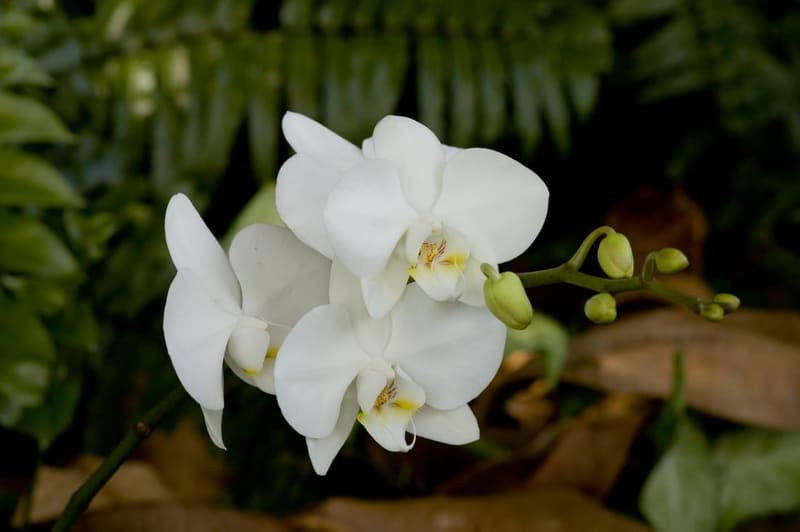
Phalaenopsis Orchid (Moth Orchid)
The moth orchid is the most beginner-friendly orchid, blooming for weeks and asking only for bright indirect light and careful watering. It is pet-safe.
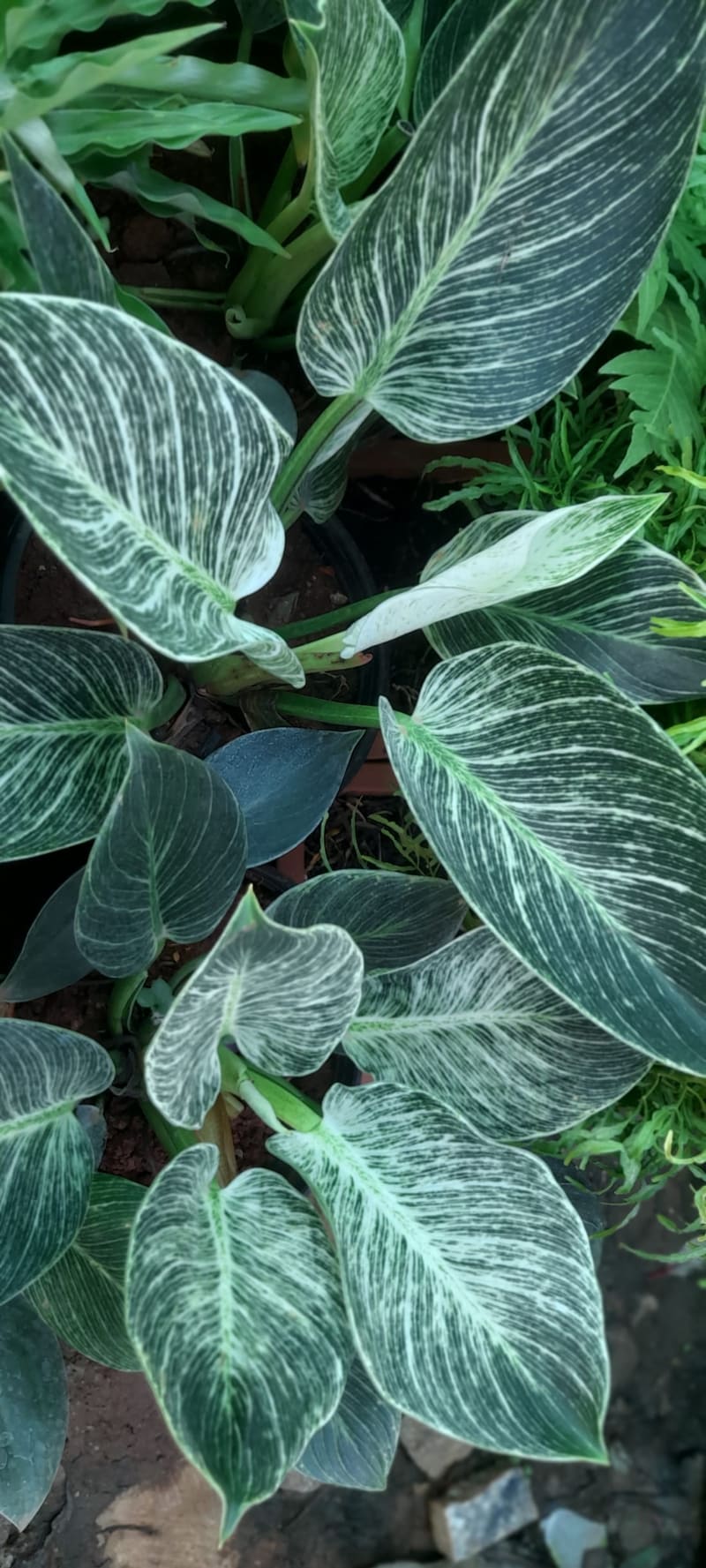
Philodendron Birkin
The Philodendron Birkin is a compact, upright philodendron with dark leaves finely pinstriped in creamy white. Like all philodendrons, it is toxic to cats and dogs if chewed.
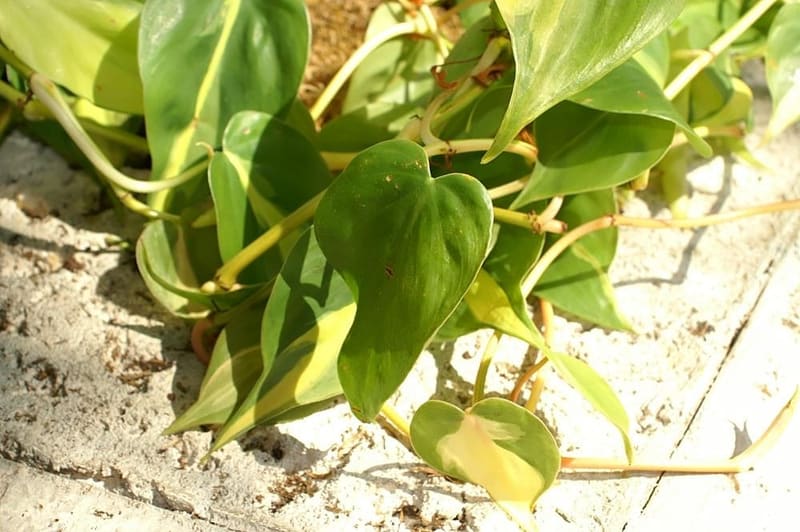
Philodendron Brasil
Philodendron Brasil is a forgiving trailing vine, a variegated form of the heartleaf philodendron, with leaves streaked in lime green. It is toxic to cats and dogs if chewed.
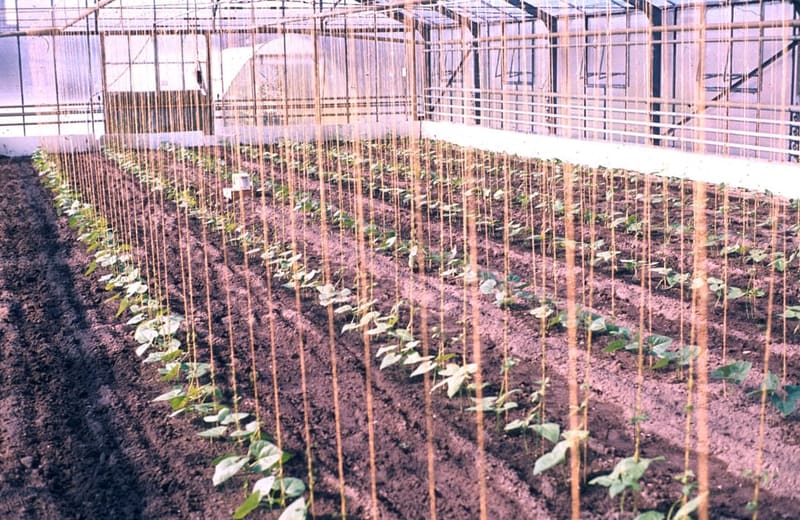
Pole Bean
Pole beans climb a string or trellis and crop heavily for their footprint, making them a good vertical choice for a sunny indoor or balcony spot. Keep picking and they keep flowering.
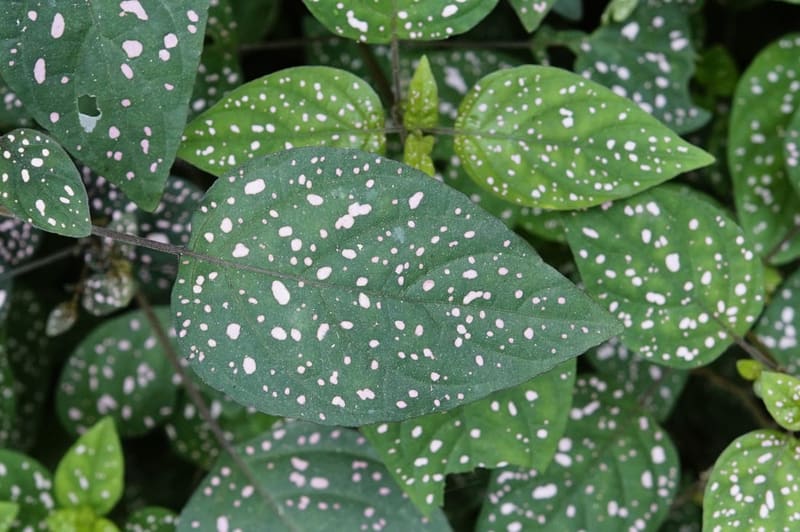
Polka Dot Plant
The polka dot plant is a small, pet-safe foliage plant with leaves freckled in pink, white or red. It is easy but short-lived and benefits from regular pinching.
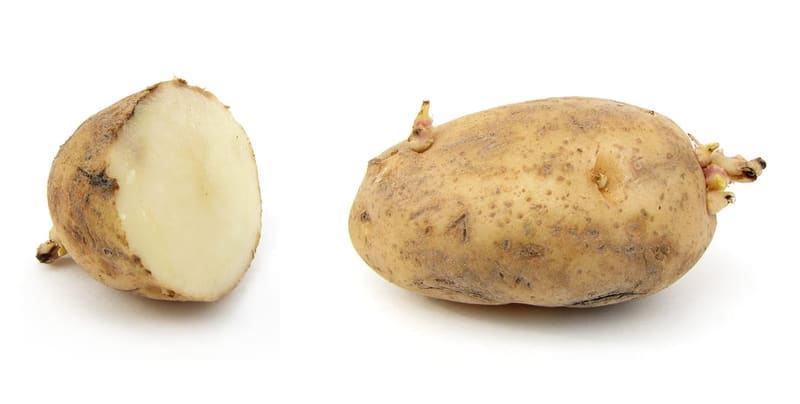
Potato (Container)
Potatoes grow surprisingly well in a deep bucket or grow-bag and are one of the more satisfying container roots. The foliage, sprouts, and any green tubers contain solanine and are toxic, so only the cured, unblemished tubers are eaten.
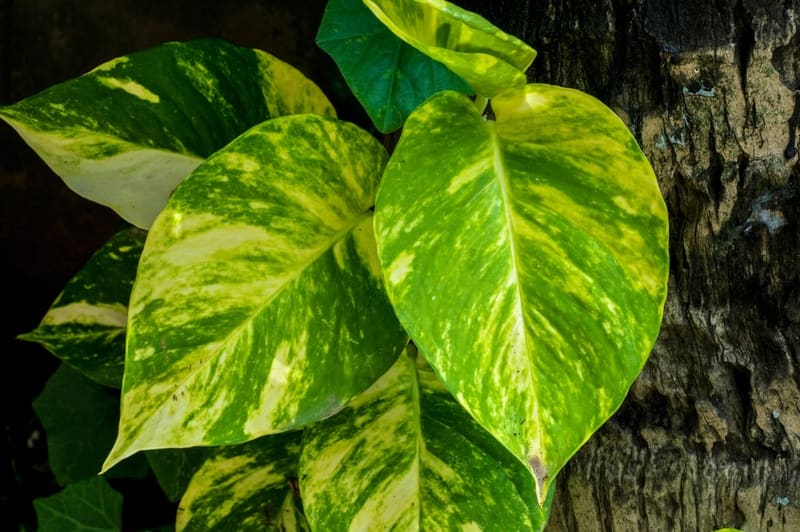
Pothos (Golden Pothos)
Pothos is a near-indestructible trailing vine that grows in almost any light and is easy to propagate. It is toxic to cats and dogs if chewed.
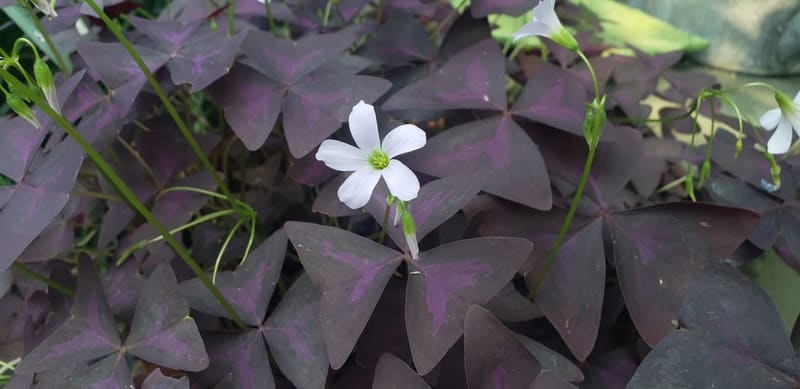
Purple Shamrock
The purple shamrock is grown for its deep-purple triangular leaves that fold up and down with the daily light cycle, and it produces small pale flowers. It is toxic to cats and dogs if eaten.
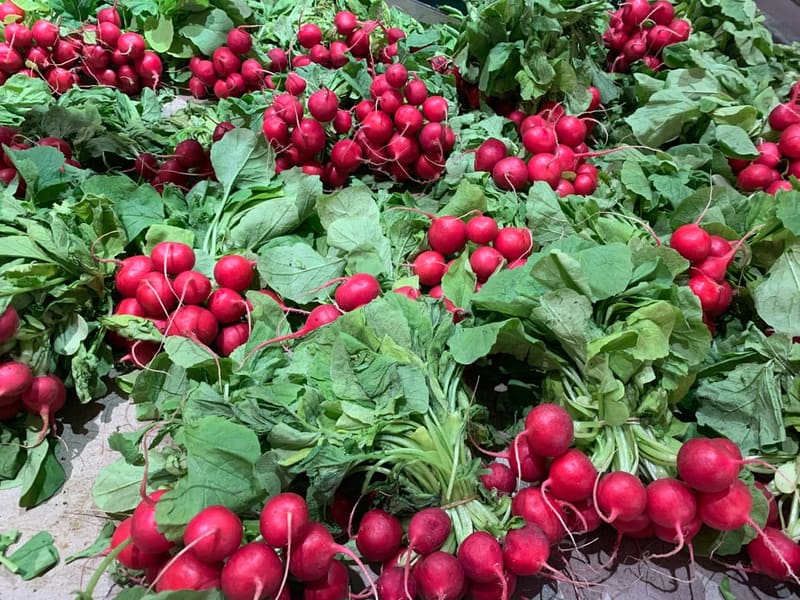
Radish
Radishes are the quickest win in indoor growing and great for impatient or first-time growers. Give them a deep-enough pot and bright light for crisp roots.
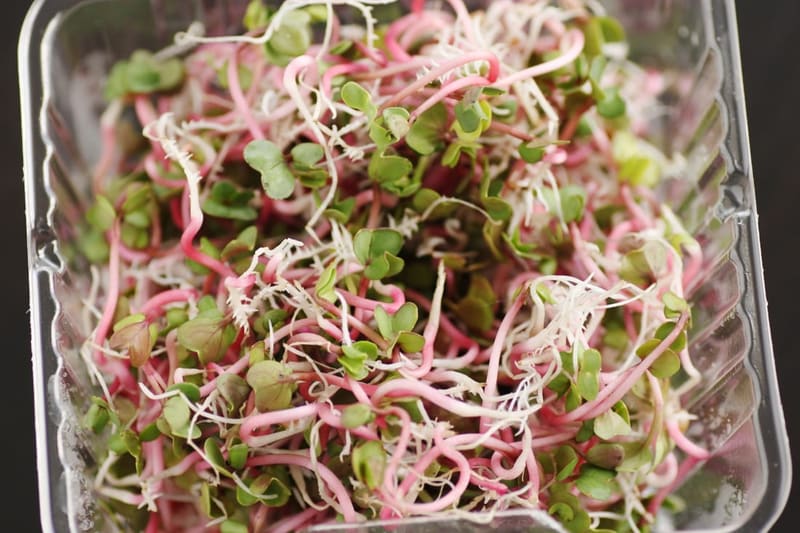
Radish Microgreens
Radish microgreens are about the easiest and fastest microgreen to grow, ready in roughly a week with a peppery, mustard-like bite. They germinate fast and forgive beginner mistakes.
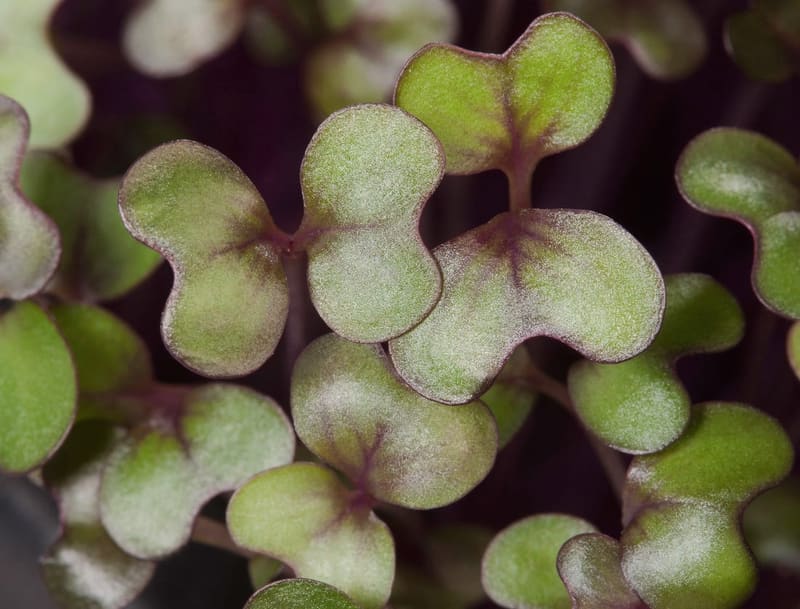
Red Cabbage Microgreens
Red cabbage microgreens are one of the most striking trays you can grow — vivid purple stems, mild flavour, and the even, beginner-proof germination brassicas are known for. Ready in a week or two from a dense sowing.
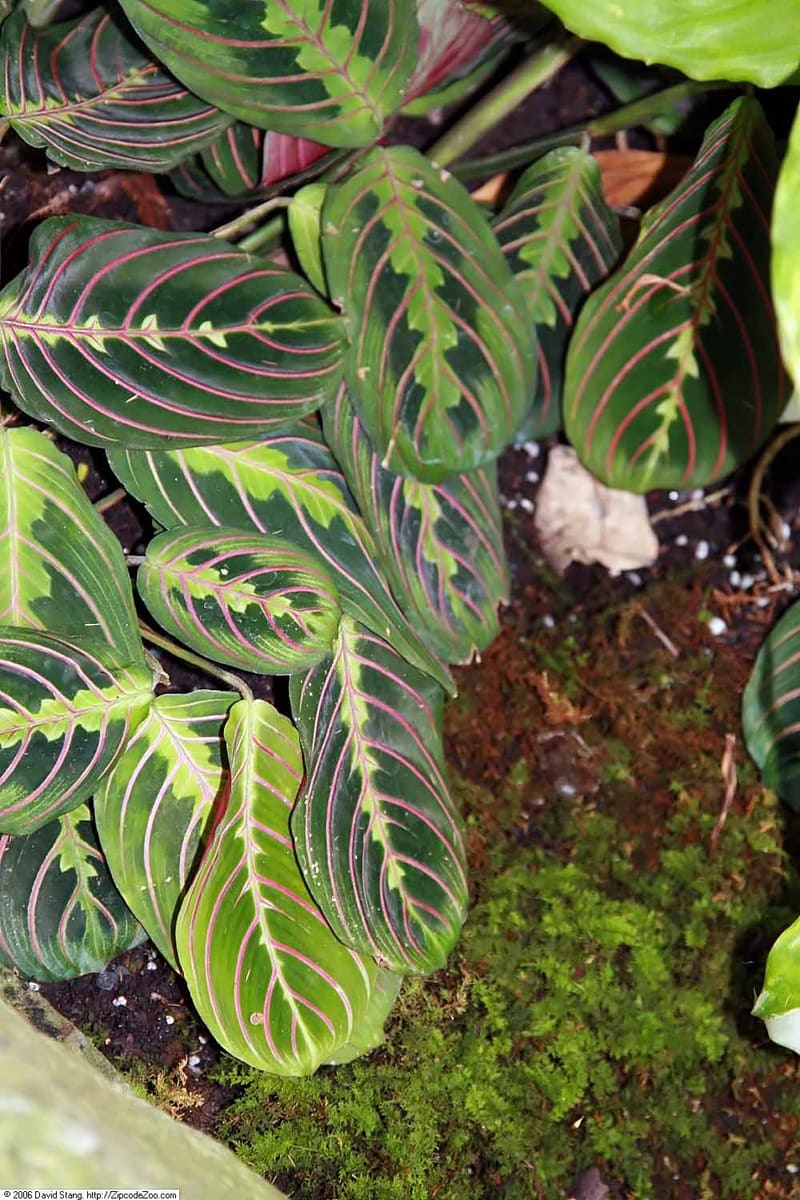
Red Prayer Plant
The red prayer plant is a pet-safe trailing foliage plant with striking red-veined leaves that fold up at night like praying hands. It is a little fussy about humidity and water quality.
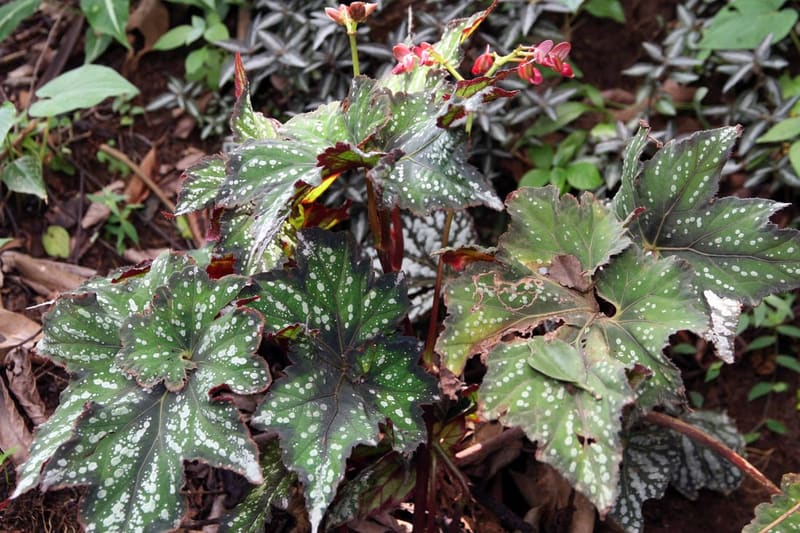
Rex Begonia
Rex begonias are grown purely for their leaves — spirals and splashes of silver, purple, green, and red that few other houseplants match. They want bright indirect light and humidity, are toxic to pets, and sulk if their leaves stay wet.
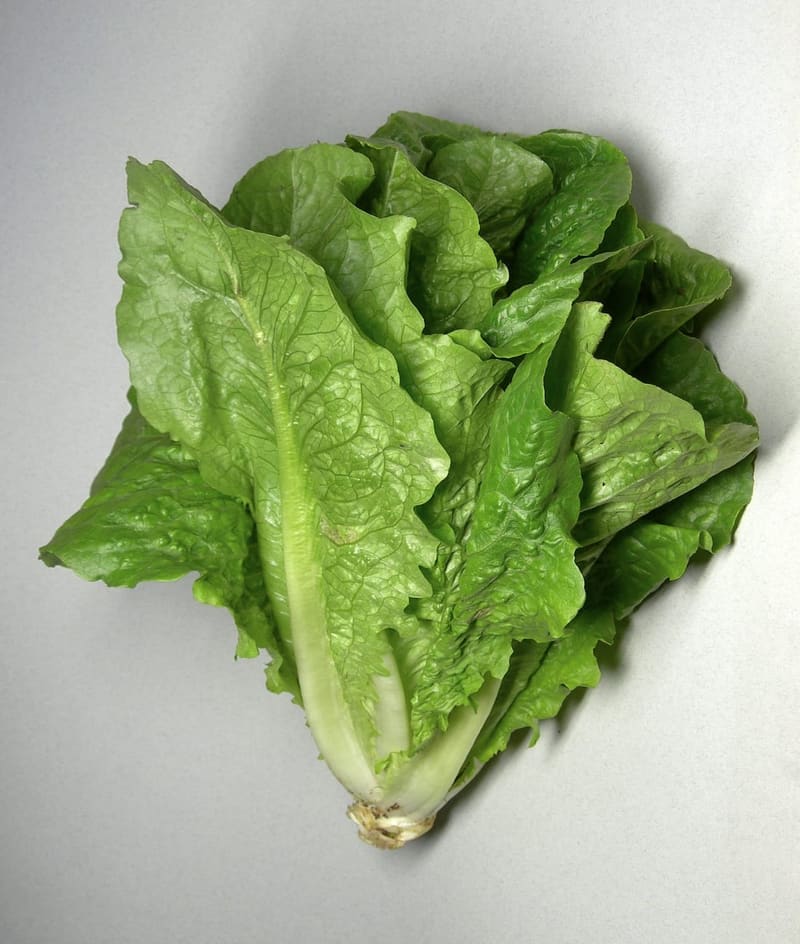
Romaine / Cos Lettuce
Romaine is a crisp, upright lettuce that suits containers and tolerates modest light. You can grow it to a full head or harvest outer leaves continuously.
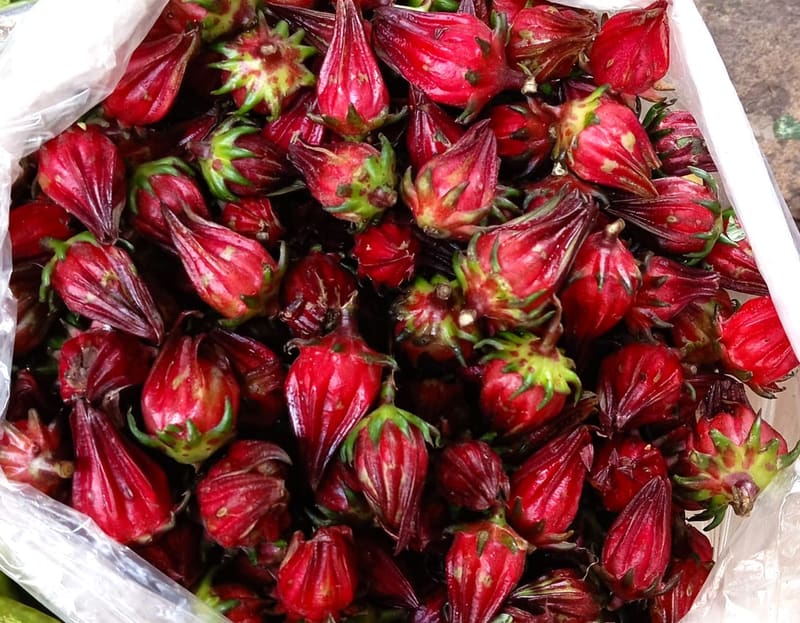
Roselle
Roselle gives the tart red calyces behind bissap in West Africa, agua de Jamaica in Mexico, sorrel in the Caribbean, and karkade in Egypt and Sudan. It is a big, sun-loving annual best suited to a sunny balcony — and its young leaves are edible well before the calyces form.
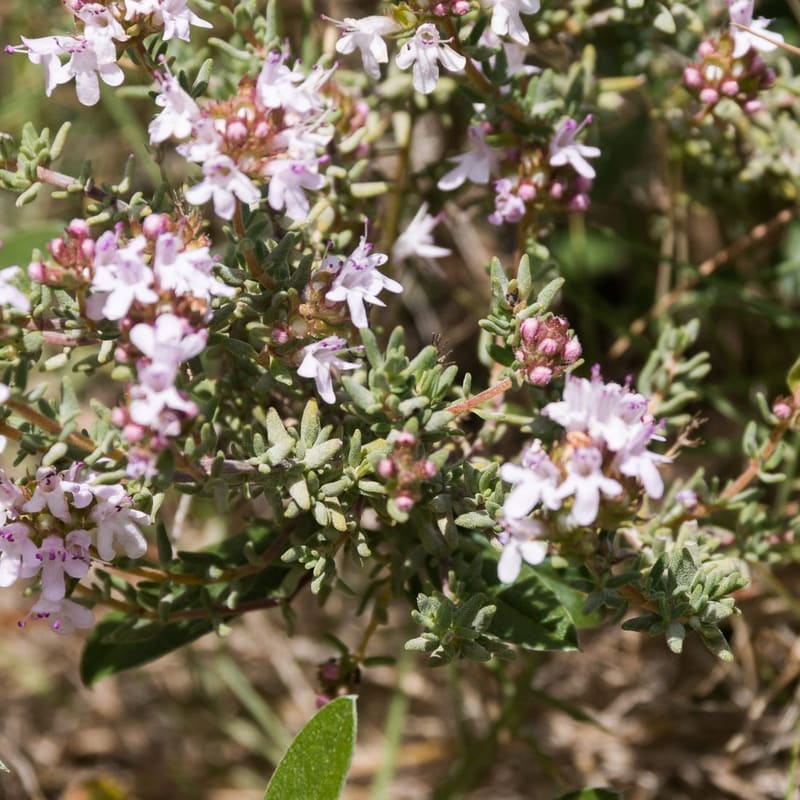
Rosemary
Rosemary is a drought-tolerant woody herb that prefers a bright spot and dislikes wet feet. It is slow to establish but then long-lived and low-maintenance.

Rubber Plant
The rubber plant is a sturdy, upright foliage plant with thick glossy leaves that is easier than the fiddle leaf fig. Its sap is toxic to pets and irritating to skin.
Sage
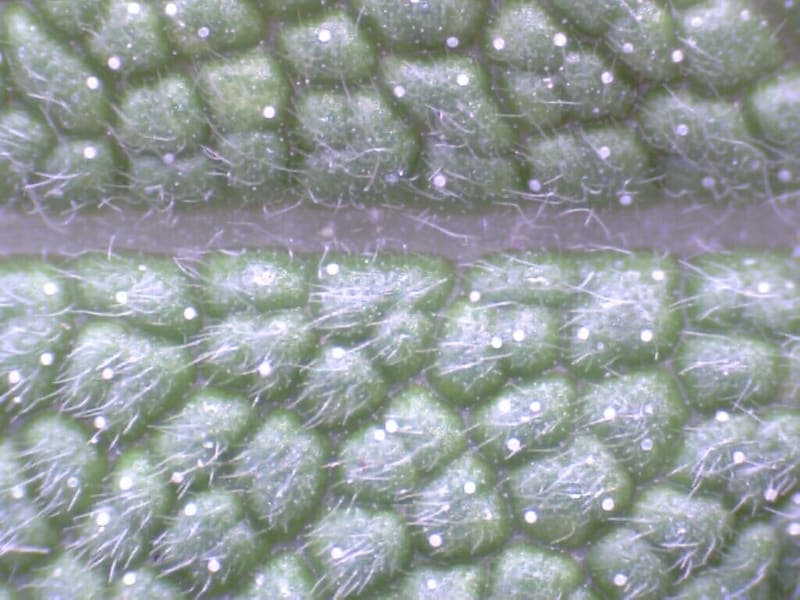
Sage is a forgiving, drought-tolerant woody herb that likes bright light and dry-ish soil. It stays fairly compact and rewards occasional trimming.
Salad Burnet
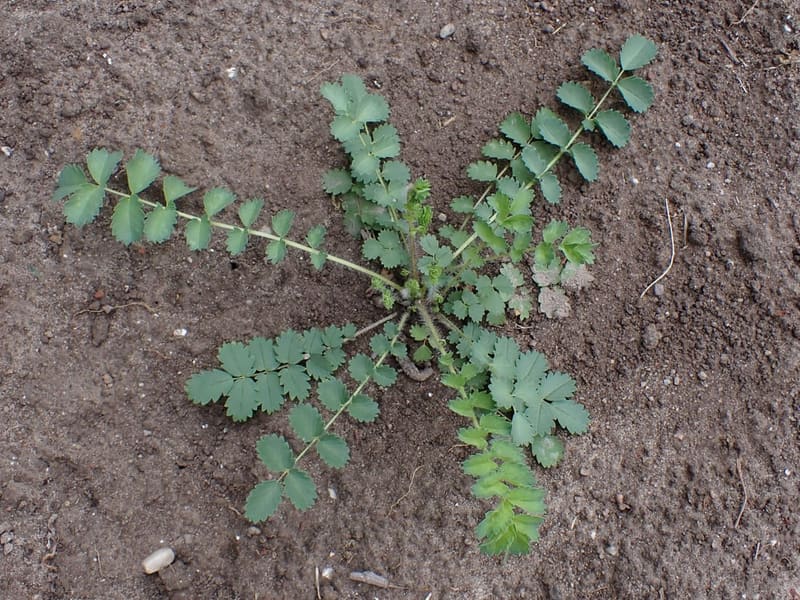
Salad burnet is a hardy, near-evergreen perennial whose tender young leaves have a fresh cucumber flavor good in salads, dips, and cold drinks. It tolerates cool conditions and lower light better than most herbs.
Satin Pothos
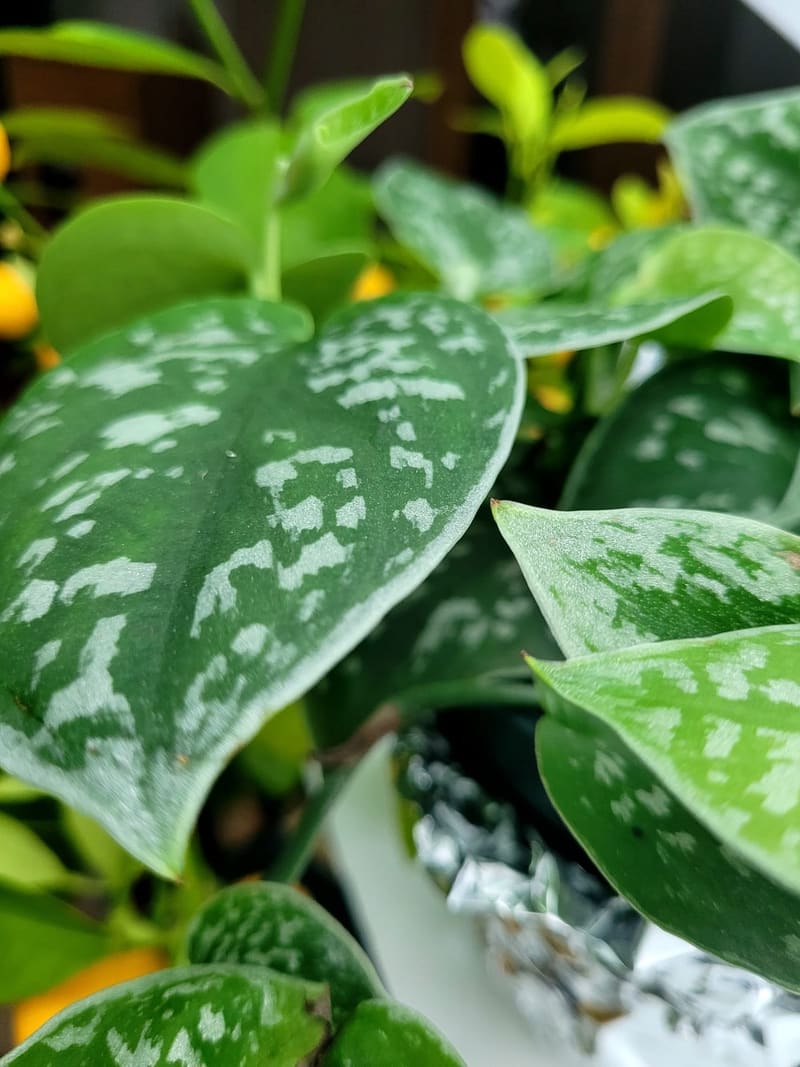
Satin pothos is an easy trailing vine with matte heart-shaped leaves splashed in silver, similar in care to common pothos. It is toxic to cats and dogs if chewed.
Shiso (Perilla)
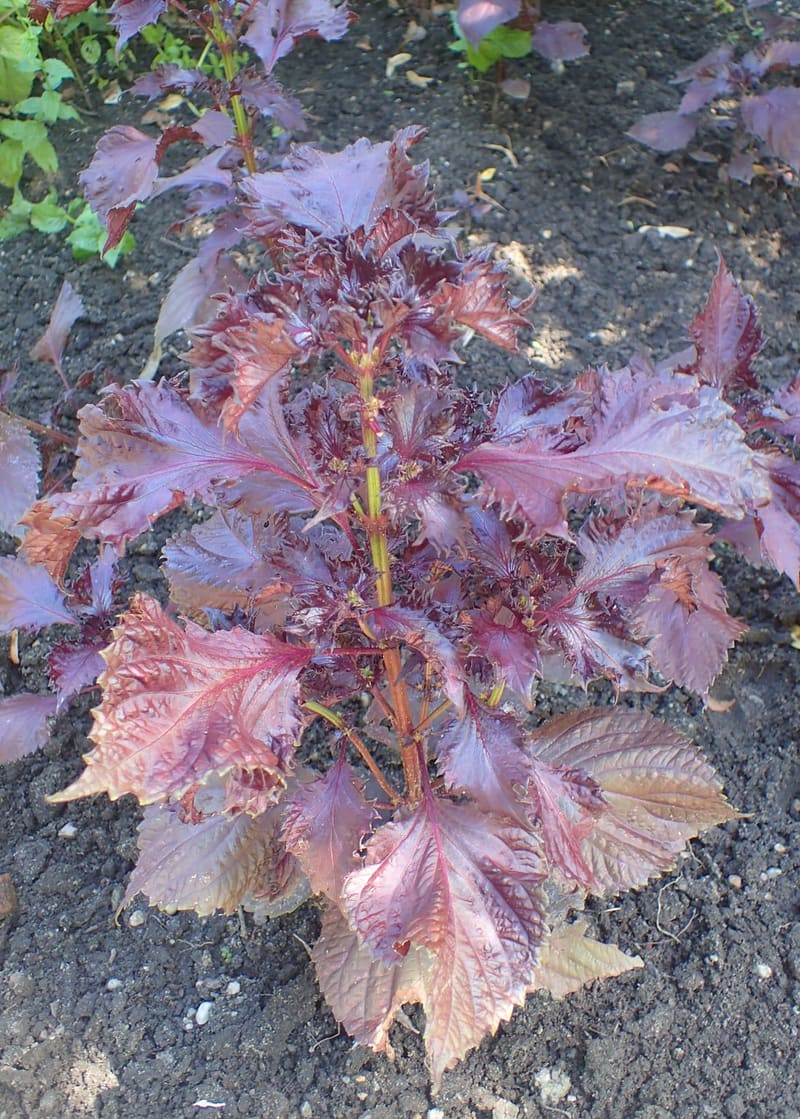
Shiso is a warm-season annual in the mint family with large, aromatic green or purple leaves used in Japanese, Korean, and Vietnamese cooking. It grows easily indoors but contains perilla ketone, so it is best kept away from pets that nibble.
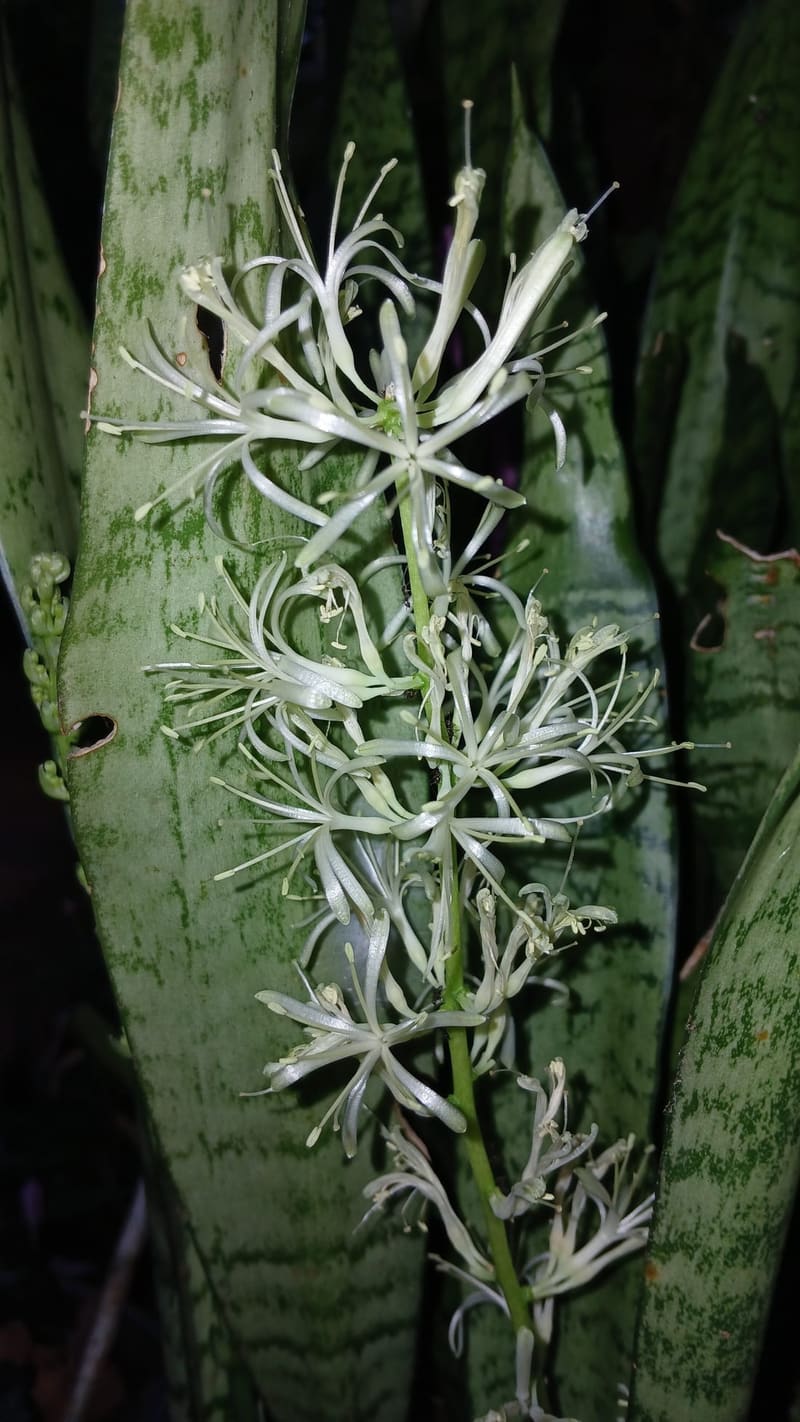
Snake Plant
The snake plant is one of the hardest houseplants to kill and tolerates low light and neglect. It is toxic to pets, so keep it out of reach of chewers.
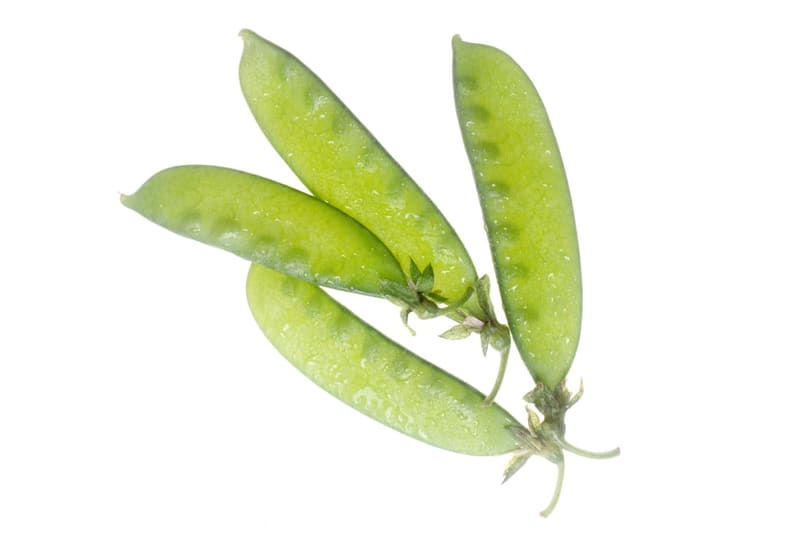
Snow Pea / Mangetout
Snow peas are a cool-season climber harvested young for flat, tender, edible pods, sweet enough to eat raw. They need a support to climb and prefer cooler conditions.
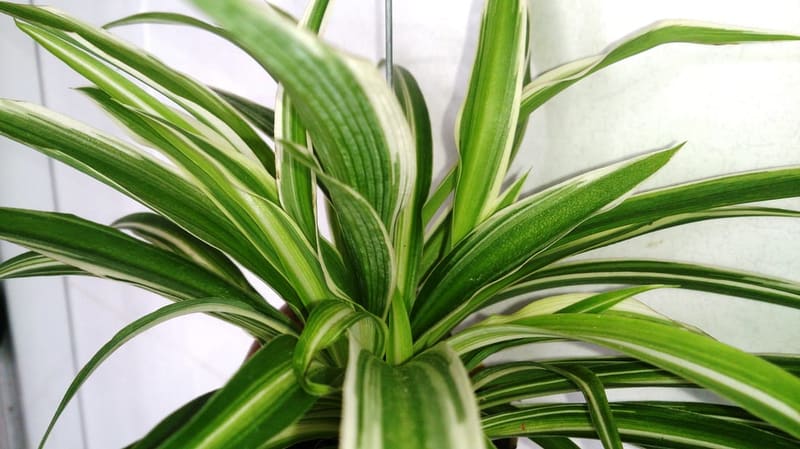
Spider Plant
The spider plant is easy, fast-growing, and pet-safe, and it readily produces baby plantlets you can pot up. A good first houseplant.
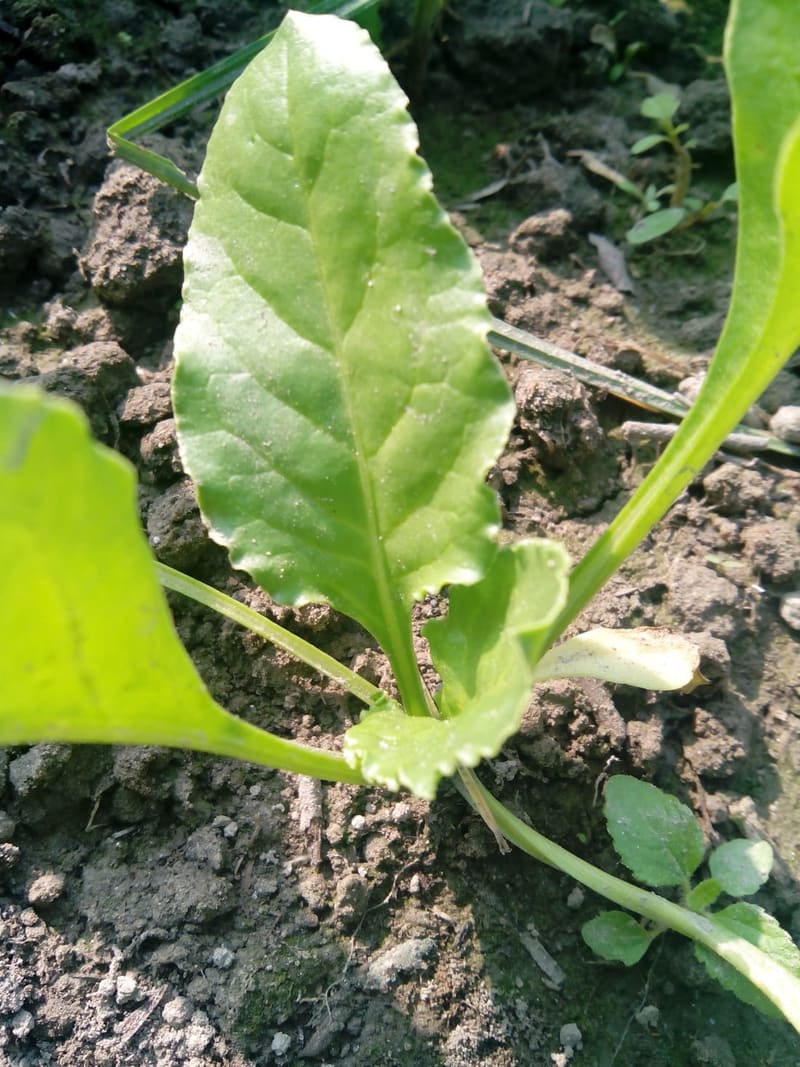
Spinach
Spinach is a quick cool-season green that prefers it on the cooler side and bolts fast in heat. Harvest leaves young for the best texture.
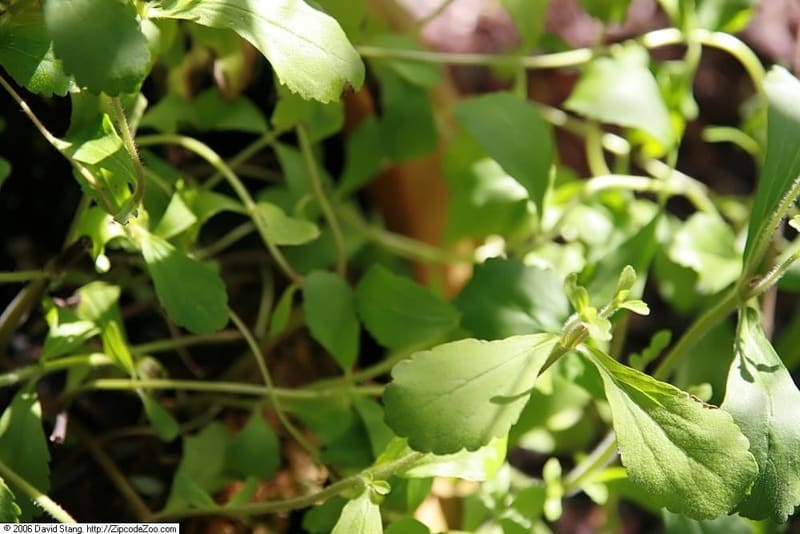
Stevia (Sweetleaf)
Stevia is a tender perennial whose leaves are many times sweeter than sugar and can be used fresh or dried as a natural sweetener. It needs warmth and bright light and is sensitive to cold, so it does best as an indoor pot plant in cool climates.
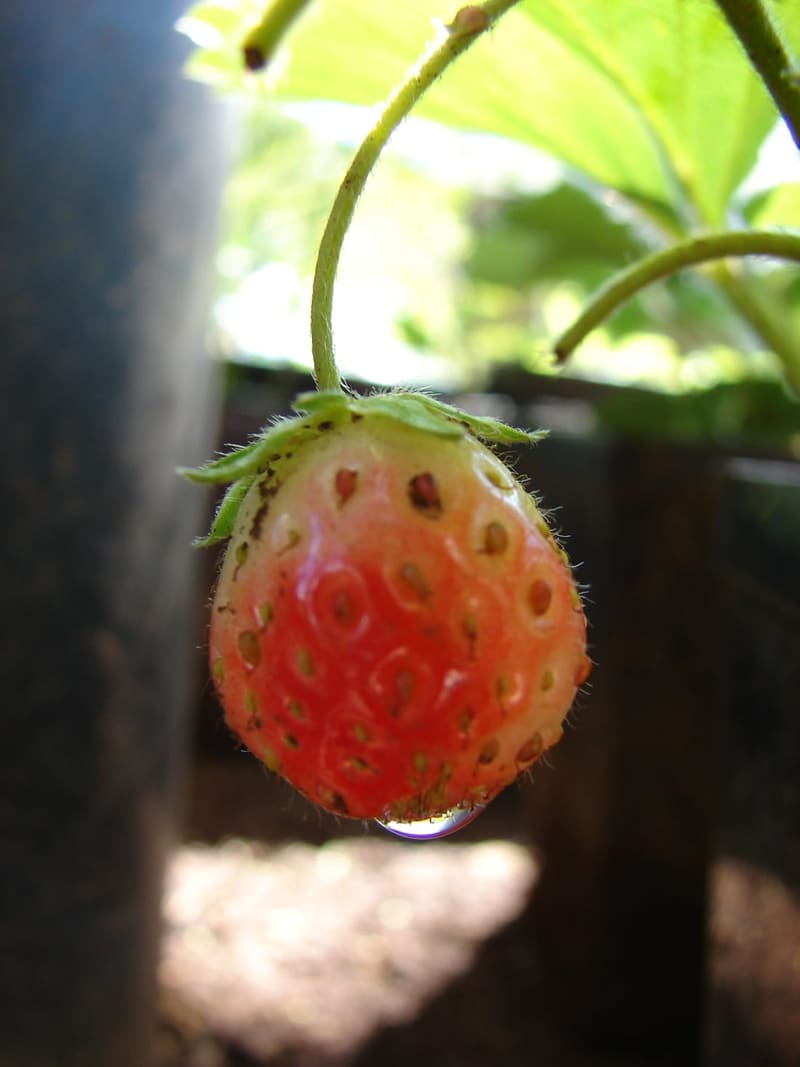
Strawberry
Strawberries are a fun, rewarding indoor fruit that needs a bright spot and a little patience for the first berries. Everbearing or day-neutral varieties work best in containers.
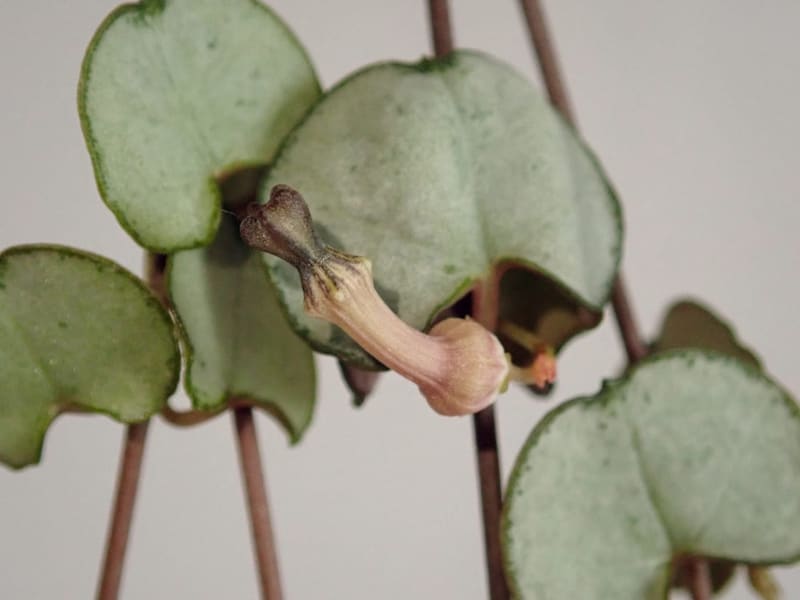
String of Hearts
String of hearts is a delicate trailing succulent with heart-shaped, marbled leaves on thin purple stems. It is generally considered pet-safe and is one of the easier trailing succulents.
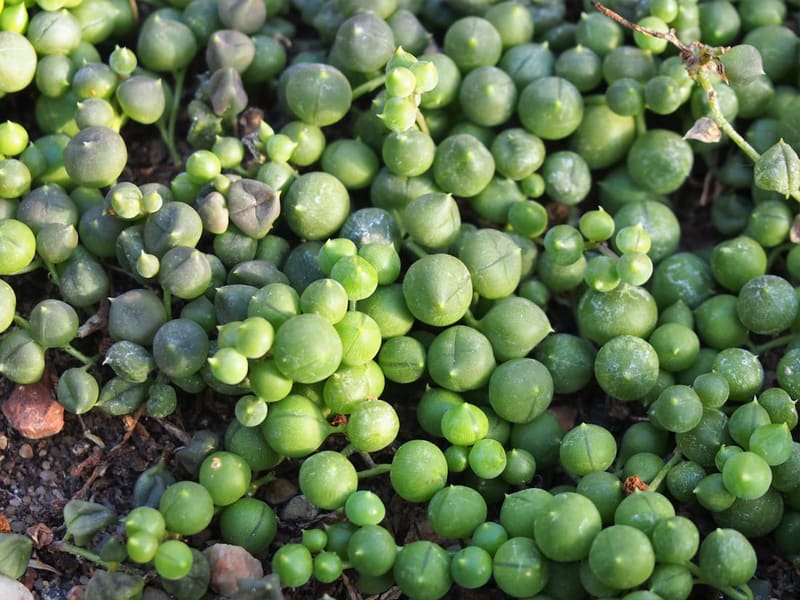
String of Pearls
String of pearls is a trailing succulent with strands of round bead-like leaves that spill over a pot or shelf. It is toxic to cats and dogs if chewed and the sap can irritate skin.
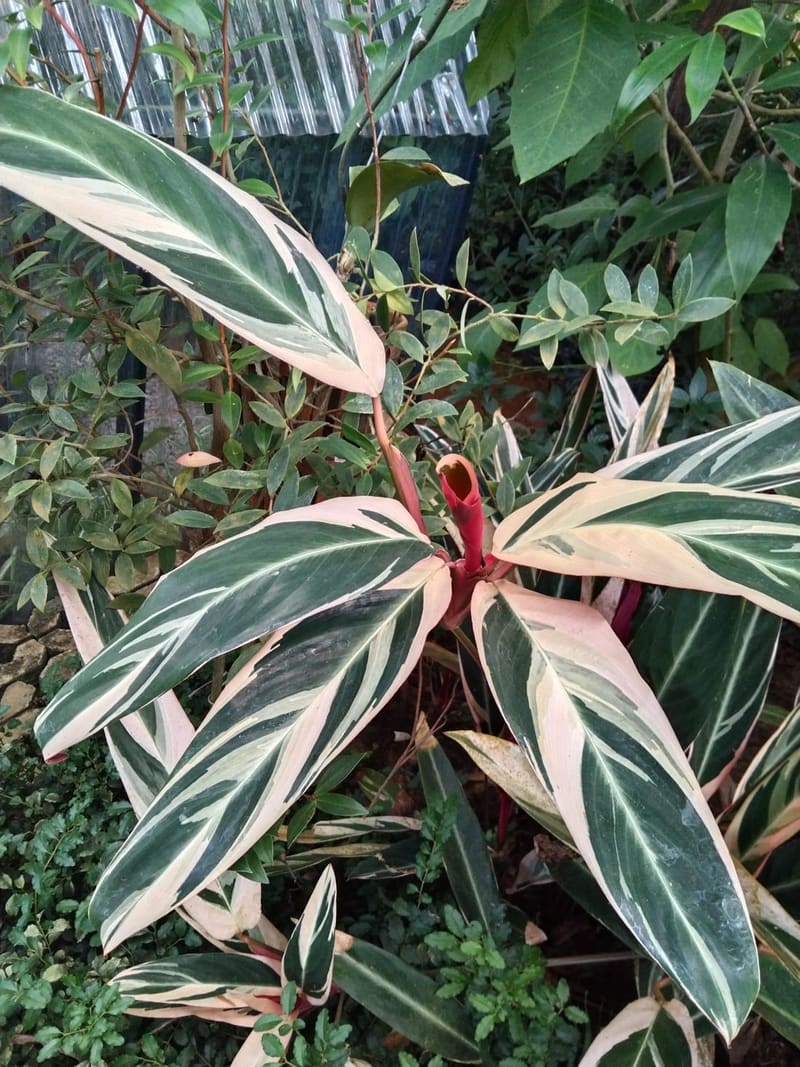
Stromanthe Triostar
Stromanthe ‘Triostar’ is a prayer-plant relative with pink, cream, and green variegation and burgundy undersides that show as the leaves fold up at night. It is pet-safe, but like its Calathea cousins it is fussy about dry air and hard water.
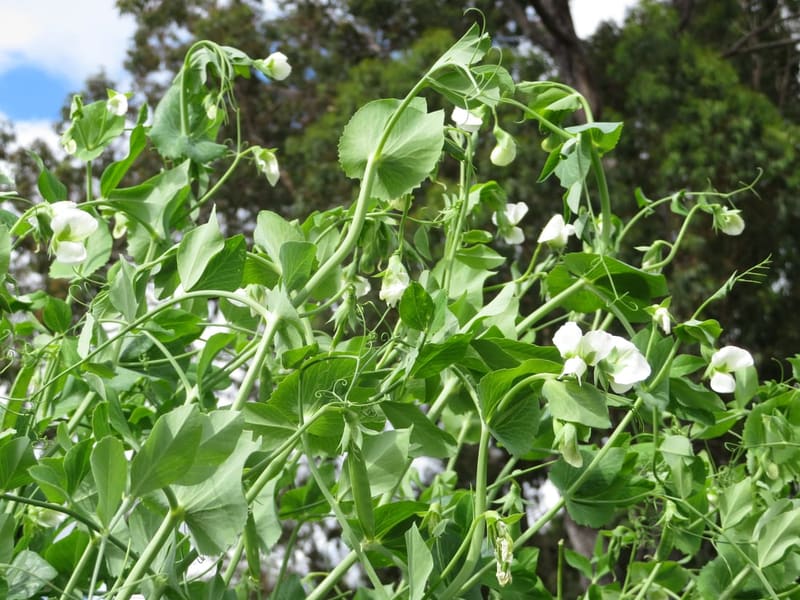
Sugar Snap Pea
Sugar snap peas are a sweet, beginner-friendly crop you eat pod and all, and they crop in cool conditions when many fruiting plants stall. Give them a small trellis or strings to climb.
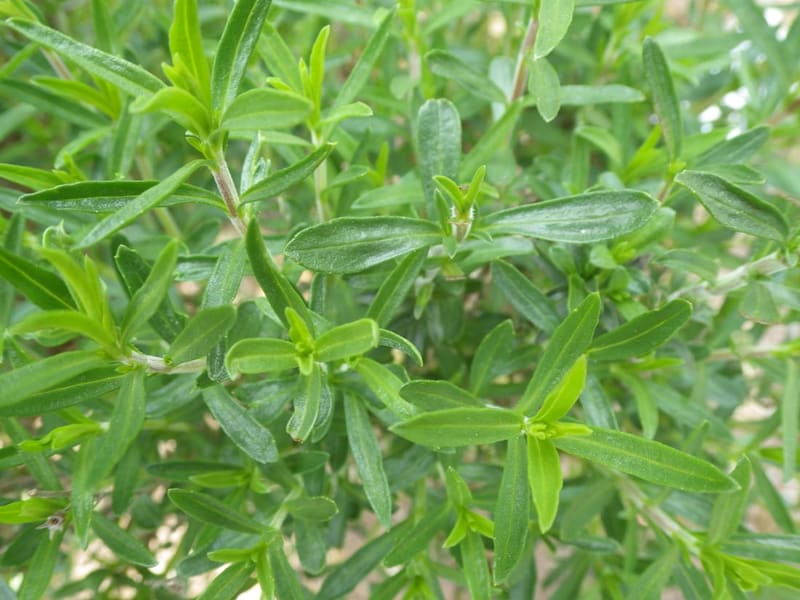
Summer Savory
Summer savory is a peppery culinary annual, somewhere between thyme and marjoram in flavor, that is classically cooked with beans. It is undemanding and prefers a sunny spot with lean, well-drained soil.
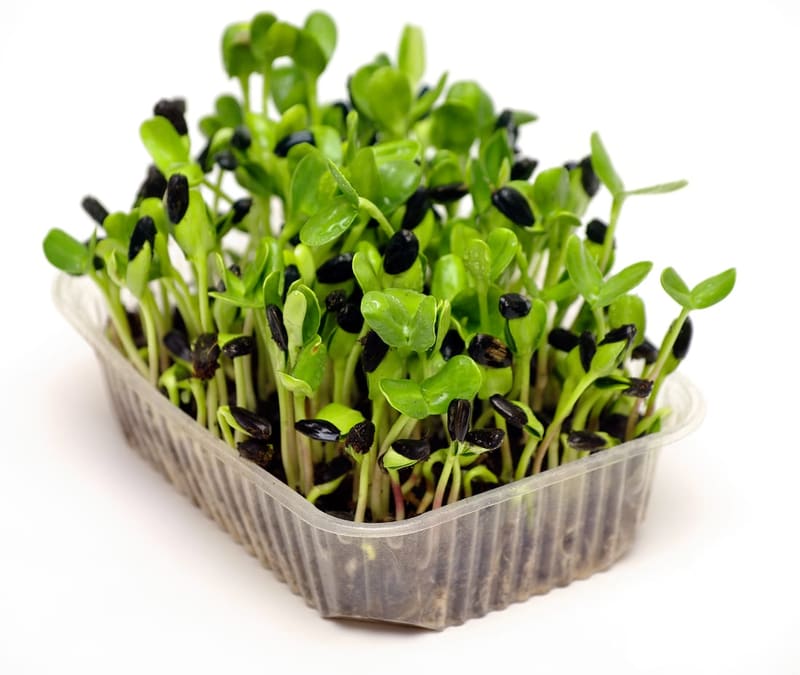
Sunflower Microgreens
Sunflower microgreens are one of the most satisfying trays to grow — thick, crunchy, and nutty, ready in well under two weeks. Use black-oil sunflower seed and harvest at the first true-leaf stage.
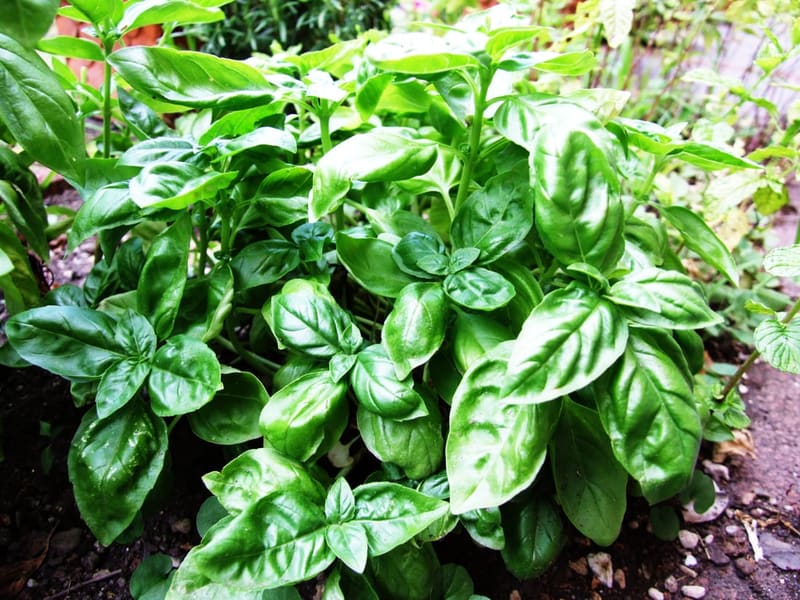
Sweet Basil
Basil is the friendliest herb to start with indoors and rewards frequent harvesting with bushier growth. It wants warmth and the brightest spot you can give it.
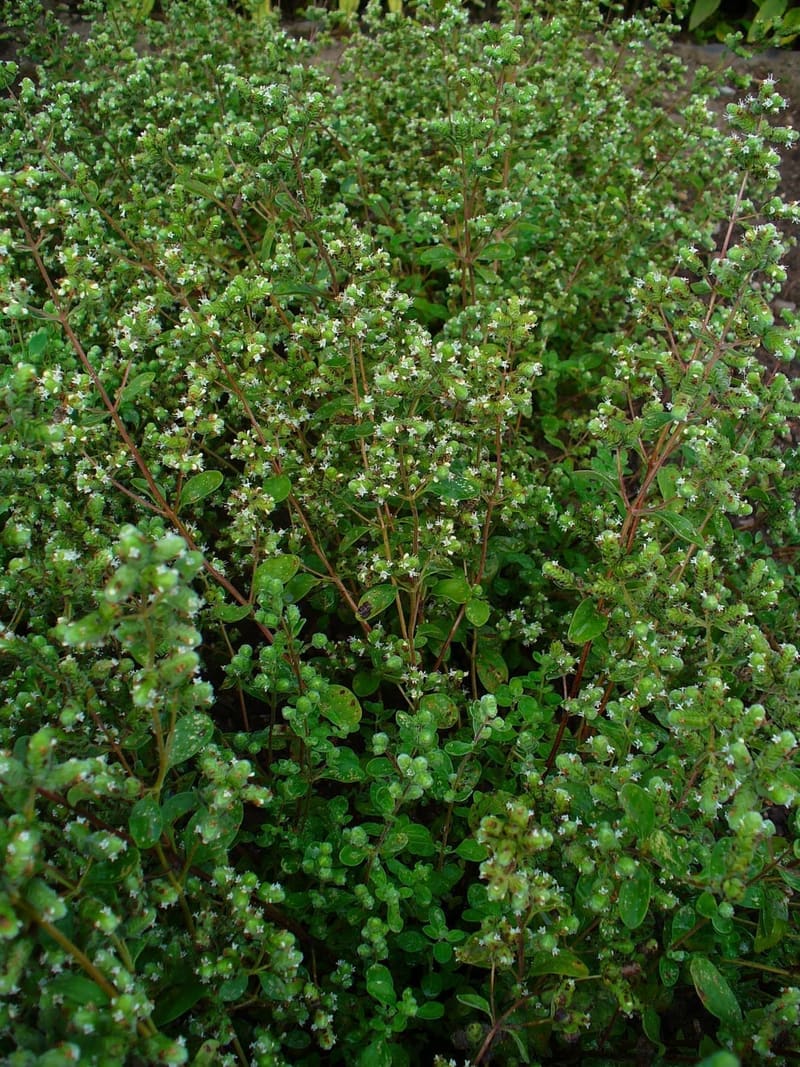
Sweet Marjoram
Sweet marjoram is a milder, sweeter cousin of oregano that does well in a bright window with sparing water. Like oregano it is mildly toxic to pets in quantity.
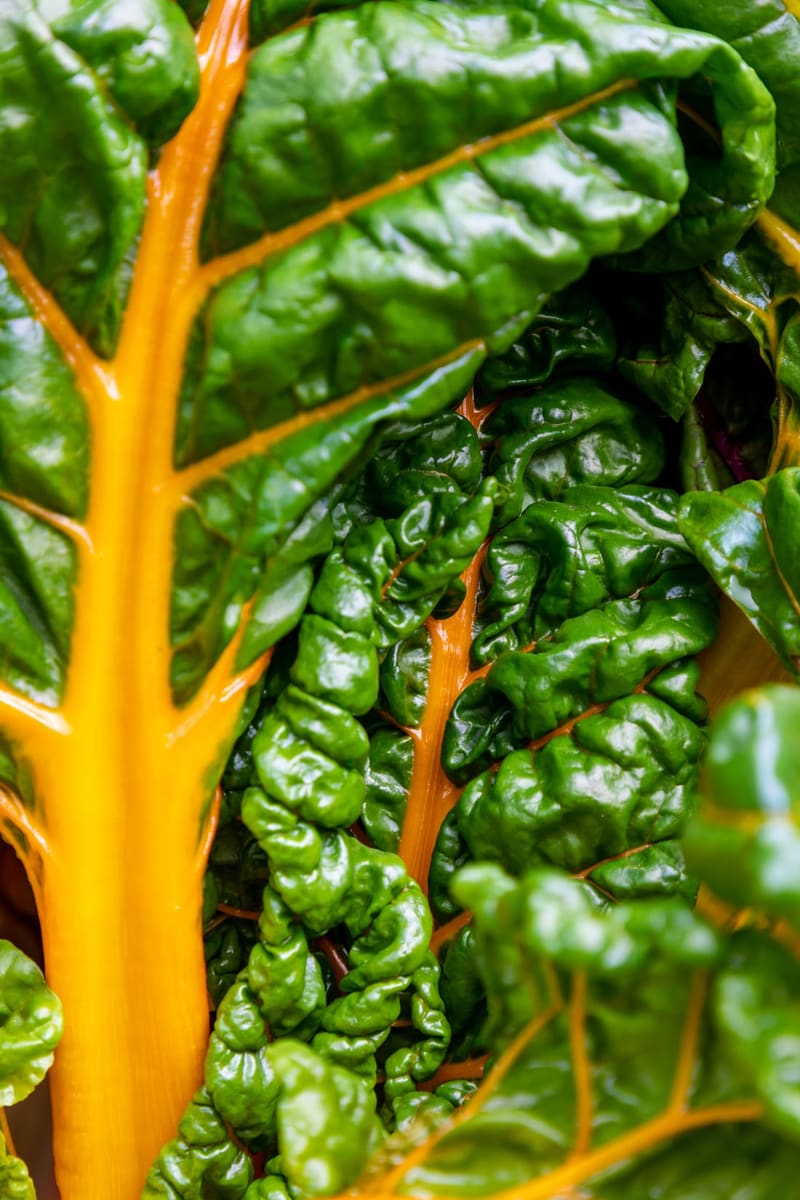
Swiss Chard
Swiss chard is one of the most productive and tolerant indoor greens, with colorful stalks and a long harvest window. Pick outer leaves and the plant keeps making new ones from the center.
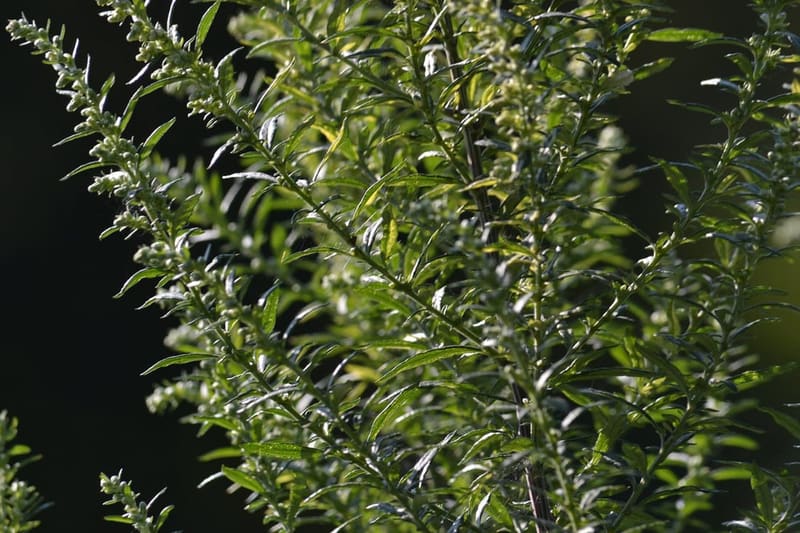
Tarragon (French)
French tarragon is a refined anise-flavored herb prized in French cooking. It must be grown from a plant or cutting rather than seed, and prefers a bright spot with sparing water. It is toxic to pets.
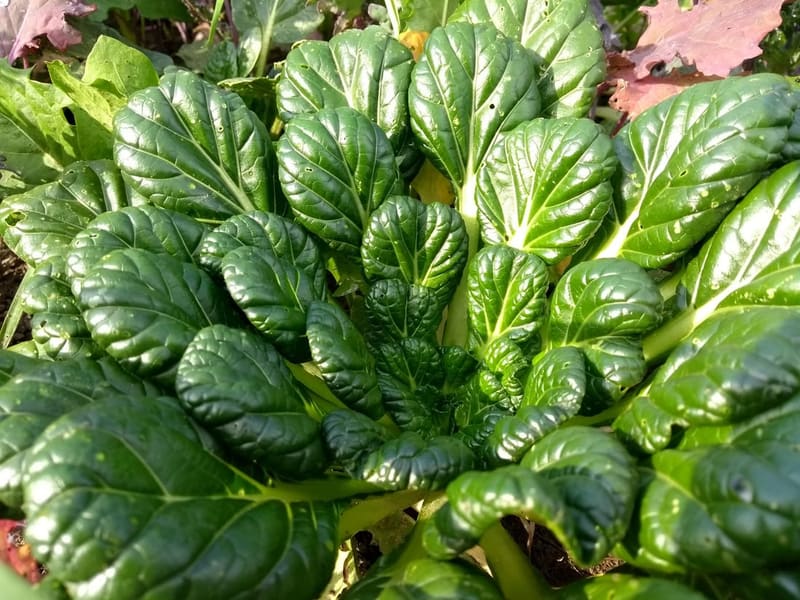
Tatsoi
Tatsoi is a quick-growing Asian green forming a low rosette of dark, spoon-shaped leaves with a mild mustardy flavor. It thrives in cool conditions and is one of the faster greens to harvest indoors.
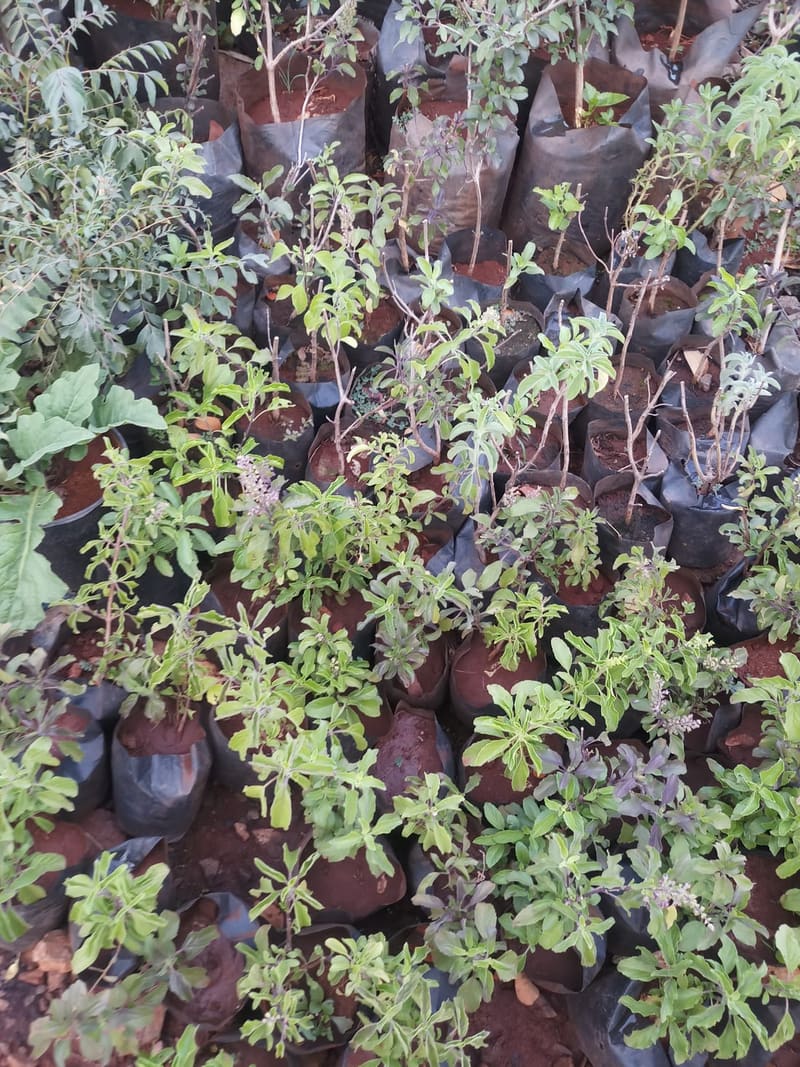
Thai Basil
Thai basil has purple stems and an anise edge that holds up in cooked dishes where sweet basil fades. It grows the same easy way: warmth, water, and the brightest spot you can offer.
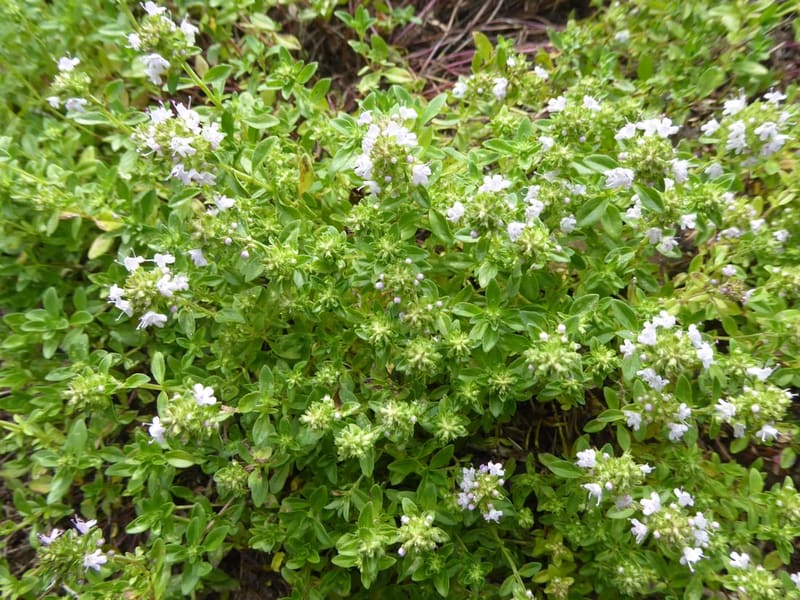
Thyme
Thyme is a small, tough, drought-tolerant herb that does well in a sunny window and shrugs off occasional dryness. It stays compact, so it suits small containers.
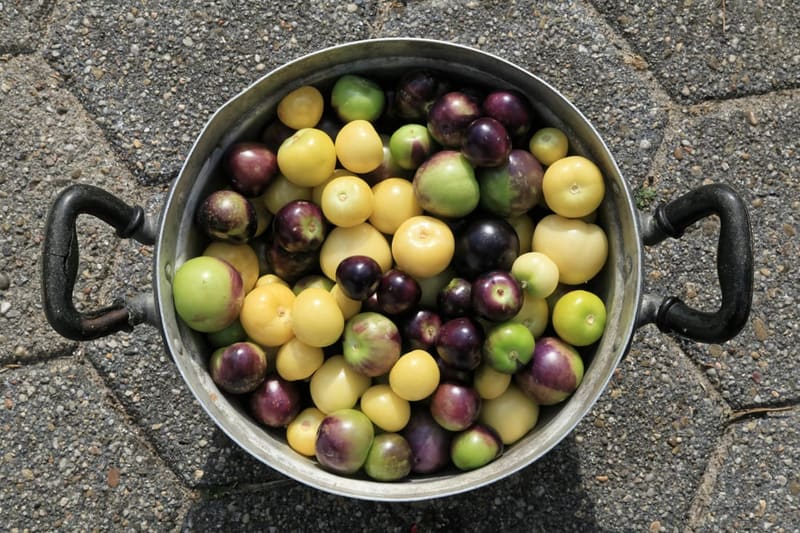
Tomatillo
Tomatillos are a sprawling nightshade grown for the tart, husk-wrapped fruit at the base of salsa verde. They need strong light and ideally a second plant nearby, since most varieties don’t self-pollinate well.
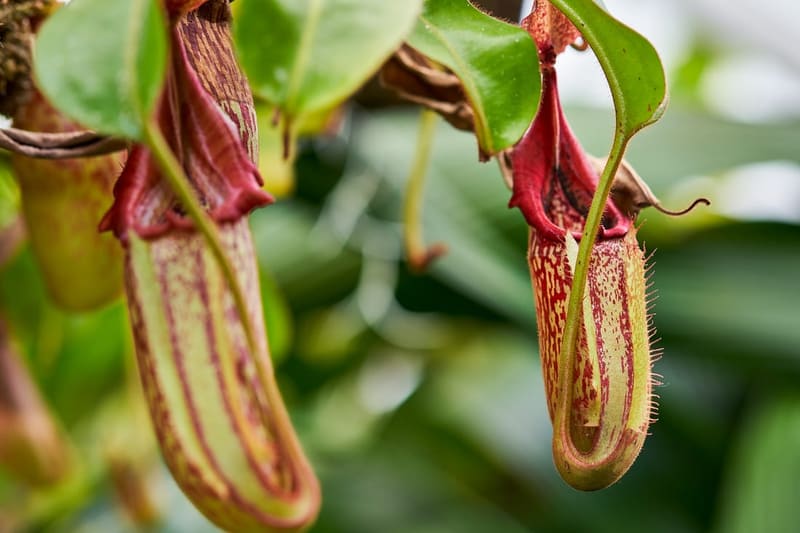
Tropical Pitcher Plant
The tropical pitcher plant is a carnivorous vine that grows dangling pitcher-shaped traps filled with digestive fluid. It is generally pet-safe but demanding about humidity and water purity, so it suits committed growers.
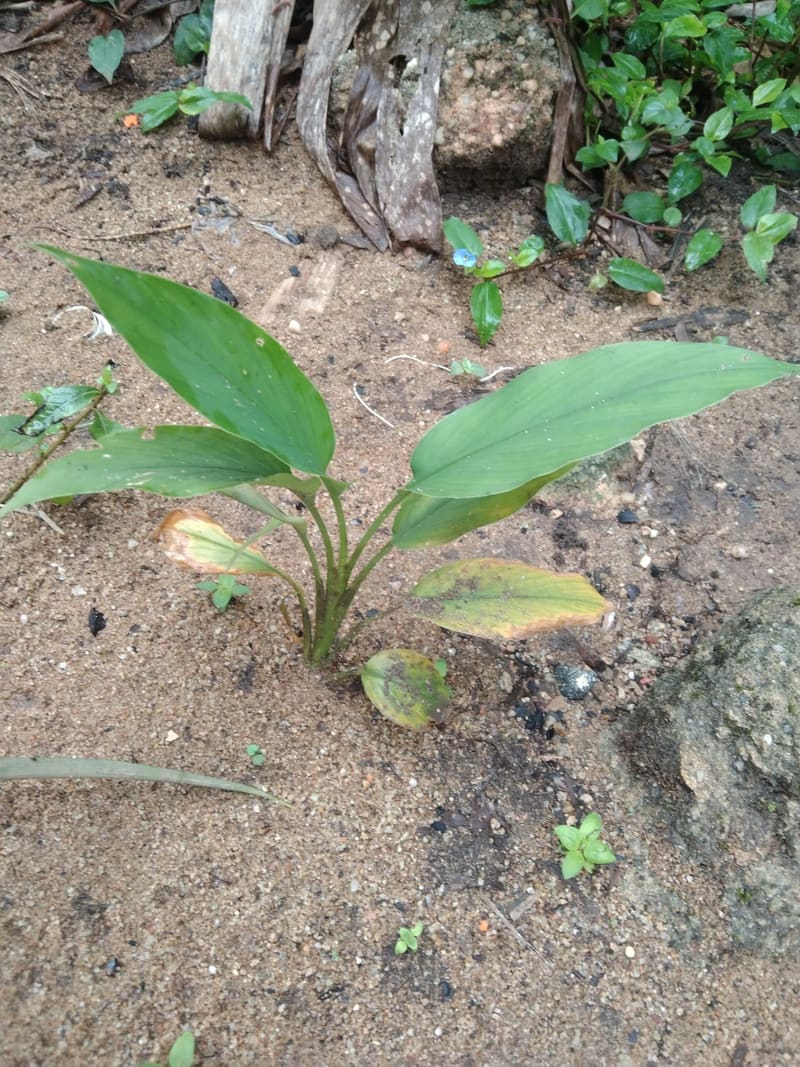
Turmeric
Turmeric grows exactly like its relative ginger — a piece of fresh rhizome, warmth, and patience — and carries handsome broad leaves while it works. It is a long crop, but the foliage earns its place on the way to a harvest of fresh roots.
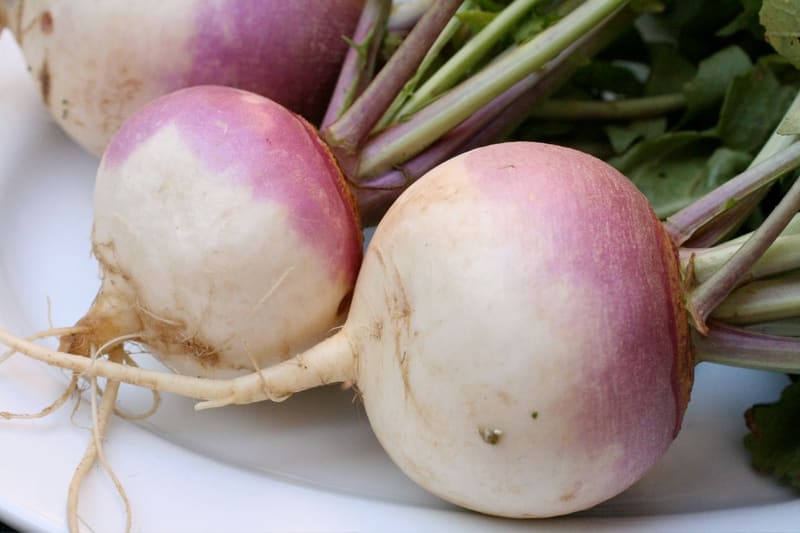
Turnip
Turnips are a quick cool-season root that doubles as a leafy green, and they size up faster than most root crops. Give them a reasonably deep pot and steady moisture for tender, mild roots.
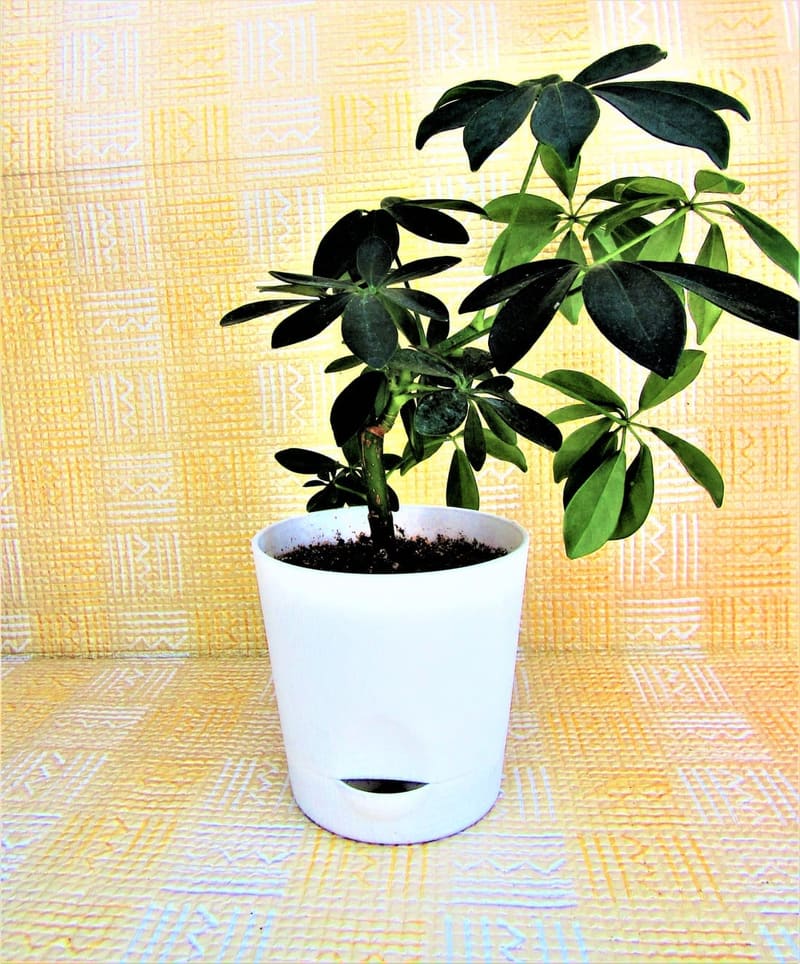
Umbrella Plant
The umbrella plant is an easygoing, bushy foliage plant whose leaflets radiate like the spokes of an umbrella. It is toxic to cats and dogs if chewed.
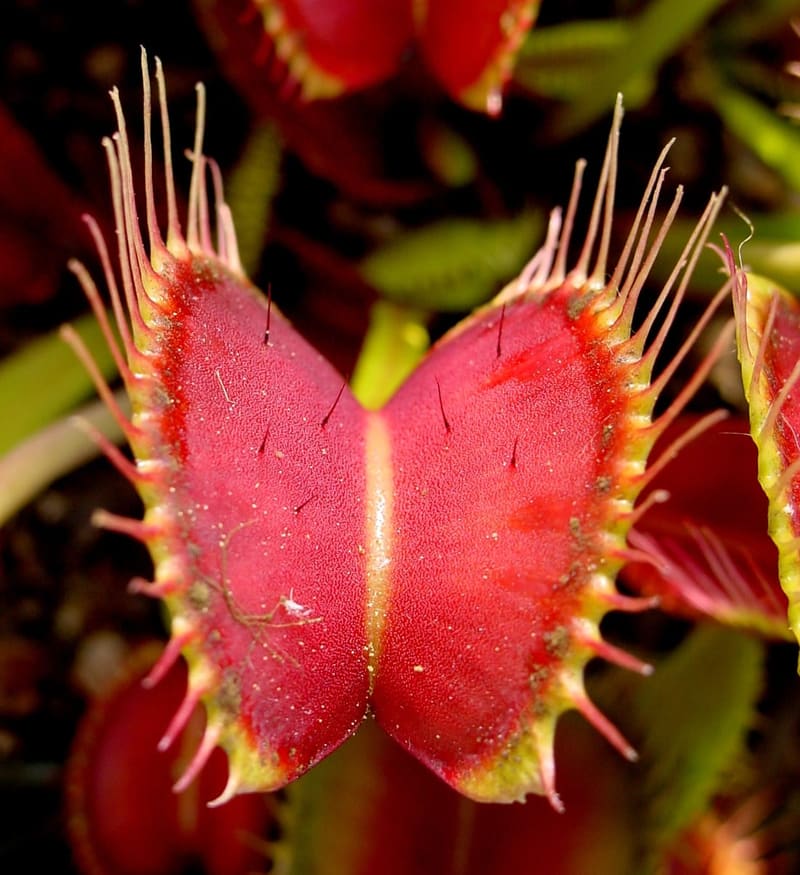
Venus Flytrap
The Venus flytrap is a fascinating carnivorous plant with snapping traps, but it is demanding about water purity and light, so it suits patient growers. It is pet-safe.
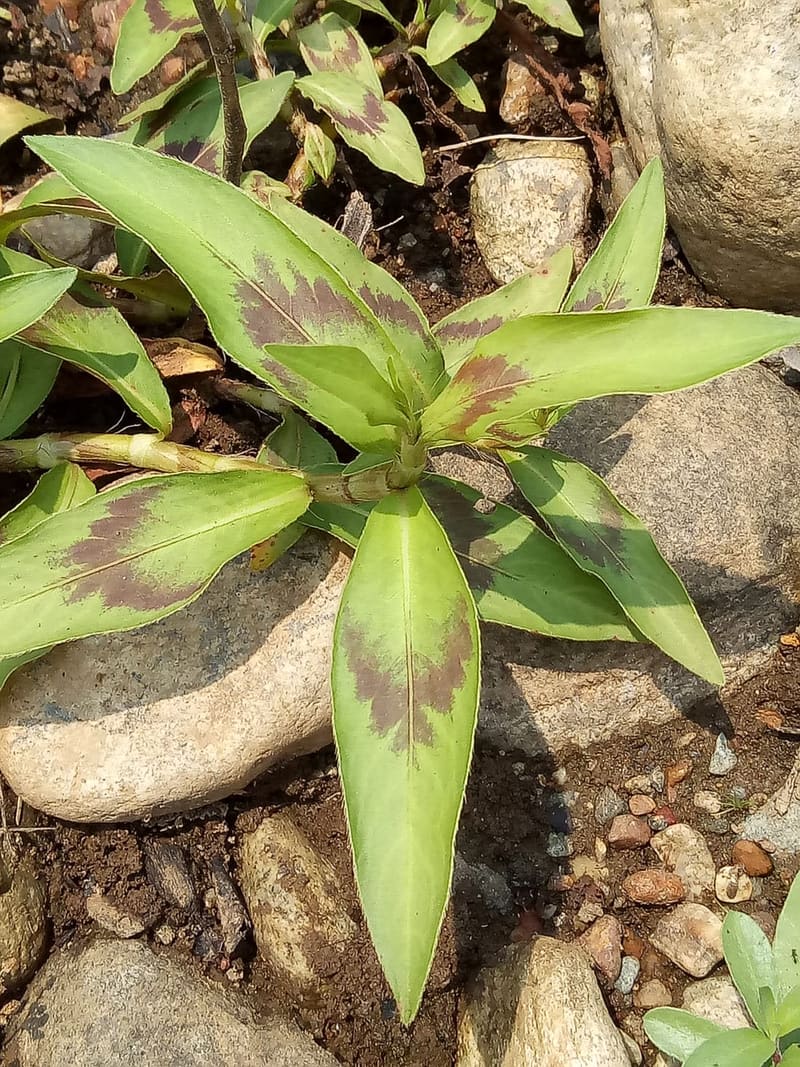
Vietnamese Coriander (Rau Răm)
Vietnamese coriander is a sprawling, heat-loving perennial whose leaves give a citrusy, cilantro-like flavor without the bolting problem of true cilantro. It likes warmth, moisture, and humidity, which makes it a good indoor herb.
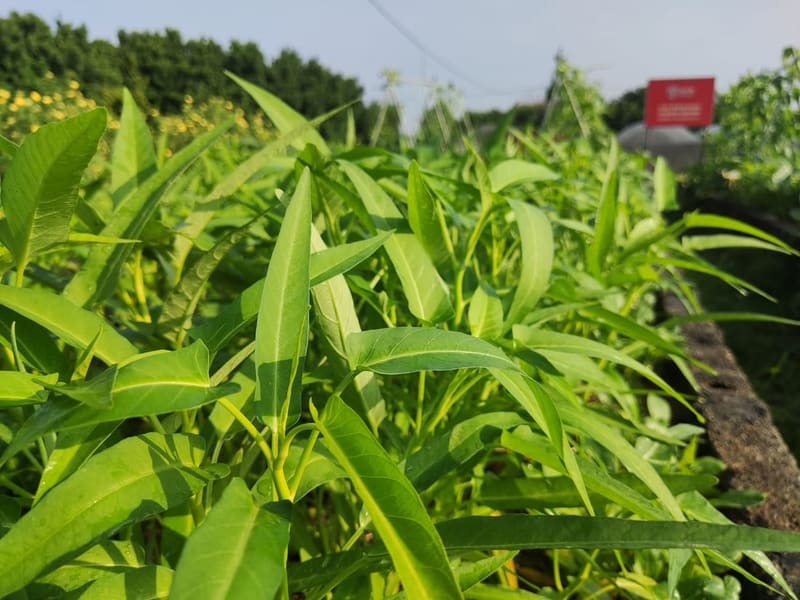
Water Spinach / Kangkong
Water spinach (kangkong, ong choy) is a defining green of Philippine, Vietnamese, Thai, and southern Chinese cooking, prized for tender stems that stay crisp in a stir-fry. It loves heat and constant moisture. Note it is a regulated invasive in parts of the US — check local rules before growing.
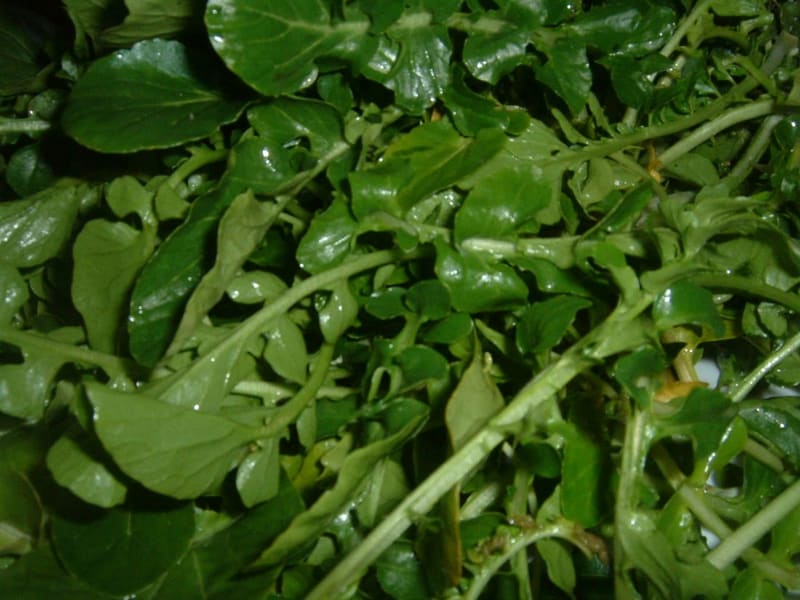
Watercress
Watercress is an unusually easy regrow-from-the-store green, but its catch is that it wants to stay constantly wet. Stand it in a tray of water on a bright sill and snip the peppery tips.
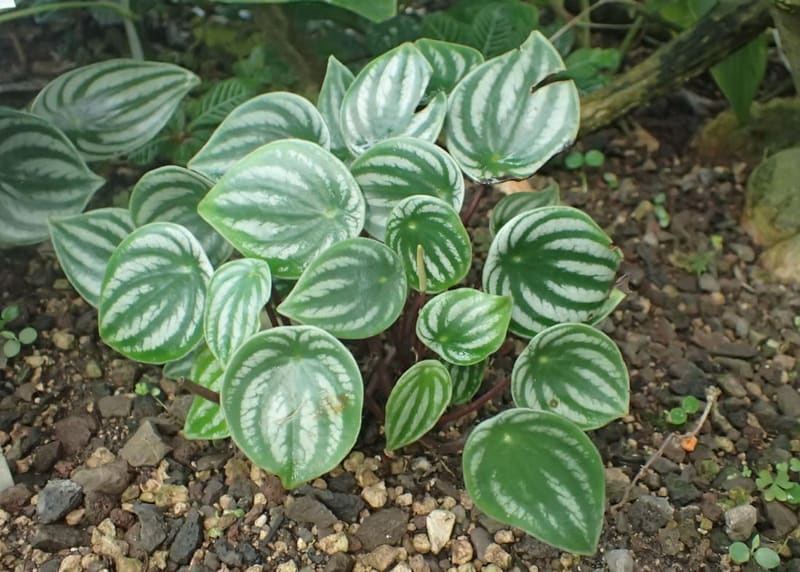
Watermelon Peperomia
Watermelon peperomia earns its name from the silver-and-green striped leaves that really do look like watermelon rind. It is compact, pet-safe, and easy — it stores water in its leaves, so it forgives a missed watering more than it forgives a soggy pot.
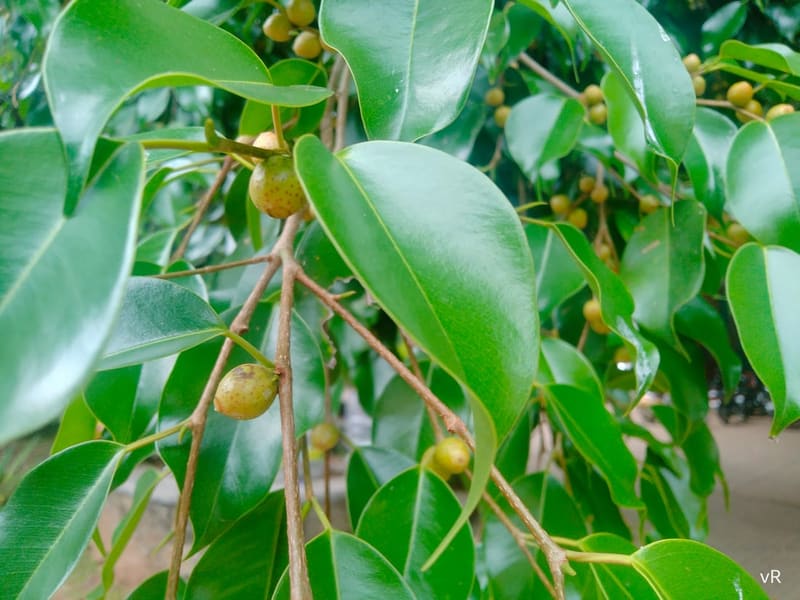
Weeping Fig
The weeping fig is a graceful indoor tree with small glossy leaves on arching branches, known for dropping leaves whenever its conditions change. Its sap is toxic to pets and can irritate skin.
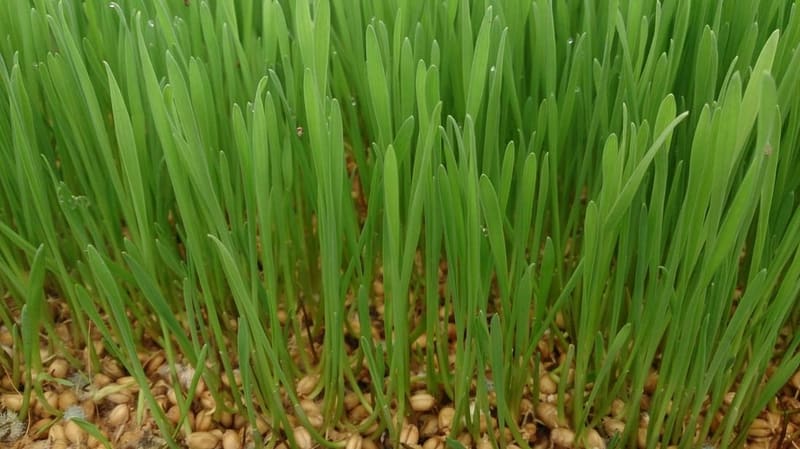
Wheatgrass
Wheatgrass is the classic grow-it-on-the-counter crop for juicing, going from soaked grain to a cuttable mat in about a week with no sunny window needed. It doubles as cat grass, and it is non-toxic to pets.
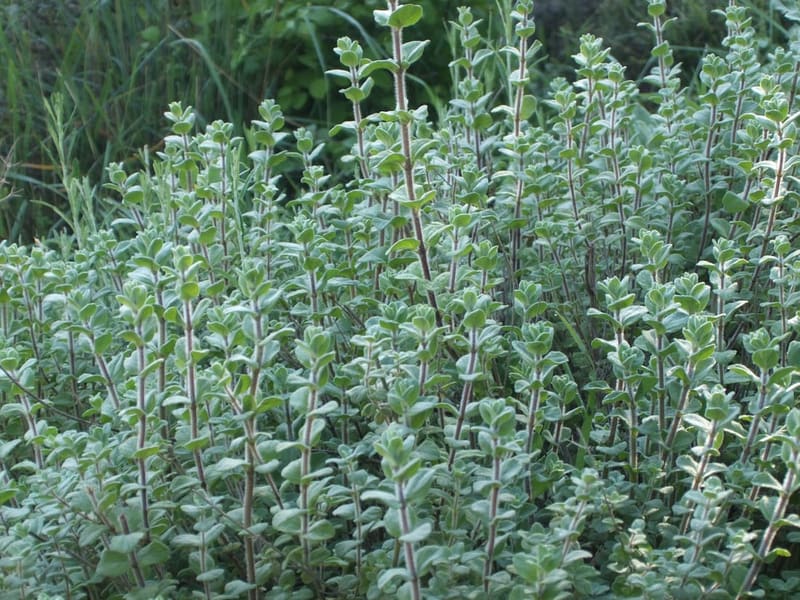
Za'atar / Syrian Oregano
Syrian oregano is the herb behind the Levantine za’atar blend, central to Lebanese, Palestinian, Syrian, and Jordanian cooking. Like its Mediterranean relatives it wants a sunny, dry-ish pot and asks very little.
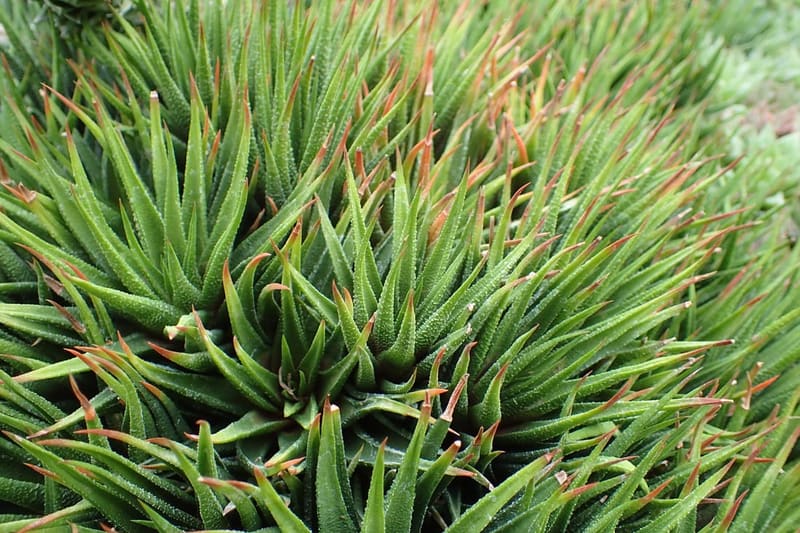
Zebra Plant (Haworthia)
The zebra plant is a small, slow-growing succulent with stiff dark leaves banded in white, and it is generally considered pet-safe. It is well suited to small pots and bright windowsills.
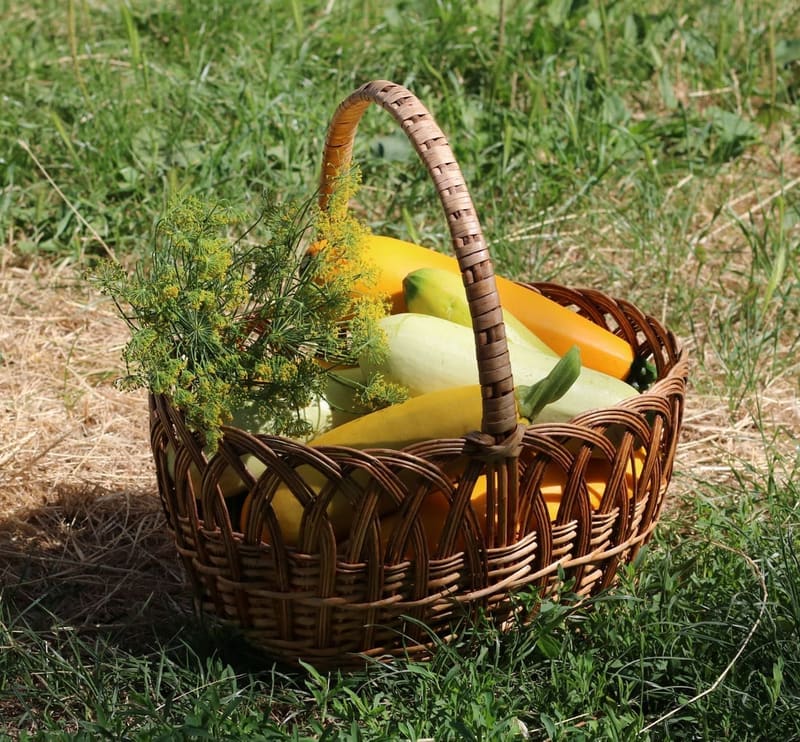
Zucchini (Bush Courgette)
Bush zucchini varieties stay more compact than sprawling types and crop heavily once they start, but a single plant still needs a large pot and the brightest light you can give. Hand-pollination is usually needed indoors.
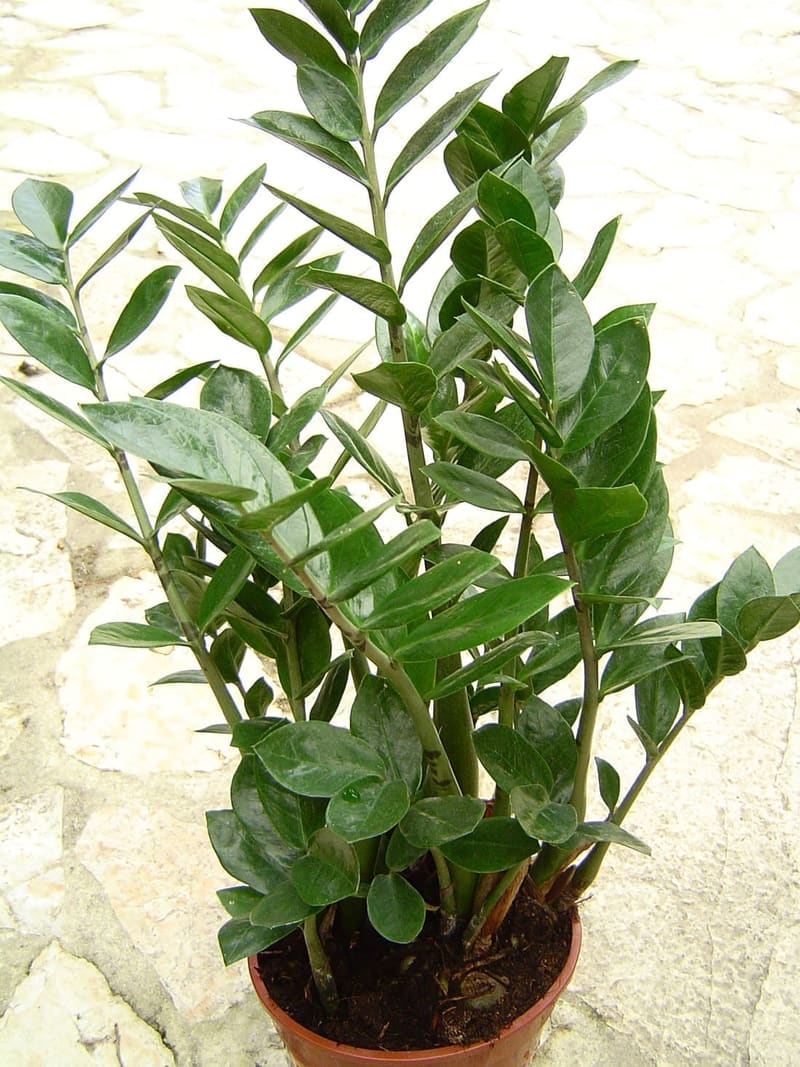
ZZ Plant
The ZZ plant thrives on neglect, low light, and infrequent watering, making it a solid choice for forgetful or low-light growers. It is toxic to pets if chewed.