foliage
DecorativeSpider Plant
Chlorophytum comosum
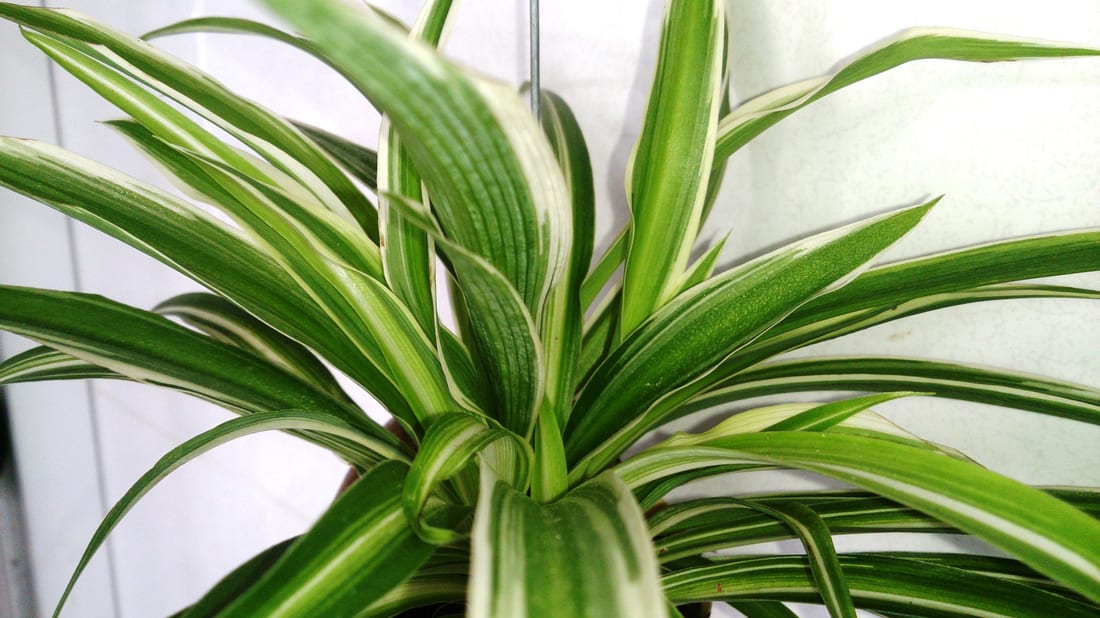
Considered non-toxic to cats and dogs (source: ASPCA).
Some direct sun — an east or west window, or a few hours of direct light.
Keep evenly moist — water when the top inch of soil is dry.
Forgiving and beginner-friendly.
The spider plant is easy, fast-growing, and pet-safe, and it readily produces baby plantlets you can pot up. A good first houseplant.
About Spider Plant
The spider plant (Chlorophytum comosum) is a fast, cheerful plant that throws out baby plantlets on long stems. It originates in tropical and southern Africa and has been a windowsill staple for generations. The arching grassy leaves form a clump about a third of a metre tall, and the dangling plantlets root easily into their own pots. It grows quickly in medium light and, unlike many popular houseplants, it is safe around cats and dogs, which makes it a relaxed first choice in a rental.
Give it medium, indirect light to keep any variegation crisp and water it when the top of the soil starts to dry. The main quirk is sensitivity to minerals in tap water, which can brown the leaf tips. Using filtered water or water that's been left to stand overnight helps. Pot up the plantlets whenever you want more plants to keep or give away.
What it’s like to grow
Spider plants are tough and quick to bounce back, with two telltale signs. Brown leaf tips usually trace to hard tap water or dry air rather than anything serious. Pale, washed-out leaves mean it wants more light. It handles the odd missed watering without drama. This is a strong pick for beginners, households with pets, and anyone who likes propagating, since it is non-toxic to cats and dogs and hands you new plants for free.
What to expect
It’s forgiving, so it’s a good one to learn on. No sunny window? It also does fine under a clip-on grow light.
See what you’ll need to get started ↓Grow it alongside
Houseplants that want the same light, water and humidity are happy sharing a spot. See what thrives with Spider Plant →
Tips
- Pot up the plantlets ("spiderettes") to make new plants.
- Bright indirect light keeps variegation crisp.
- Use filtered or stood water to reduce leaf-tip browning.
Common problems
- Brown leaf tips from tap-water minerals or dry air.
- Pale, washed-out leaves in too little light.
Common questions
Is Spider Plant toxic to cats and dogs?
Spider Plant is non-toxic to cats and dogs, which makes it a safe pick if you have pets. Source: ASPCA.
How much light does Spider Plant need?
Spider Plant does best in medium, indirect light: near an east or west window, or a little back from a bright one. Direct midday sun can scorch it.
How often should I water Spider Plant?
Water Spider Plant when the top inch of soil feels dry, then let it drain. Aim for evenly moist, not soggy.
What temperature does Spider Plant need?
Spider Plant is happiest around 18–27 °C. It tolerates brief dips to about 7 °C, but cold drafts and sudden chills set it back.
Can I grow Spider Plant without a sunny window?
Yes. Spider Plant does well under an affordable clip-on grow light, so a bright window isn't essential.
How big does Spider Plant get?
An arching clump of grassy leaves ~0.3 m tall that dangles plantlets on long stems.
How do I propagate Spider Plant?
Root the baby plantlets that form on the arching flower stems in water or soil.
What pests affect Spider Plant?
Watch for spider mites, aphids, scale and mealybugs. Check new growth and the undersides of leaves often, and treat early with a rinse or insecticidal soap before they spread.
Is Spider Plant easy to grow?
Yes. Spider Plant is forgiving and one of the better plants to learn on.
Gear for Spider Plant
Gear suggestions to get you started — general picks, not paid placements.
Pet-toxicity from the ASPCA. Care details are general guidance, not professional or veterinary advice. Photo: Mokkie, CC BY-SA 3.0, via Wikimedia Commons (CC-BY-SA). Care info last updated 2026-06-02.