herb
EdibleEpazote
Dysphania ambrosioides
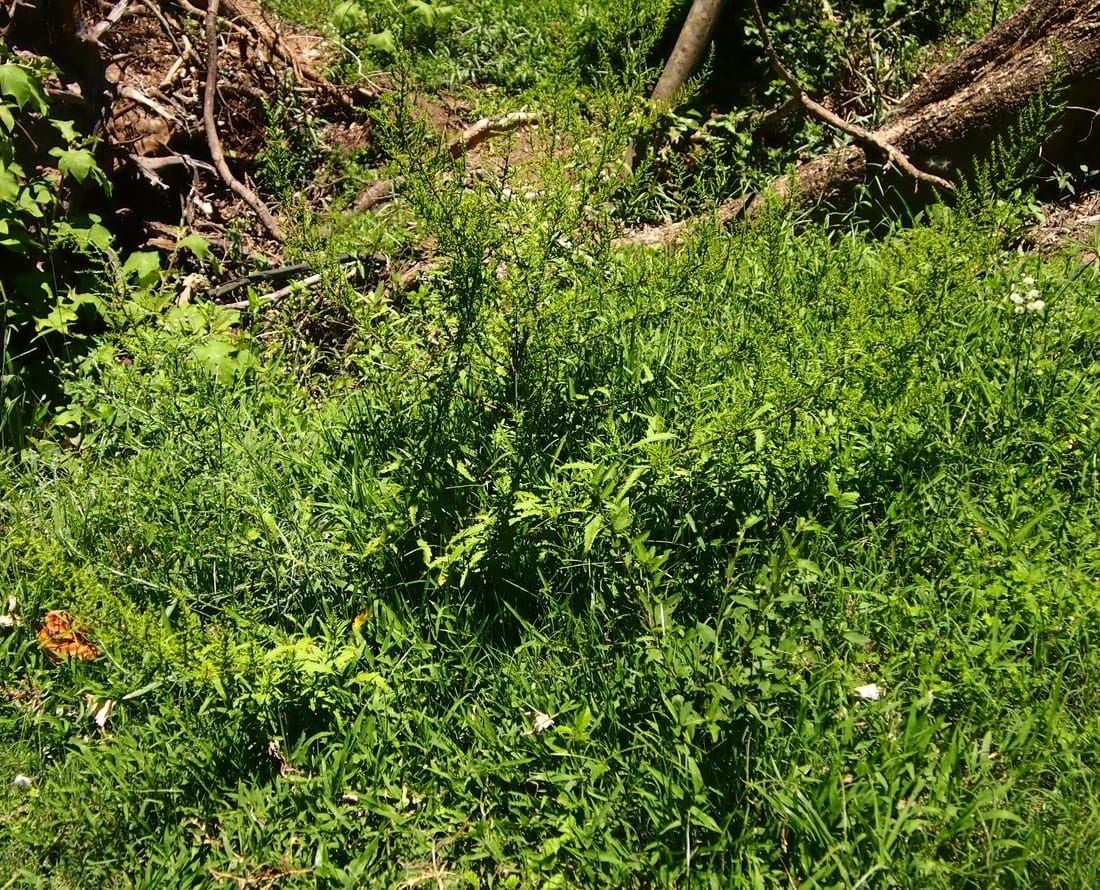
Toxic to cats and dogs — keep it out of reach (source: Contains ascaridole; toxic in quantity to pets and people).
A sunny south-facing window with 6+ hours, or a grow light.
Let the soil dry out between waterings; it dislikes staying wet.
Forgiving and beginner-friendly.
Epazote is the signature herb of Mexican bean and quesadilla cooking, used in small amounts for its sharp, distinctive flavour. It is easy and vigorous, but its essential oil is toxic in quantity, so it is a flavouring, not a salad green.
About Epazote
Epazote (Dysphania ambrosioides) is the herb behind Mexican pots of beans, where a sprig or two adds its sharp, unmistakable flavour and is said to ease the beans on the stomach. It grows wild and easily across the Americas. For a renter it suits a 4-litre pot in a bright spot, and it is happier contained, since it self-seeds and spreads given the chance.
The care is simple: bright light and a pot it cannot escape. Let the soil dry between waterings, and use the leaves sparingly, because a little goes a long way. A first cutting comes around 50 to 70 days. One real caution shapes how you grow it. Epazote's essential oil contains ascaridole, which is toxic in quantity, so it is a flavouring used in small amounts, not a leaf to eat by the handful.
What it’s like to grow
Epazote is easy and vigorous, almost too vigorous. Left to flower it self-seeds into nearby pots, so remove the flower heads if you want to keep it in check. Legginess points to weak light. Beyond that it asks for little. It is toxic to cats, dogs, and people in quantity, so site it where animals cannot graze on it and treat it as a seasoning rather than a salad green.
What to expect
First harvest in about 50–70 days. It’s forgiving, so it’s a good one to learn on. No sunny window? It also does fine under a clip-on grow light.
See what you’ll need to get started ↓Tips
- Keep it in its own pot — it self-seeds and spreads if it gets the chance.
- Use it sparingly; a little goes a long way.
- Give it bright light and let the soil dry between waterings.
Common problems
- Self-seeding into nearby pots if flowers are left to set.
- Legginess in weak light.
Common questions
Is Epazote toxic to cats and dogs?
Epazote is toxic to cats and dogs if eaten, so keep it out of reach of pets that chew. Source: Contains ascaridole; toxic in quantity to pets and people.
How much light does Epazote need?
Epazote wants bright light — a south-facing window with six or more hours of sun, or a grow light to make up for it.
How often should I water Epazote?
Water Epazote sparingly. Let the soil dry out fully between waterings — it's far more likely to rot from overwatering than to suffer from neglect.
What temperature does Epazote need?
Epazote is happiest around 15–30 °C. It tolerates brief dips to about 0 °C, but cold drafts and sudden chills set it back.
How long does Epazote take to grow?
Expect a first harvest about 50–70 days from sowing under good conditions. A vigorous plant gives more pungent leaf than most kitchens need; a sprig or two flavours a pot of beans.
Can I grow Epazote without a sunny window?
Yes. Epazote does well under an affordable clip-on grow light, so a bright window isn't essential.
How big does Epazote get?
An upright branching herb ~0.5–1 m tall; keep one plant confined to its own pot.
How do I propagate Epazote?
Sow seed; it readily self-seeds if flowers are left to set.
What pests affect Epazote?
Watch for aphids. Check new growth and the undersides of leaves often, and treat early with a rinse or insecticidal soap before they spread.
Is Epazote easy to grow?
Yes. Epazote is forgiving and one of the better plants to learn on.
Gear for Epazote
Gear suggestions to get you started — general picks, not paid placements.
Pet-toxicity from the ASPCA. Care details are general guidance, not professional or veterinary advice; only eat plants you can positively identify as the edible plant and part described. Photo: Mark Marathon, CC BY-SA 4.0, via Wikimedia Commons (CC-BY-SA). Care info last updated 2026-06-08.