fruiting
EdibleTomatillo
Physalis philadelphica
Toxic to cats and dogs — keep it out of reach (source: ASPCA (nightshade foliage; ripe fruit is the edible part)).
A sunny south-facing window with 6+ hours, or a grow light.
Keep evenly moist — water when the top inch of soil is dry.
Needs a little consistency, but nothing fancy.
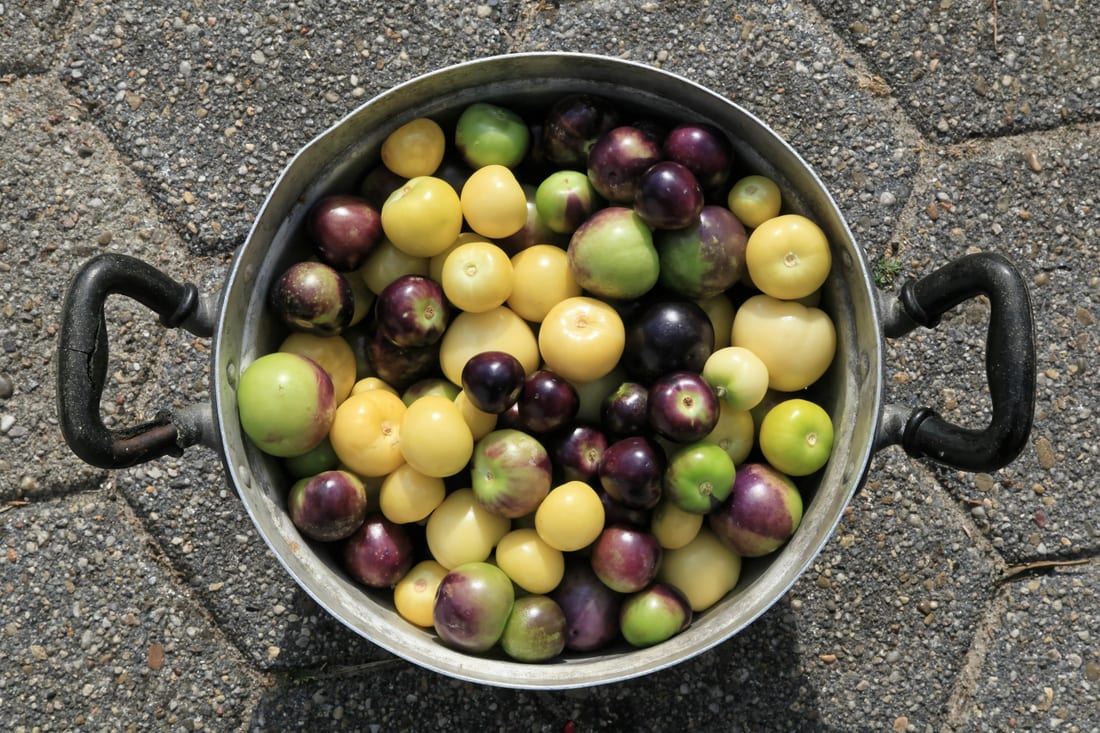
Tomatillos are a sprawling nightshade grown for the tart, husk-wrapped fruit at the base of salsa verde. They need strong light and ideally a second plant nearby, since most varieties don’t self-pollinate well.
About Tomatillo
The tomatillo (Physalis philadelphica) is a nightshade native to Mexico and Central America, grown for the tart, husk-wrapped fruit that anchors salsa verde. It is the sour green cousin of the tomato rather than a sweet one. In a rental it works on a sunny balcony or by your brightest window with a strong grow light, though it needs an 11-litre pot and a stake or cage from the start. The stems sprawl and flop under fruit weight, so support them before they fall.
Most varieties don't pollinate themselves well, so plan to grow at least two plants near each other or fruit set will be poor. Give them bright light and steady, even water at the moderate level they prefer. Pick each fruit when its husk fills out and splits and the tomatillo inside feels firm. From sowing, a first real harvest usually lands around 75 to 100 days.
What it’s like to grow
Tomatillos are moderate to grow, more about logistics than fussiness. The two clear signals are structural and reproductive: lanky stems that collapse without a cage, and flowers that set little or no fruit when only one plant is present. Keep them bright, water at a steady medium, and grow a pair for cross-pollination. The foliage is toxic to cats and dogs, and only the ripe fruit is edible, so it's one for a grower with floor space who keeps pets clear of the leaves.
What to expect
First harvest in about 75–100 days. It asks for a little consistency, but nothing fancy. No sunny window? It also does fine under a clip-on grow light.
See what you’ll need to get started ↓Companions
Tips
- Grow at least two plants for cross-pollination, or fruit set will be poor.
- Stake or cage the lanky stems early — they flop under fruit weight.
- Pick when the husk fills out and splits; the fruit inside should be firm.
Common problems
- Few or no fruit from growing a single plant (poor pollination).
- Floppy, sprawling growth that needs support.
Common questions
Is Tomatillo toxic to cats and dogs?
Tomatillo is toxic to cats and dogs if eaten, so keep it out of reach of pets that chew. Source: ASPCA (nightshade foliage; ripe fruit is the edible part).
How much light does Tomatillo need?
Tomatillo wants bright light — a south-facing window with six or more hours of sun, or a grow light to make up for it.
How often should I water Tomatillo?
Water Tomatillo when the top inch of soil feels dry, then let it drain. Aim for evenly moist, not soggy.
What temperature does Tomatillo need?
Tomatillo is happiest around 18–29 °C. It tolerates brief dips to about 7 °C, but cold drafts and sudden chills set it back.
How long does Tomatillo take to grow?
Expect a first harvest about 75–100 days from sowing under good conditions. A productive plant can set dozens of husk-wrapped fruits over a season, but you generally need two plants for good pollination.
Can I grow Tomatillo without a sunny window?
Yes. Tomatillo does well under an affordable clip-on grow light, so a bright window isn't essential.
How big does Tomatillo get?
A sprawling plant ~0.6–1 m tall needing support; grow two plants for pollination.
How do I propagate Tomatillo?
Start seed indoors in warmth and transplant; grow two plants for cross-pollination.
What pests affect Tomatillo?
Watch for aphids, whiteflies, spider mites and flea beetles. Check new growth and the undersides of leaves often, and treat early with a rinse or insecticidal soap before they spread.
Is Tomatillo easy to grow?
Tomatillo is moderately easy. It asks for some consistency with light and water, but nothing advanced.
Gear for Tomatillo
Gear suggestions to get you started — general picks, not paid placements.
Pet-toxicity from the ASPCA. Care details are general guidance, not professional or veterinary advice; only eat plants you can positively identify as the edible plant and part described. Photo: Frank Vincentz, CC BY-SA 3.0, via Wikimedia Commons (CC-BY-SA). Care info last updated 2026-06-02.