herb
EdibleLemon Balm
Melissa officinalis
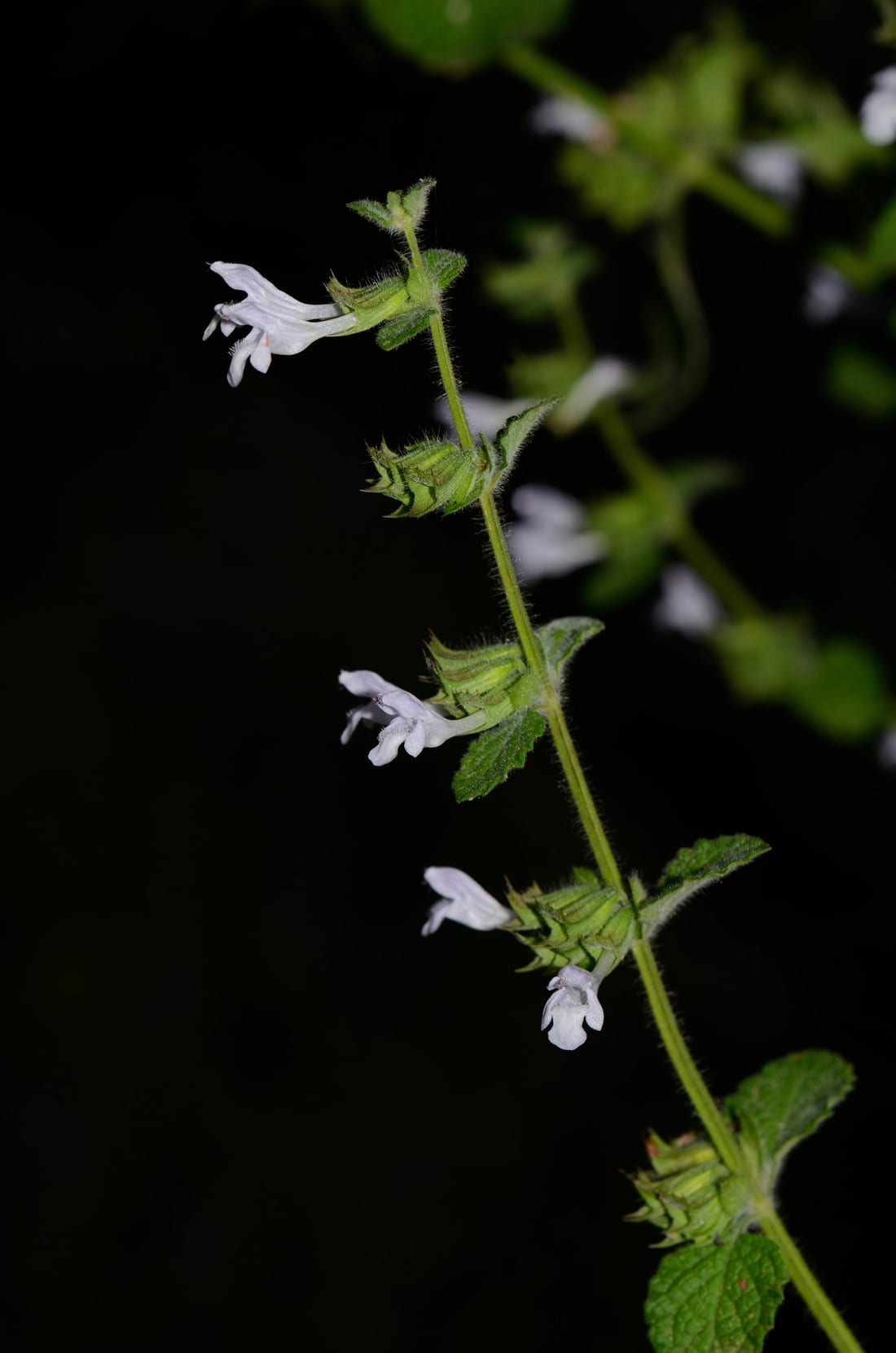
Considered non-toxic to cats and dogs (source: ASPCA).
Some direct sun — an east or west window, or a few hours of direct light.
Keep evenly moist — water when the top inch of soil is dry.
Forgiving and beginner-friendly.
Lemon balm is an easy, forgiving mint relative grown for its lemon-scented leaves used in teas and cooking. Like mint it can spread, so keep it in its own pot.
About Lemon Balm
Lemon balm (Melissa officinalis) is a mint-family herb grown for its lemon-scented leaves, used in teas and cooking. It comes from the eastern Mediterranean and western Asia and has been a garden herb for centuries. Like its mint relatives it's vigorous and easy, which makes it a low-effort choice for a windowsill. It does spread at the base, so keep it confined to its own 3-litre pot rather than sharing. A cut sprig also roots in water, so one plant can become several.
It takes medium light, so it doesn't need your brightest window, and it grows fine under a clip-on light. Pinch the tips often to keep it bushy and to hold off flowering, since the lemon scent is strongest in the leaves before it blooms. It bushes out to around 0.3 to 0.5 m. There's little fuss beyond giving it room and regular picking. Leaves are ready to harvest from about 60 to 80 days.
What it’s like to grow
Lemon balm is forgiving and hard to kill, much like mint. Leggy, sparse growth means it wants more light or more frequent pinching. In stagnant, humid air it can pick up powdery mildew, so give it some airflow. It takes medium water and isn't fussy about timing. It's non-toxic to cats and dogs, which makes it safe around a kitchen where pets wander. A relaxed pick for a beginner who wants a fragrant, useful herb and won't mind keeping a spreader in its own container.
What to expect
First harvest in about 60–80 days. It’s forgiving, so it’s a good one to learn on. No sunny window? It also does fine under a clip-on grow light.
See what you’ll need to get started ↓♻ Regrow from scraps
Root a cut sprig in water until roots appear, then pot it up; it also spreads from its base.
Companions
Tips
- Pinch the tips often to keep it bushy and delay flowering.
- Grow it in its own container since it spreads at the base like mint.
- Harvest leaves before flowering for the strongest lemon scent.
Common problems
- Leggy, sparse growth in low light.
- Powdery mildew in stagnant, humid air.
Common questions
Is Lemon Balm toxic to cats and dogs?
Lemon Balm is non-toxic to cats and dogs, which makes it a safe pick if you have pets. Source: ASPCA.
How much light does Lemon Balm need?
Lemon Balm does best in medium, indirect light: near an east or west window, or a little back from a bright one. Direct midday sun can scorch it.
How often should I water Lemon Balm?
Water Lemon Balm when the top inch of soil feels dry, then let it drain. Aim for evenly moist, not soggy.
What temperature does Lemon Balm need?
Lemon Balm is happiest around 16–27 °C. It tolerates brief dips to about -5 °C, but cold drafts and sudden chills set it back.
How long does Lemon Balm take to grow?
Expect a first harvest about 60–80 days from sowing under good conditions. A vigorous mint-family herb that gives repeated handfuls of lemony leaves once established.
Can I grow Lemon Balm without a sunny window?
Yes. Lemon Balm does well under an affordable clip-on grow light, so a bright window isn't essential.
How big does Lemon Balm get?
A bushy spreading herb ~0.3–0.5 m tall; grow one plant per pot.
How do I propagate Lemon Balm?
Root a cut sprig in water until roots appear, then pot it up.
What pests affect Lemon Balm?
Watch for aphids, spider mites, whitefly and thrips. Check new growth and the undersides of leaves often, and treat early with a rinse or insecticidal soap before they spread.
Is Lemon Balm easy to grow?
Yes. Lemon Balm is forgiving and one of the better plants to learn on.
Gear for Lemon Balm
Gear suggestions to get you started — general picks, not paid placements.
Pet-toxicity from the ASPCA. Care details are general guidance, not professional or veterinary advice; only eat plants you can positively identify as the edible plant and part described. Photo: Gideon Pisanty (Gidip), CC BY 3.0, via Wikimedia Commons (CC-BY). Care info last updated 2026-06-02.