root
EdibleKohlrabi
Brassica oleracea (Gongylodes Group)
Considered non-toxic to cats and dogs (source: ASPCA (not listed; brassica)).
A sunny south-facing window with 6+ hours, or a grow light.
Keep evenly moist — water when the top inch of soil is dry.
Forgiving and beginner-friendly.
Kohlrabi forms a crisp, mild swollen stem just above the soil and grows quickly for a brassica. Both the bulb and the leaves are edible.
About Kohlrabi
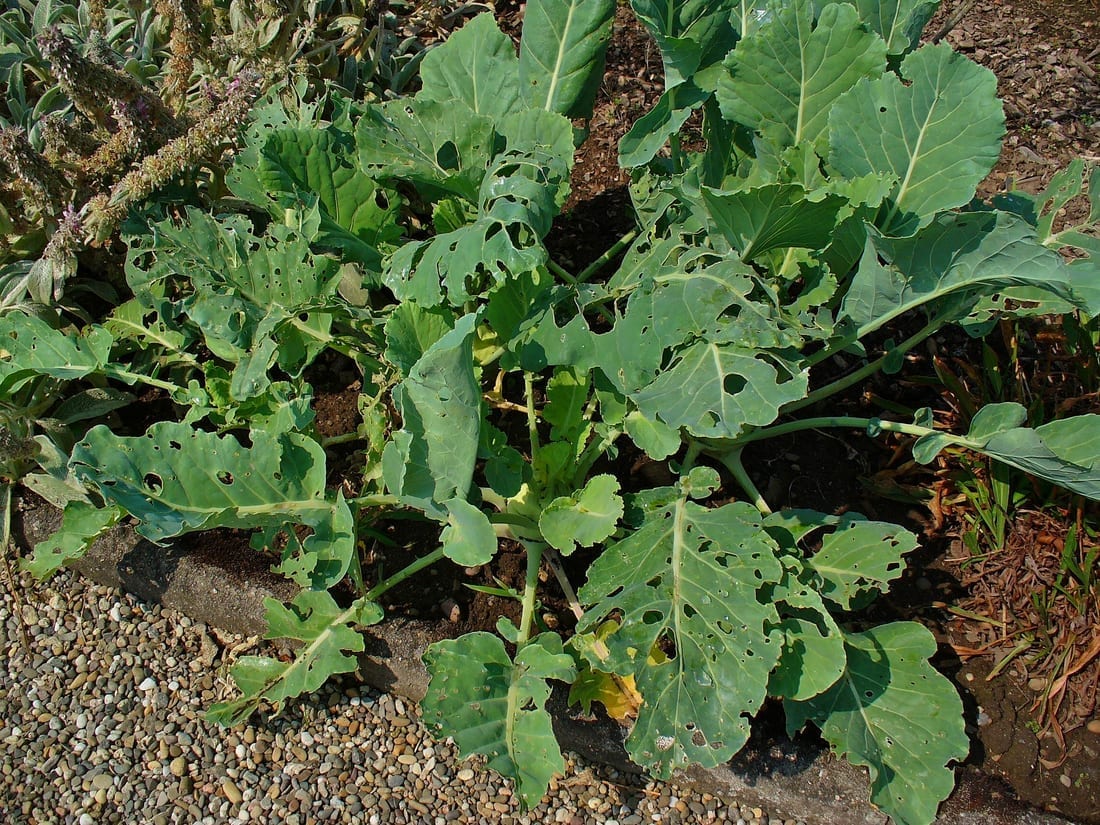
Kohlrabi (Brassica oleracea, Gongylodes Group) is a cabbage relative bred in Europe for its swollen, crisp stem that sits just above the soil. It tastes mild and a little like a sweet broccoli stalk, and both the bulb and the leaves are edible. It grows quickly for a brassica and stays compact, so several plants spaced across a 5-litre pot make a realistic indoor crop for a bright windowsill.
The key is steady, even growth. Keep the moisture consistent and the bulbs stay tender; let the plant dry out and stall, and they turn woody. Don't bury the swelling stem, since it forms at the surface rather than underground. Harvest while each bulb is somewhere between golf-ball and tennis-ball sized, because past that they get tough and split. From sowing, that point usually arrives around 45 to 60 days.
What it’s like to grow
Kohlrabi is an easy, fast brassica that mostly asks for consistency. The trouble shows up in the bulb: tough, cracked, or woody stems come from heat, drying out, or leaving it too long before harvest. Like its cabbage cousins it draws aphids and cabbage worms, so check the leaf undersides if it lives near outdoor air. It wants bright light and moderate, even watering. It is a solid pick for a beginner who likes a quick result, and it is non-toxic to cats and dogs.
What to expect
First harvest in about 45–60 days. It’s forgiving, so it’s a good one to learn on. No sunny window? It also does fine under a clip-on grow light.
See what you’ll need to get started ↓Companions
Tips
- Harvest when the bulb is golf-ball to tennis-ball sized; larger ones turn woody.
- Keep growth steady with even moisture so bulbs stay tender.
- Don’t bury the bulb — it swells at the soil surface.
Common problems
- Tough, woody, or cracked bulbs from heat, stress, or late harvest.
- Aphids and cabbage worms like other brassicas.
Common questions
Is Kohlrabi toxic to cats and dogs?
Kohlrabi is non-toxic to cats and dogs, which makes it a safe pick if you have pets. Source: ASPCA (not listed; brassica).
How much light does Kohlrabi need?
Kohlrabi wants bright light — a south-facing window with six or more hours of sun, or a grow light to make up for it.
How often should I water Kohlrabi?
Water Kohlrabi when the top inch of soil feels dry, then let it drain. Aim for evenly moist, not soggy.
What temperature does Kohlrabi need?
Kohlrabi is happiest around 13–24 °C. It tolerates brief dips to about -5 °C, but cold drafts and sudden chills set it back.
How long does Kohlrabi take to grow?
Expect a first harvest about 45–60 days from sowing under good conditions. Each plant forms one crisp, apple-like swollen stem; the leaves are also edible like kale.
Can I grow Kohlrabi without a sunny window?
Yes. Kohlrabi does well under an affordable clip-on grow light, so a bright window isn't essential.
How big does Kohlrabi get?
A leafy plant ~0.2–0.3 m tall over a swollen stem; space several across a pot.
How do I propagate Kohlrabi?
Sow seed and thin seedlings so each plant has room to swell its stem.
What pests affect Kohlrabi?
Watch for aphids, flea beetles, whitefly and cabbage loopers. Check new growth and the undersides of leaves often, and treat early with a rinse or insecticidal soap before they spread.
Is Kohlrabi easy to grow?
Yes. Kohlrabi is forgiving and one of the better plants to learn on.
Gear for Kohlrabi
Gear suggestions to get you started — general picks, not paid placements.
Pet-toxicity from the ASPCA. Care details are general guidance, not professional or veterinary advice; only eat plants you can positively identify as the edible plant and part described. Photo: H. Zell, CC BY-SA 3.0, via Wikimedia Commons (CC-BY-SA). Care info last updated 2026-06-02.