herb
EdibleRosemary
Salvia rosmarinus
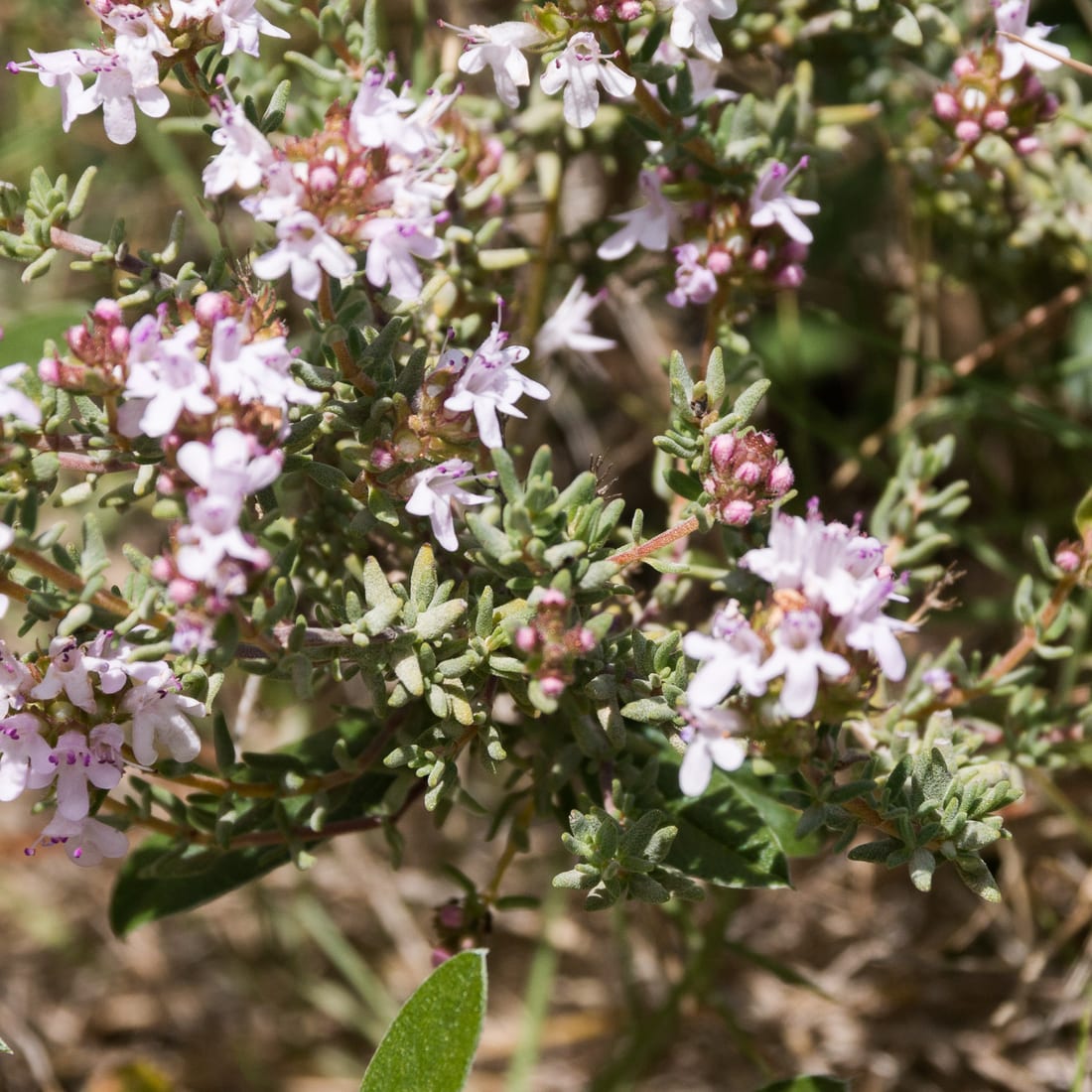
Considered non-toxic to cats and dogs (source: ASPCA).
A sunny south-facing window with 6+ hours, or a grow light.
Let the soil dry out between waterings; it dislikes staying wet.
Needs a little consistency, but nothing fancy.
Rosemary is a drought-tolerant woody herb that prefers a bright spot and dislikes wet feet. It is slow to establish but then long-lived and low-maintenance.
About Rosemary
Rosemary (Salvia rosmarinus) is a drought-tolerant woody herb from the Mediterranean coast, where it grows on dry, sunny hillsides. That origin tells you what it wants indoors: a bright spot and soil that's allowed to dry out. For a renter it fits a 4-litre pot and the brightest window you have. It's slow to establish, but once settled it becomes a small shrub you snip sprigs from year-round.
Watering is where rosemary lives or dies. Let the top of the soil dry between waterings, because it hates sitting wet, and give it as much light as you can. Buying a small plant beats starting from seed, which is slow and erratic. A first real harvest tends to come around 80 to 120 days as it fills out. Stagnant, humid air can bring powdery mildew, so keep some airflow around it.
What it’s like to grow
Rosemary is rated moderate, and the difficulty is almost entirely about water. Its low water needs mean overwatering or poor drainage can cause root rot and a sudden collapse, often with little warning. Powdery mildew shows up in still, humid air. If you tend to underwater rather than over, and you have a bright window, you'll get on with it. Rosemary is non-toxic to cats and dogs, so it's a safe woody herb to keep around pets.
What to expect
First harvest in about 80–120 days. It asks for a little consistency, but nothing fancy. No sunny window? It also does fine under a clip-on grow light.
See what you’ll need to get started ↓♻ Regrow from scraps
Root a 10–15 cm softwood cutting in water or moist soil over several weeks, then pot it up.
Companions
Tips
- Let the top of the soil dry out between waterings; rosemary hates staying soggy.
- Give it the brightest window you have or a strong grow light.
- Buy a small plant rather than starting from seed, which is slow and erratic.
Common problems
- Root rot and sudden collapse from overwatering or poor drainage.
- Powdery mildew in stagnant, humid indoor air.
Common questions
Is Rosemary toxic to cats and dogs?
Rosemary is non-toxic to cats and dogs, which makes it a safe pick if you have pets. Source: ASPCA.
How much light does Rosemary need?
Rosemary wants bright light — a south-facing window with six or more hours of sun, or a grow light to make up for it.
How often should I water Rosemary?
Water Rosemary sparingly. Let the soil dry out fully between waterings — it's far more likely to rot from overwatering than to suffer from neglect.
What temperature does Rosemary need?
Rosemary is happiest around 15–27 °C. It tolerates brief dips to about -7 °C, but cold drafts and sudden chills set it back.
How long does Rosemary take to grow?
Expect a first harvest about 80–120 days from sowing under good conditions. A slow starter that becomes a small woody shrub you can snip sprigs from year-round once established.
Can I grow Rosemary without a sunny window?
Yes. Rosemary does well under an affordable clip-on grow light, so a bright window isn't essential.
How big does Rosemary get?
A woody upright shrub ~0.4–0.6 m tall and wide; grow one plant per pot.
How do I propagate Rosemary?
Root a 10 to 15 cm softwood cutting in moist soil over several weeks, then pot up.
What pests affect Rosemary?
Watch for spider mites, aphids, whitefly and mealybugs. Check new growth and the undersides of leaves often, and treat early with a rinse or insecticidal soap before they spread.
Is Rosemary easy to grow?
Rosemary is moderately easy. It asks for some consistency with light and water, but nothing advanced.
Gear for Rosemary
Gear suggestions to get you started — general picks, not paid placements.
Pet-toxicity from the ASPCA. Care details are general guidance, not professional or veterinary advice; only eat plants you can positively identify as the edible plant and part described. Photo: Daniel VILLAFRUELA, CC BY-SA 4.0, via Wikimedia Commons (CC-BY-SA). Care info last updated 2026-06-02.