fruiting
EdibleSnow Pea / Mangetout
Pisum sativum var. macrocarpon
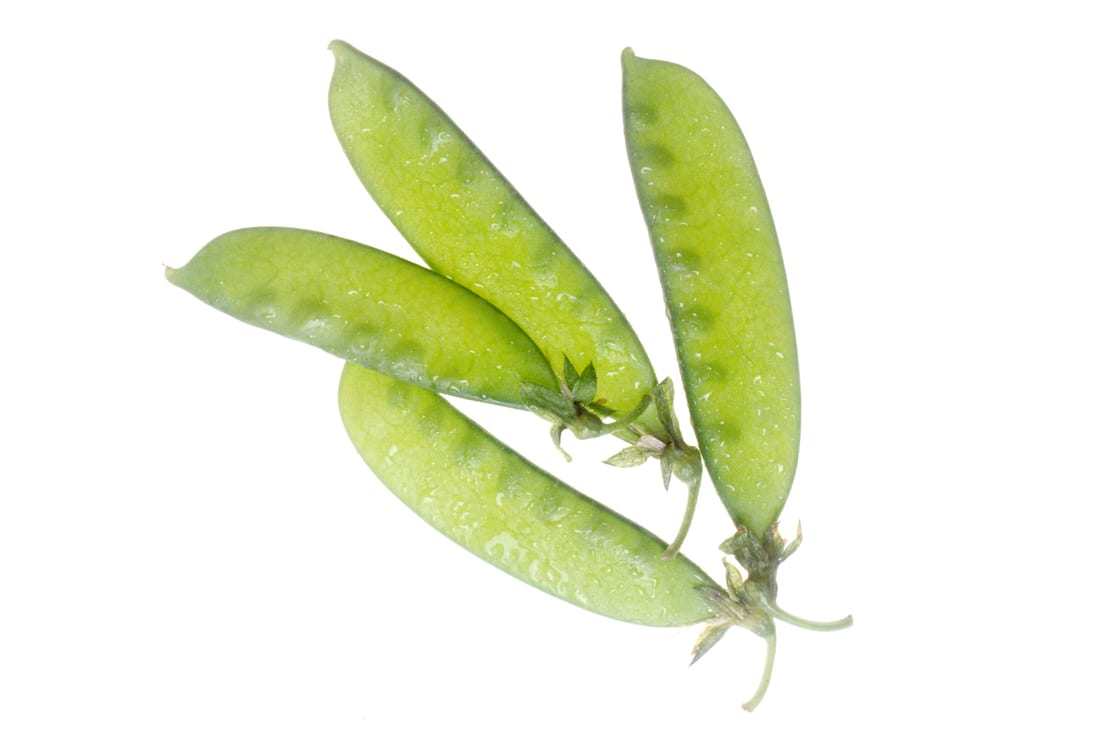
Considered non-toxic to cats and dogs (source: ASPCA (not listed; food pea)).
A sunny south-facing window with 6+ hours, or a grow light.
Keep evenly moist — water when the top inch of soil is dry.
Forgiving and beginner-friendly.
Snow peas are a cool-season climber harvested young for flat, tender, edible pods, sweet enough to eat raw. They need a support to climb and prefer cooler conditions.
About Snow Pea / Mangetout
Snow peas (Pisum sativum var. macrocarpon), also called mangetout, are a cool-season climber grown for flat, tender pods you eat whole, pod and all, often raw. Peas are an old Mediterranean and Near Eastern crop, and these edible-pod types are picked young before the seeds swell. They climb, so they suit a renter with vertical room: a 6-litre pot and some netting or strings against a bright window or balcony rail. Set the support up before sowing so the tendrils have something to grab.
Snow peas are easy and prefer things on the cooler side, fading once it turns hot. Give them bright light and steady, moderate water. Pick the pods young and flat, before the peas inside start to bulge, and the vines keep flowering for several weeks. A first picking usually comes around 55 to 70 days from sowing.
What it’s like to grow
Snow peas are forgiving and a good beginner climber. Two things tell you to act: pods left too long turn tough and fibrous, and warm, stagnant air invites powdery mildew on the leaves. Pick often and keep some airflow around the vines. They like cool conditions and bright light, with even watering at the medium level. Non-toxic to cats and dogs, they're a safe and low-drama pick for anyone with a trellis or a bit of window height and a preference for cooler-weather growing.
What to expect
First harvest in about 55–70 days. It’s forgiving, so it’s a good one to learn on. No sunny window? It also does fine under a clip-on grow light.
See what you’ll need to get started ↓Companions
Tips
- Give them a trellis, netting, or strings to climb from the start.
- Pick pods young and flat, before the peas inside swell.
- Keep them cool; they fade fast once it turns hot.
Common problems
- Tough, fibrous pods from picking too late.
- Powdery mildew on leaves in warm, stagnant air.
Common questions
Is Snow Pea / Mangetout toxic to cats and dogs?
Snow Pea / Mangetout is non-toxic to cats and dogs, which makes it a safe pick if you have pets. Source: ASPCA (not listed; food pea).
How much light does Snow Pea / Mangetout need?
Snow Pea / Mangetout wants bright light — a south-facing window with six or more hours of sun, or a grow light to make up for it.
How often should I water Snow Pea / Mangetout?
Water Snow Pea / Mangetout when the top inch of soil feels dry, then let it drain. Aim for evenly moist, not soggy.
What temperature does Snow Pea / Mangetout need?
Snow Pea / Mangetout is happiest around 13–21 °C. It tolerates brief dips to about -2 °C, but cold drafts and sudden chills set it back.
How long does Snow Pea / Mangetout take to grow?
Expect a first harvest about 55–70 days from sowing under good conditions. A few vines on a small trellis give regular handfuls of flat, edible-pod peas over several weeks of picking.
Can I grow Snow Pea / Mangetout without a sunny window?
Yes. Snow Pea / Mangetout does well under an affordable clip-on grow light, so a bright window isn't essential.
How big does Snow Pea / Mangetout get?
A climbing vine ~1–1.5 m tall that needs a trellis; sow several along the support.
How do I propagate Snow Pea / Mangetout?
Sow seed directly where it will grow and give the vines a trellis to climb.
What pests affect Snow Pea / Mangetout?
Watch for aphids, spider mites and thrips. Check new growth and the undersides of leaves often, and treat early with a rinse or insecticidal soap before they spread.
Is Snow Pea / Mangetout easy to grow?
Yes. Snow Pea / Mangetout is forgiving and one of the better plants to learn on.
Gear for Snow Pea / Mangetout
Gear suggestions to get you started — general picks, not paid placements.
Pet-toxicity from the ASPCA. Care details are general guidance, not professional or veterinary advice; only eat plants you can positively identify as the edible plant and part described. Photo: Renee Comet / National Cancer Institute, public domain, via Wikimedia Commons (PD). Care info last updated 2026-06-02.