leafy green
EdibleCelery
Apium graveolens var. dulce
Considered non-toxic to cats and dogs (source: ASPCA (not specifically listed; generally regarded safe)).
A sunny south-facing window with 6+ hours, or a grow light.
Likes consistently moist soil; don’t let it dry out.
Needs a little consistency, but nothing fancy.
Celery is the classic regrow-from-scraps vegetable, sprouting fresh leaves and slender stalks from a leftover base. Full thick supermarket-style stalks are hard indoors, but the leaves and thin stalks are usable and steady. It needs a lot of water.
About Celery
Celery (Apium graveolens var. dulce) is grown for its crunchy stalks and aromatic leaves. It descends from wild celery found in Mediterranean and European marshes, which hints at what it wants most: water. For a renter the classic way in is from scraps. Stand a cut grocery base in shallow water until fresh growth appears from the center, then move it to soil. The thick, blanched supermarket stalks are hard to match indoors, but the leaves and slender stalks are usable and steady.
It wants bright light and a lot of water, more than most herbs, and grows to around 0.3 to 0.4 m in a 6-litre pot. Keep the soil consistently moist, since dryness turns the stalks stringy and bitter. Harvest outer stalks and leaves and let the center keep growing. It's rated moderate, largely because of its long season and thirst. A usable harvest usually runs around 85 to 120 days.
What it’s like to grow
Celery is demanding mainly about water and time. Thin, stringy, or bitter stalks come from heat or letting the soil dry out, so keep it consistently moist. Stress can also make it bolt to seed. Set your expectations toward leaves and slim stalks rather than fat store-style ribs indoors. It needs bright light and rates as a high-water crop. It's non-toxic to cats and dogs. Best for a patient grower who doesn't mind watering often and is happy to use the flavorful leaves and thin stalks in cooking.
What to expect
First harvest in about 85–120 days. It asks for a little consistency, but nothing fancy. No sunny window? It also does fine under a clip-on grow light.
See what you’ll need to get started ↓♻ Regrow from scraps
Stand a cut celery base in shallow water until new growth appears from the center, then pot it up.
Companions
Tips
- Regrow from a grocery base in water first, then move it to soil for bigger growth.
- Keep the soil consistently moist — celery is thirsty and stringy if dry.
- Harvest outer stalks and leaves and let the center keep growing.
Common problems
- Thin, stringy, or bitter stalks from heat or inconsistent watering.
- Bolting to seed if stressed.
Common questions
Is Celery toxic to cats and dogs?
Celery is non-toxic to cats and dogs, which makes it a safe pick if you have pets. Source: ASPCA (not specifically listed; generally regarded safe).
How much light does Celery need?
Celery wants bright light — a south-facing window with six or more hours of sun, or a grow light to make up for it.
How often should I water Celery?
Keep Celery's soil consistently moist. It likes regular water and dislikes drying out, so check it often in warm or dry rooms.
What temperature does Celery need?
Celery is happiest around 16–21 °C. It tolerates brief dips to about 2 °C, but cold drafts and sudden chills set it back.
How long does Celery take to grow?
Expect a first harvest about 85–120 days from sowing under good conditions. Indoor stalks tend to be thinner than store celery, but you can harvest outer stalks and leaves over time.
Can I grow Celery without a sunny window?
Yes. Celery does well under an affordable clip-on grow light, so a bright window isn't essential.
How big does Celery get?
An upright stalky plant ~0.3–0.4 m tall; grow a few spaced in a deeper pot.
How do I propagate Celery?
Start from seed, or regrow a leftover stalk base stood in shallow water.
What pests affect Celery?
Watch for aphids, whitefly, spider mites and thrips. Check new growth and the undersides of leaves often, and treat early with a rinse or insecticidal soap before they spread.
Is Celery easy to grow?
Celery is moderately easy. It asks for some consistency with light and water, but nothing advanced.
Gear for Celery
Gear suggestions to get you started — general picks, not paid placements.
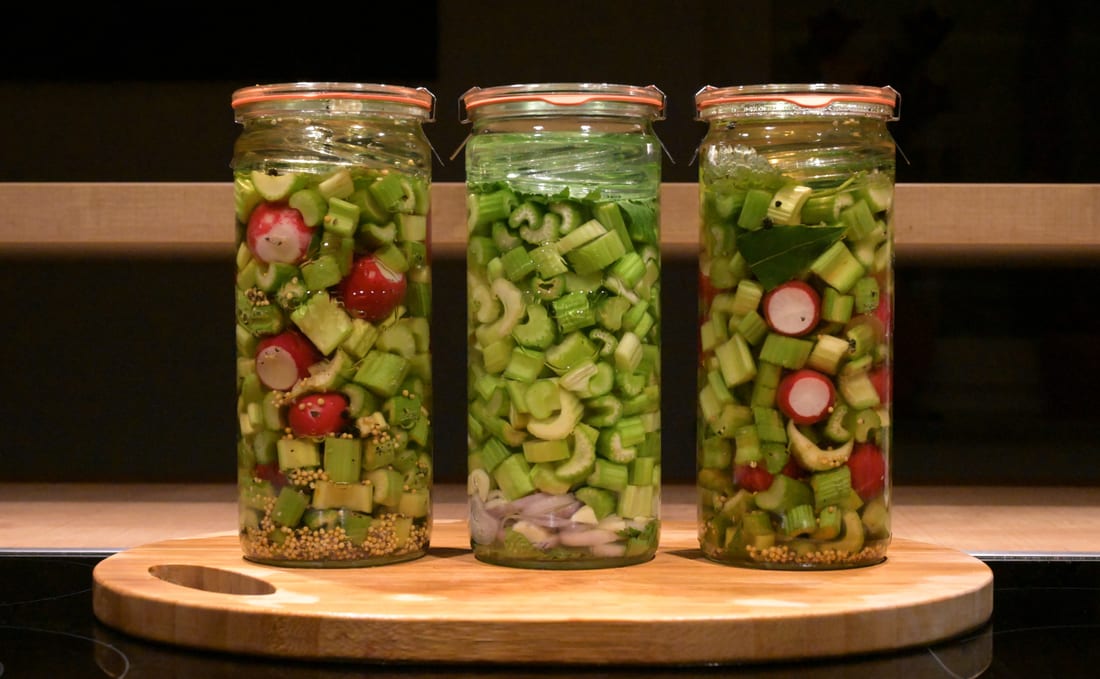
Pet-toxicity from the ASPCA. Care details are general guidance, not professional or veterinary advice; only eat plants you can positively identify as the edible plant and part described. Photo: Simon Mannweiler, CC BY-SA 4.0, via Wikimedia Commons (CC-BY-SA). Care info last updated 2026-06-02.