herb
EdibleChives
Allium schoenoprasum
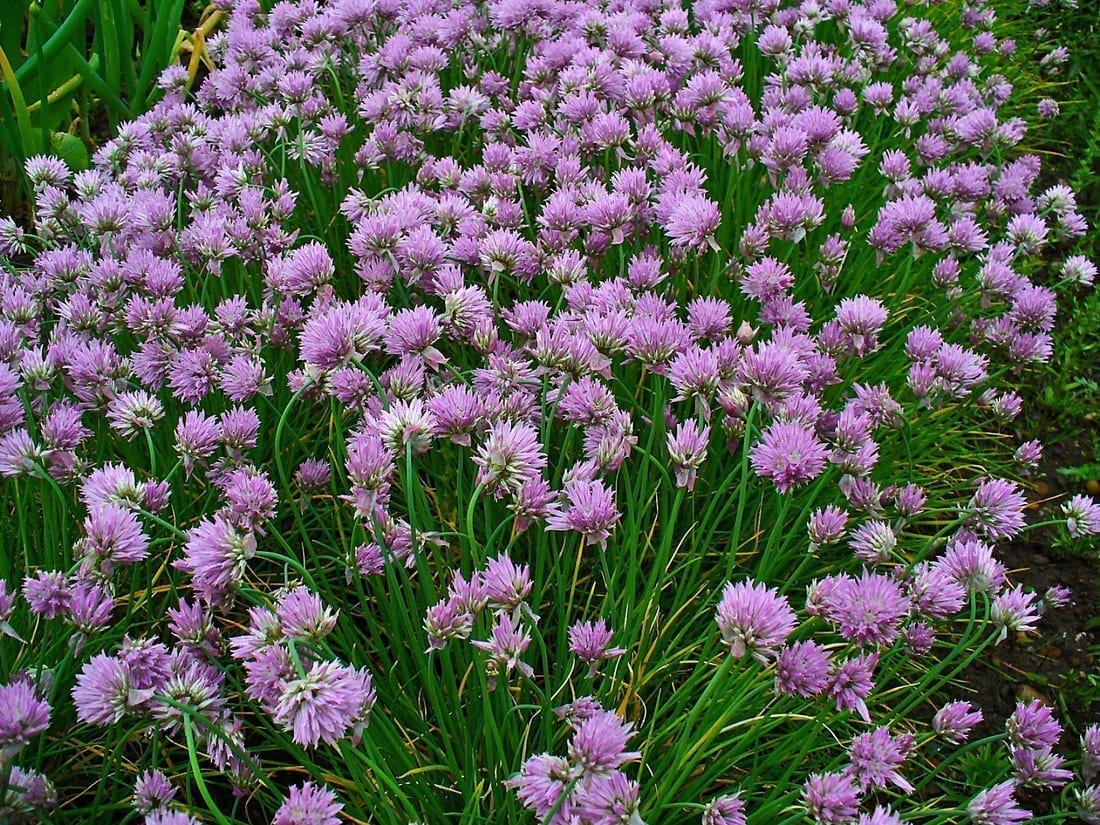
Toxic to cats and dogs — keep it out of reach (source: ASPCA).
Some direct sun — an east or west window, or a few hours of direct light.
Keep evenly moist — water when the top inch of soil is dry.
Forgiving and beginner-friendly.
Chives are an easy, compact onion-family herb you snip like grass and they keep regrowing from the base. Note the whole onion family is toxic to cats and dogs, so site them out of reach.
About Chives
Chives (Allium schoenoprasum) are an easy, compact onion-family herb you snip like grass, and they keep regrowing from the base. The species is native across the cooler parts of the Northern Hemisphere, from Europe through Asia and North America. For a renter they fit a small 2-litre pot in medium light and form a tidy clump you can cut from over a long season. They're less drought-tolerant than the woody herbs, so keep the soil lightly moist.
Cut whole stems near the base rather than just snipping the tips, which lets them regrow cleanly. A first harvest comes around 60 to 90 days. Snip off flower buds to keep the leaves tender, though the flowers themselves are edible. Over time the clump thins, at which point dividing it into smaller bunches and replanting brings it back.
What it’s like to grow
Chives are easy and tidy, a low-effort herb for a windowsill clump. They show stress through yellowing, flopping tips, usually after the soil dries out or once the plant flowers. Thinning clumps over the years are normal and respond well to division. Keep the soil lightly moist, since chives won't take the dryness a woody herb shrugs off. One caution: the onion family is toxic to cats and dogs, so site the pot out of reach.
What to expect
First harvest in about 60–90 days. It’s forgiving, so it’s a good one to learn on. No sunny window? It also does fine under a clip-on grow light.
See what you’ll need to get started ↓♻ Regrow from scraps
Divide an existing clump into smaller bunches and replant; each piece regrows.
Companions
Tips
- Cut whole stems near the base rather than just the tips so they regrow cleanly.
- Keep soil lightly moist; chives are less drought-tolerant than woody herbs.
- Snip off flower buds to keep the leaves tender (the flowers are edible too).
Common problems
- Yellowing, flopping tips if left to dry out or after flowering.
- Thinning clumps over time that benefit from dividing and replanting.
Common questions
Is Chives toxic to cats and dogs?
Chives is toxic to cats and dogs if eaten, so keep it out of reach of pets that chew. Source: ASPCA.
How much light does Chives need?
Chives does best in medium, indirect light: near an east or west window, or a little back from a bright one. Direct midday sun can scorch it.
How often should I water Chives?
Water Chives when the top inch of soil feels dry, then let it drain. Aim for evenly moist, not soggy.
What temperature does Chives need?
Chives is happiest around 13–24 °C. It tolerates brief dips to about -15 °C, but cold drafts and sudden chills set it back.
How long does Chives take to grow?
Expect a first harvest about 60–90 days from sowing under good conditions. A tidy clump you snip repeatedly; it regrows from the base for many cuttings over a long season.
Can I grow Chives without a sunny window?
Yes. Chives does well under an affordable clip-on grow light, so a bright window isn't essential.
How big does Chives get?
A grassy clumping herb ~0.2–0.3 m tall; grow as a dense clump in one pot.
How do I propagate Chives?
Divide an established clump into smaller bunches and replant; each piece regrows.
What pests affect Chives?
Watch for thrips, aphids and onion flies. Check new growth and the undersides of leaves often, and treat early with a rinse or insecticidal soap before they spread.
Is Chives easy to grow?
Yes. Chives is forgiving and one of the better plants to learn on.
Gear for Chives
Gear suggestions to get you started — general picks, not paid placements.
Pet-toxicity from the ASPCA. Care details are general guidance, not professional or veterinary advice; only eat plants you can positively identify as the edible plant and part described. Photo: H. Zell, CC BY-SA 3.0, via Wikimedia Commons (CC-BY-SA). Care info last updated 2026-06-02.