herb
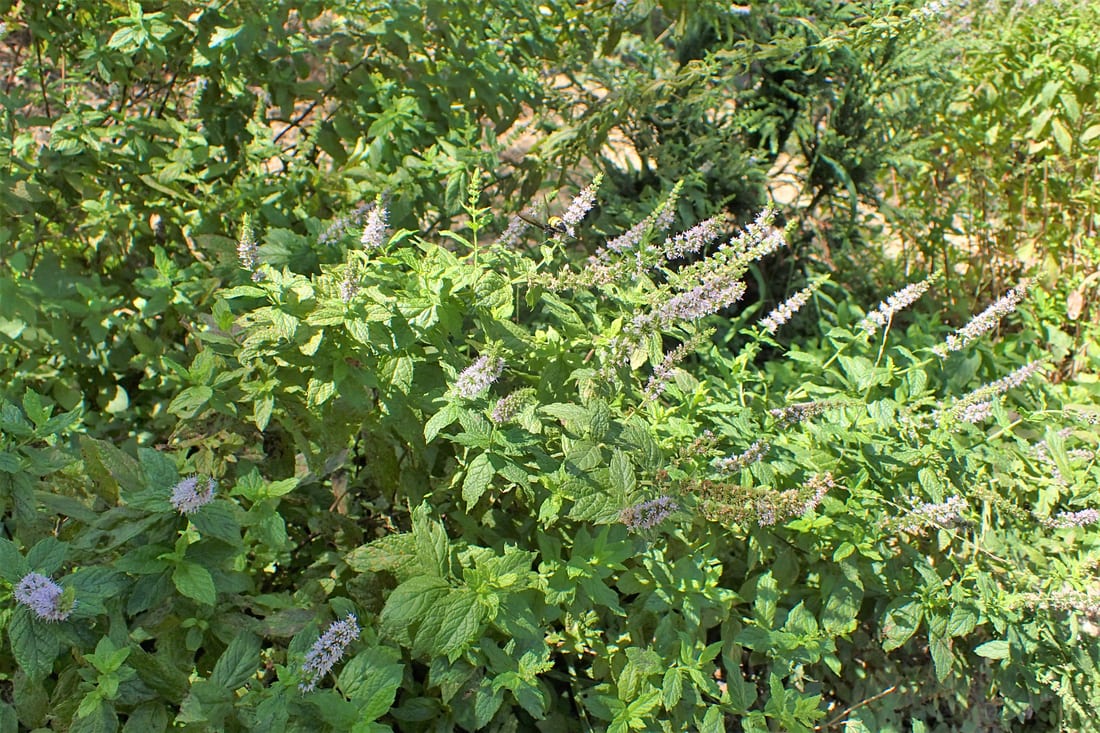
EdibleMint (Spearmint)
Mentha spicata
Toxic to cats and dogs — keep it out of reach (source: ASPCA).
Some direct sun — an east or west window, or a few hours of direct light.
Likes consistently moist soil; don’t let it dry out.
Forgiving and beginner-friendly.
Mint is nearly unkillable and tolerates lower light than most herbs, but it spreads aggressively so keep it in its own pot. Note it is mildly toxic to pets.
About Mint (Spearmint)
Spearmint (Mentha spicata) is one of the hardest herbs to kill, which makes it a sensible first plant for anyone short on confidence or light. It belongs to the mint family native across Europe and Asia, and it has long since naturalised almost everywhere damp. For a rental it asks very little. A 3-litre pot on a windowsill with medium light is plenty, and it copes with spots too dim for most herbs.
The one rule with mint is to keep it on its own. It spreads by underground runners and will swamp anything sharing its pot, so give it a dedicated container. Keep the soil consistently moist, since mint dislikes drying out, and harvest from the top to push it to branch sideways. Expect a first proper picking around 60 to 90 days, after which it keeps coming.
What it’s like to grow
Mint is about as forgiving as edible plants get and tolerates lower light than most herbs, so it's a good pick for a shadier kitchen. It tells you it's thirsty by wilting, and it perks back up quickly once watered. Crowded roots and stagnant, humid air can bring on powdery mildew or rust, so give it airflow. One real caution: mint is mildly toxic to cats and dogs, so site the pot where pets can't graze on it.
What to expect
First harvest in about 60–90 days. It’s forgiving, so it’s a good one to learn on. No sunny window? It also does fine under a clip-on grow light.
See what you’ll need to get started ↓♻ Regrow from scraps
Root a cut sprig in water until roots form, then pot it; it also spreads readily from runners.
Companions
Tips
- Always grow mint in its own container; it will crowd out anything it shares with.
- Keep the soil consistently moist — it dislikes drying out.
- Harvest from the top to encourage branching.
Common problems
- Roots quickly fill and outgrow a small pot.
- Powdery mildew or rust in stagnant, humid air.
Common questions
Is Mint (Spearmint) toxic to cats and dogs?
Mint (Spearmint) is toxic to cats and dogs if eaten, so keep it out of reach of pets that chew. Source: ASPCA.
How much light does Mint (Spearmint) need?
Mint (Spearmint) does best in medium, indirect light: near an east or west window, or a little back from a bright one. Direct midday sun can scorch it.
How often should I water Mint (Spearmint)?
Keep Mint (Spearmint)'s soil consistently moist. It likes regular water and dislikes drying out, so check it often in warm or dry rooms.
What temperature does Mint (Spearmint) need?
Mint (Spearmint) is happiest around 15–24 °C. It tolerates brief dips to about -10 °C, but cold drafts and sudden chills set it back.
How long does Mint (Spearmint) take to grow?
Expect a first harvest about 60–90 days from sowing under good conditions. A vigorous spreader that gives steady sprigs once established and is hard to kill.
Can I grow Mint (Spearmint) without a sunny window?
Yes. Mint (Spearmint) does well under an affordable clip-on grow light, so a bright window isn't essential.
How big does Mint (Spearmint) get?
A vigorous spreading herb ~0.2–0.4 m tall that runs widely; keep one plant confined to its own pot.
How do I propagate Mint (Spearmint)?
Mint spreads by underground runners; lift and divide rooted runners, or root a stem cutting in water.
What pests affect Mint (Spearmint)?
Watch for aphids, spider mites and whitefly. Check new growth and the undersides of leaves often, and treat early with a rinse or insecticidal soap before they spread.
Is Mint (Spearmint) easy to grow?
Yes. Mint (Spearmint) is forgiving and one of the better plants to learn on.
Gear for Mint (Spearmint)
Gear suggestions to get you started — general picks, not paid placements.
Pet-toxicity from the ASPCA. Care details are general guidance, not professional or veterinary advice; only eat plants you can positively identify as the edible plant and part described. Photo: Krzysztof Ziarnek, Kenraiz, CC BY-SA 4.0, via Wikimedia Commons (CC-BY-SA). Care info last updated 2026-06-02.