leafy green
EdibleWatercress
Nasturtium officinale
Considered non-toxic to cats and dogs (source: ASPCA (not listed; generally regarded safe)).
Some direct sun — an east or west window, or a few hours of direct light.
Likes consistently moist soil; don’t let it dry out.
Needs a little consistency, but nothing fancy.
Watercress is an unusually easy regrow-from-the-store green, but its catch is that it wants to stay constantly wet. Stand it in a tray of water on a bright sill and snip the peppery tips.
About Watercress
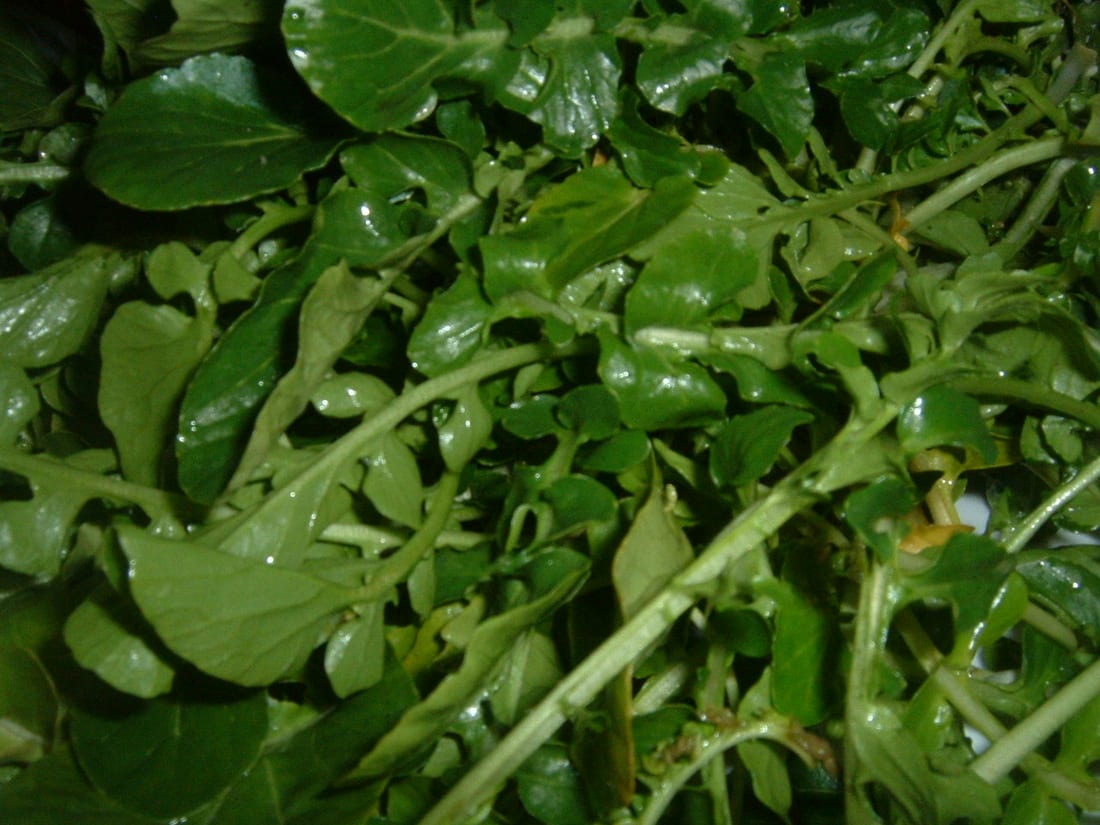
Watercress (Nasturtium officinale) is a peppery aquatic green that grows wild along cool streams across Europe and Asia. It's one of the few crops you can start straight from the grocery bunch, since cut sprigs root readily in a glass of water. For a renter it's low-cost and compact, fitting a 2-litre pot or tray on a bright sill. The catch is the one thing it won't tolerate: it wants to sit in water and can't be allowed to dry out.
It takes medium light and rates as moderate mostly because of that watering demand, not because it's delicate. Stand the roots in a shallow tray of water and refresh it every couple of days to keep it from turning slimy. Snip the tips and it regrows for repeated small harvests. Pinch off any flower stems to keep the leaves tender. A first cut usually comes around 30 to 60 days in.
What it’s like to grow
Watercress is forgiving about light but unforgiving about water. Let the tray run dry and it wilts and collapses fast, which is the failure mode to watch for. The other is stagnant water turning the stems slimy or off-smelling, fixed by refreshing it often. It's non-toxic to cats and dogs. Good for anyone who'd rather keep something constantly wet than remember to water, and who wants a sharp, peppery green for salads and sandwiches with little equipment.
What to expect
First harvest in about 30–60 days. It asks for a little consistency, but nothing fancy. No sunny window? It also does fine under a clip-on grow light.
See what you’ll need to get started ↓♻ Regrow from scraps
Stand store-bought sprigs in water until roots form, then keep them in a wet pot or tray; cuttings root very easily.
Companions
Tips
- Keep the roots sitting in shallow water — this is one plant you cannot let dry out.
- Refresh the standing water every couple of days to prevent slime and odor.
- Pinch off flower stems to keep the leaves tender and mild.
Common problems
- Wilts and collapses fast if the water runs dry.
- Slimy stems or off smell from stagnant water that is not refreshed.
Common questions
Is Watercress toxic to cats and dogs?
Watercress is non-toxic to cats and dogs, which makes it a safe pick if you have pets. Source: ASPCA (not listed; generally regarded safe).
How much light does Watercress need?
Watercress does best in medium, indirect light: near an east or west window, or a little back from a bright one. Direct midday sun can scorch it.
How often should I water Watercress?
Keep Watercress's soil consistently moist. It likes regular water and dislikes drying out, so check it often in warm or dry rooms.
What temperature does Watercress need?
Watercress is happiest around 10–21 °C. It tolerates brief dips to about -5 °C, but cold drafts and sudden chills set it back.
Does Watercress need high humidity?
Watercress prefers humid air. Group it with other plants, stand it on a pebble tray, or run a humidifier — dry indoor air tends to brown the leaf tips.
How long does Watercress take to grow?
Expect a first harvest about 30–60 days from sowing under good conditions. A peppery cut-and-come-again green that regrows fast if kept constantly wet; gives repeated small harvests.
Can I grow Watercress without a sunny window?
Yes. Watercress does well under an affordable clip-on grow light, so a bright window isn't essential.
How big does Watercress get?
A low spreading green ~0.1–0.2 m tall that loves wet soil; grow a dense patch.
How do I propagate Watercress?
Stand store-bought sprigs in water until roots form, then keep them in a wet pot or tray.
What pests affect Watercress?
Watch for aphids, whitefly and snails. Check new growth and the undersides of leaves often, and treat early with a rinse or insecticidal soap before they spread.
Is Watercress easy to grow?
Watercress is moderately easy. It asks for some consistency with light and water, but nothing advanced.
Gear for Watercress
Gear suggestions to get you started — general picks, not paid placements.
Pet-toxicity from the ASPCA. Care details are general guidance, not professional or veterinary advice; only eat plants you can positively identify as the edible plant and part described. Photo: Masparasol, CC BY 3.0, via Wikimedia Commons (CC-BY). Care info last updated 2026-06-02.