herb
EdibleStevia (Sweetleaf)
Stevia rebaudiana
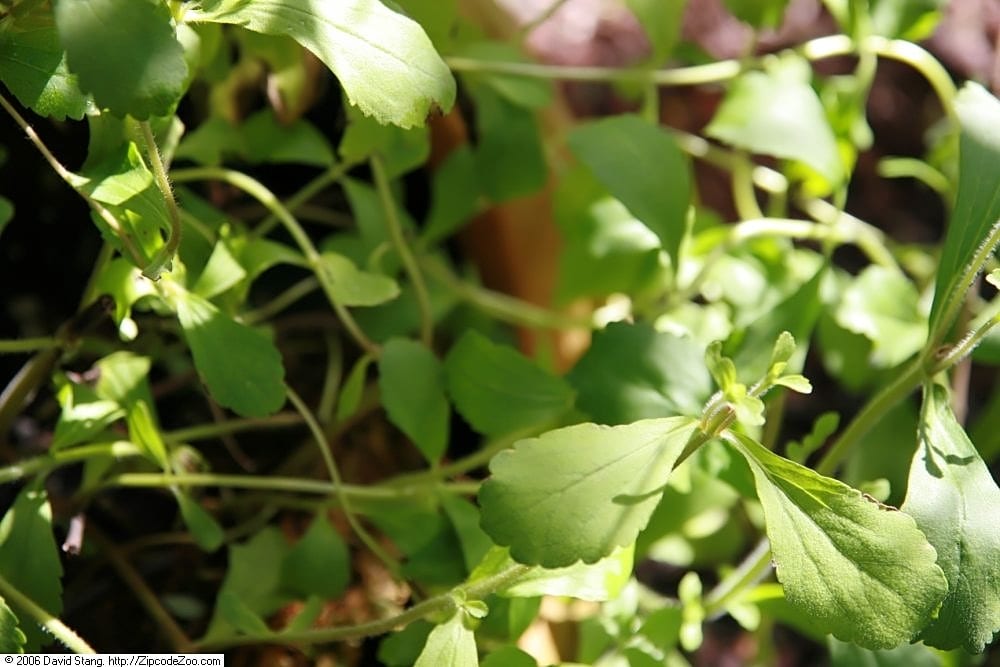
Considered non-toxic to cats and dogs (source: ASPCA).
A sunny south-facing window with 6+ hours, or a grow light.
Keep evenly moist — water when the top inch of soil is dry.
Needs a little consistency, but nothing fancy.
Stevia is a tender perennial whose leaves are many times sweeter than sugar and can be used fresh or dried as a natural sweetener. It needs warmth and bright light and is sensitive to cold, so it does best as an indoor pot plant in cool climates.
About Stevia (Sweetleaf)
Stevia (Stevia rebaudiana) is a tender perennial from the highlands of Paraguay and Brazil, grown for leaves many times sweeter than sugar that you can use fresh or dried. Even a few leaves sweeten a drink, so one plant goes a long way. It stays bushy at around 30 to 50 cm and fits a 4-litre pot, a tidy curiosity for a warm, bright windowsill in a rental.
Warmth and light are non-negotiable. Stevia is frost-tender and starts to sulk below about 10 °C, so in cool climates it does best as an indoor pot plant kept away from drafts. Give it bright light and moderate water, and pinch the tips often to keep it bushy, since the leaves taste sweetest before it flowers. Seed is slow and unreliable, so most growers start from a cutting. Expect a first harvest around 60 to 90 days.
What it’s like to grow
Stevia rates moderate mainly for its sensitivity to cold and low light rather than any real difficulty. Leggy growth with weak, floppy stems means it needs more light. If it gets chilled, it can show cold damage or collapse outright, so keep it clear of cold windowsills and drafts. It takes bright light and moderate, even water. Give it a warm, well-lit spot if you want a novelty sweetener, and note that it is non-toxic to cats and dogs.
What to expect
First harvest in about 60–90 days. It asks for a little consistency, but nothing fancy. No sunny window? It also does fine under a clip-on grow light.
See what you’ll need to get started ↓♻ Regrow from scraps
Root a soft stem cutting in water or moist mix; it roots more reliably than from its fiddly seed.
Companions
Tips
- Pinch tips often to keep it bushy; leaf flavor is best before it flowers.
- Keep it warm — it is frost-tender and sulks below about 10°C.
- Propagate from cuttings, as seed germination is slow and unreliable.
Common problems
- Leggy growth and weak stems in low light.
- Cold damage or collapse if exposed to chill or drafts.
Common questions
Is Stevia (Sweetleaf) toxic to cats and dogs?
Stevia (Sweetleaf) is non-toxic to cats and dogs, which makes it a safe pick if you have pets. Source: ASPCA.
How much light does Stevia (Sweetleaf) need?
Stevia (Sweetleaf) wants bright light — a south-facing window with six or more hours of sun, or a grow light to make up for it.
How often should I water Stevia (Sweetleaf)?
Water Stevia (Sweetleaf) when the top inch of soil feels dry, then let it drain. Aim for evenly moist, not soggy.
What temperature does Stevia (Sweetleaf) need?
Stevia (Sweetleaf) is happiest around 18–27 °C. It tolerates brief dips to about 7 °C, but cold drafts and sudden chills set it back.
How long does Stevia (Sweetleaf) take to grow?
Expect a first harvest about 60–90 days from sowing under good conditions. A tender perennial whose intensely sweet leaves are harvested fresh or dried; even a few leaves sweeten a drink.
Can I grow Stevia (Sweetleaf) without a sunny window?
Yes. Stevia (Sweetleaf) does well under an affordable clip-on grow light, so a bright window isn't essential.
How big does Stevia (Sweetleaf) get?
A bushy herb ~0.3–0.5 m tall and wide; grow one plant per pot.
How do I propagate Stevia (Sweetleaf)?
Root a soft stem cutting in moist mix or water, as it roots more reliably than from seed.
What pests affect Stevia (Sweetleaf)?
Watch for aphids, whitefly and spider mites. Check new growth and the undersides of leaves often, and treat early with a rinse or insecticidal soap before they spread.
Is Stevia (Sweetleaf) easy to grow?
Stevia (Sweetleaf) is moderately easy. It asks for some consistency with light and water, but nothing advanced.
Gear for Stevia (Sweetleaf)
Gear suggestions to get you started — general picks, not paid placements.
Pet-toxicity from the ASPCA. Care details are general guidance, not professional or veterinary advice; only eat plants you can positively identify as the edible plant and part described. Photo: David J. Stang, CC BY-SA 4.0, via Wikimedia Commons (CC-BY-SA). Care info last updated 2026-06-02.