foliage
DecorativeParlor Palm
Chamaedorea elegans
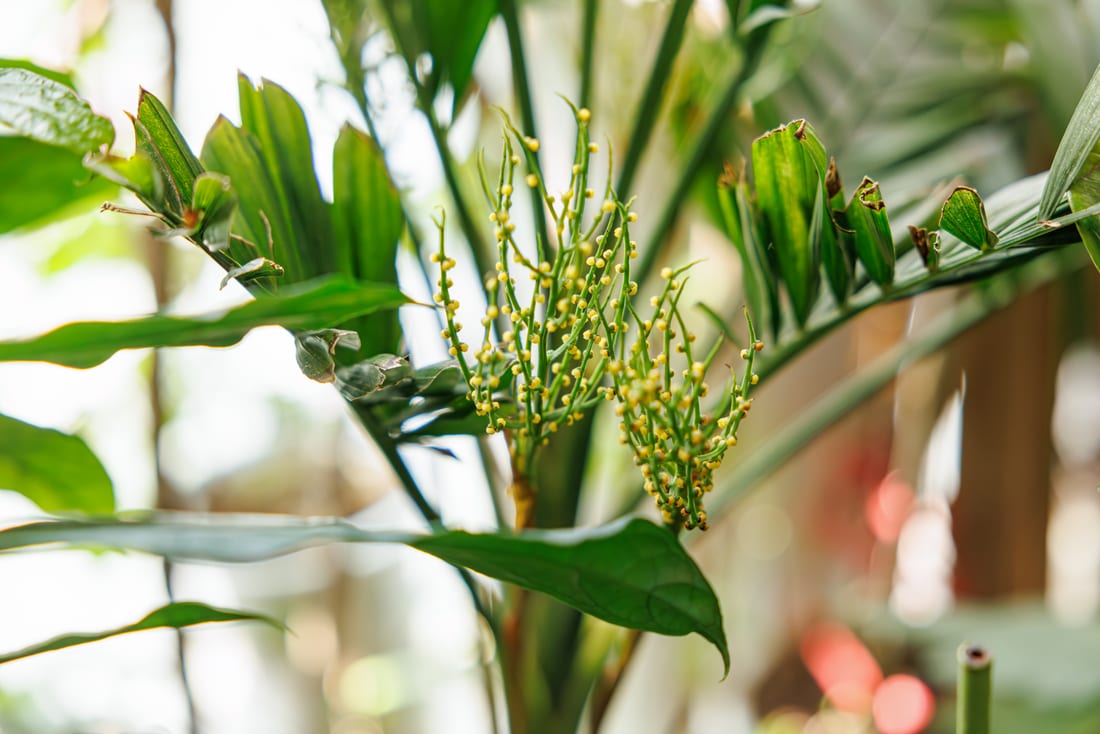
Considered non-toxic to cats and dogs (source: ASPCA).
A north-facing window or a few hours of indirect light is plenty.
Keep evenly moist — water when the top inch of soil is dry.
Forgiving and beginner-friendly.
The parlor palm is a pet-safe palm that tolerates low light and modest neglect, which makes it one of the easier indoor palms. It brings a soft, leafy texture to dim corners.
About Parlor Palm
The parlor palm (Chamaedorea elegans) is a small clumping palm from the forests of Mexico and Guatemala, where it grows in the shade beneath taller trees. That shade-grown habit is why it copes with low light better than most palms, slowly reaching half a metre to just over a metre indoors. Its soft arching fronds bring greenery to a dim corner where little else will grow, and it is safe to keep around cats and dogs.
It asks for little. Let the top of the soil dry slightly between waterings, since soggy roots are its main weakness, and stand it in low to medium indirect light. Brown frond tips usually trace back to dry air or mineral-heavy tap water, so an occasional rinse and a few degrees of humidity help.
What it’s like to grow
The parlor palm is one of the more relaxed indoor palms and tolerates a fair bit of neglect. Brown frond tips are its usual grumble, pointing to dry air or hard water rather than anything serious, while yellowing and a soft base mean it has been kept too wet. It grows in low light but fills out better in medium indirect light. Water when the surface dries. Pet-safe and undemanding, it's an easy first plant or a way to fill a shaded room.
What to expect
It’s forgiving, so it’s a good one to learn on. No sunny window? It also does fine under a clip-on grow light.
See what you’ll need to get started ↓Grow it alongside
Houseplants that want the same light, water and humidity are happy sharing a spot. See what thrives with Parlor Palm →
Tips
- Let the top of the soil dry slightly between waterings; it dislikes soggy roots.
- It tolerates low light but grows fuller in medium indirect light.
- Brown tips often mean dry air or hard water; rinse the fronds occasionally.
Common problems
- Brown frond tips from dry air or mineral-heavy water.
- Yellowing and rot from overwatering.
Common questions
Is Parlor Palm toxic to cats and dogs?
Parlor Palm is non-toxic to cats and dogs, which makes it a safe pick if you have pets. Source: ASPCA.
How much light does Parlor Palm need?
Parlor Palm tolerates low light and can sit away from a window. It still grows faster with more light, but it won't sulk in a dim corner.
How often should I water Parlor Palm?
Water Parlor Palm when the top inch of soil feels dry, then let it drain. Aim for evenly moist, not soggy.
What temperature does Parlor Palm need?
Parlor Palm is happiest around 18–27 °C. It tolerates brief dips to about 10 °C, but cold drafts and sudden chills set it back.
Can I grow Parlor Palm without a sunny window?
Yes. Parlor Palm does well under an affordable clip-on grow light, so a bright window isn't essential.
How big does Parlor Palm get?
A clumping palm with delicate arching fronds; reaches 0.6–1.2 m indoors over time.
How do I propagate Parlor Palm?
Carefully separate a clump into rooted clusters at repotting; it is otherwise grown from seed.
What pests affect Parlor Palm?
Watch for spider mites, mealybugs, scale and whitefly. Check new growth and the undersides of leaves often, and treat early with a rinse or insecticidal soap before they spread.
Is Parlor Palm easy to grow?
Yes. Parlor Palm is forgiving and one of the better plants to learn on.
Gear for Parlor Palm
Gear suggestions to get you started — general picks, not paid placements.
Pet-toxicity from the ASPCA. Care details are general guidance, not professional or veterinary advice. Photo: Dinkun Chen, CC BY-SA 4.0, via Wikimedia Commons (CC-BY-SA). Care info last updated 2026-06-02.