fruit
EdibleDwarf Cavendish Banana
Musa acuminata
Considered non-toxic to cats and dogs (source: ASPCA (banana, non-toxic)).
A sunny south-facing window with 6+ hours, or a grow light.
Likes consistently moist soil; don’t let it dry out.
Rewards patience and steady attention.
The dwarf Cavendish is the banana people actually grow in a big pot — a dramatic tropical statement plant for a bright, warm room. Be honest with yourself about fruit: indoors it is uncommon and demands strong light, warmth, space, and heavy feeding, so grow it for the foliage and treat any fruit as a bonus.
About Dwarf Cavendish Banana
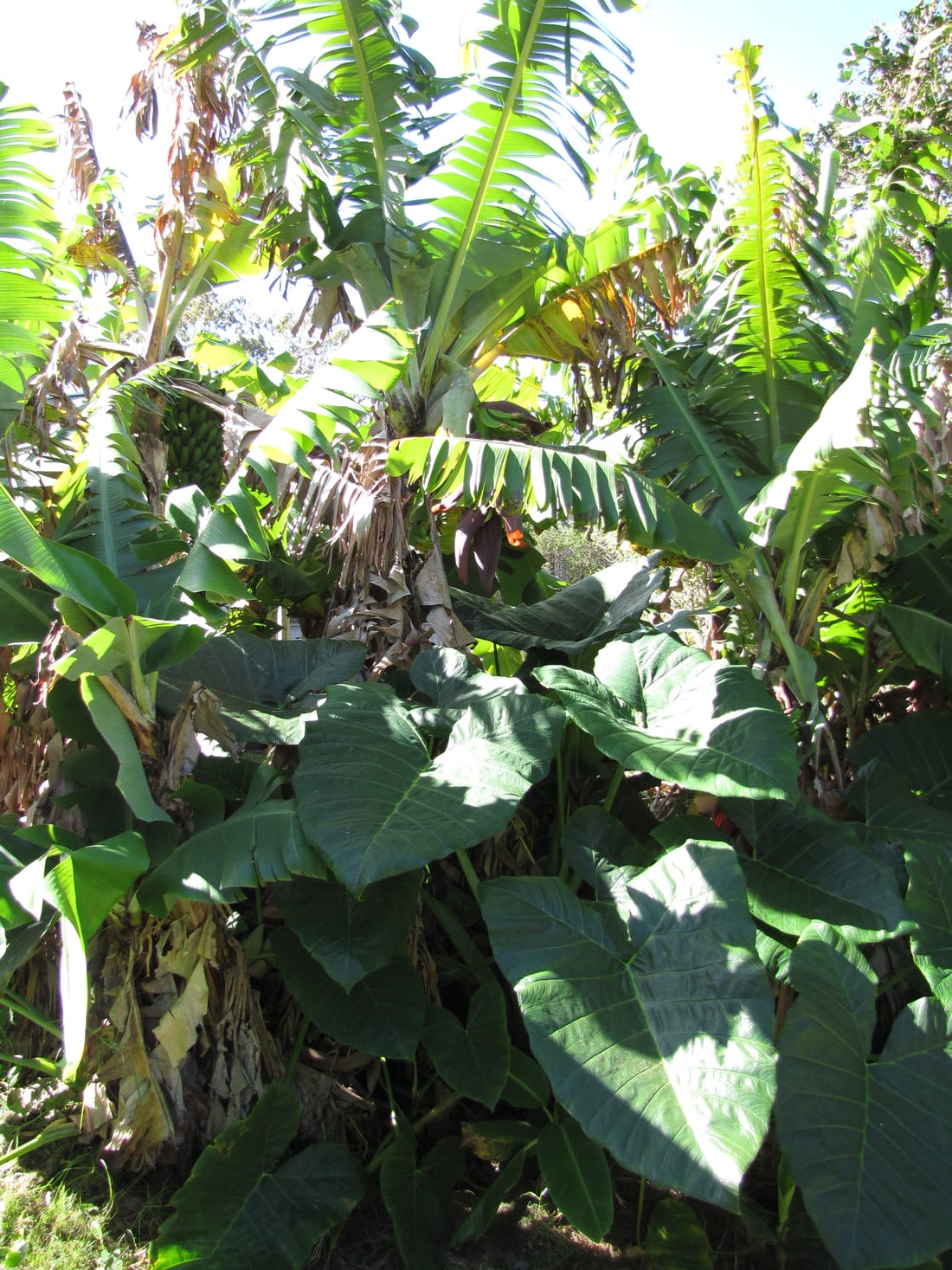
The dwarf Cavendish banana (Musa acuminata) is the banana scaled for a large pot, a dramatic tropical plant whose broad leaves bring real presence to a bright, warm room. It is an aspirational grow, and worth being clear-eyed about. Fruiting indoors is uncommon and demands strong light, warmth, generous space, and heavy feeding. A renter is best growing it for the foliage and treating any fruit as a genuine bonus. It needs the largest pot you can manage, around 25 litres.
Give it the brightest, warmest position you have, a big pot, and plenty of water and food through the growing season. It grows fast in good conditions and large quickly, so space is the real constraint in a flat. New plants come from the pups, the suckers that grow from the base, which you pot up to keep things going after a stem fruits and dies. Any fruit is a long way off, well over a year, and only where light and warmth are strong.
What it’s like to grow
The dwarf banana is rated advanced, less for delicacy than for the light, warmth, and space it demands to do anything more than sit as foliage. Brown, tearing leaves come from dry air or cold draughts, the most common complaint indoors. Without serious conditions it will not fruit, so enjoy it as a statement plant. It is non-toxic to cats and dogs, so it is safe around pets.
What to expect
First harvest in about 300–540 days. It rewards patience and steady attention.
See what you’ll need to get started ↓♻ Regrow from scraps
Separate and pot up the pups (suckers) that grow from the base of an established plant.
Tips
- Give it the largest pot you can and the brightest, warmest spot.
- Keep it well watered and fed through the growing season.
- Pot up the pups from the base to keep the plant going after fruiting.
Common problems
- No fruit indoors without serious light, warmth, and space.
- Brown, tearing leaves in dry air or cold draughts.
Common questions
Is Dwarf Cavendish Banana toxic to cats and dogs?
Dwarf Cavendish Banana is non-toxic to cats and dogs, which makes it a safe pick if you have pets. Source: ASPCA (banana, non-toxic).
How much light does Dwarf Cavendish Banana need?
Dwarf Cavendish Banana wants bright light — a south-facing window with six or more hours of sun, or a grow light to make up for it.
How often should I water Dwarf Cavendish Banana?
Keep Dwarf Cavendish Banana's soil consistently moist. It likes regular water and dislikes drying out, so check it often in warm or dry rooms.
What temperature does Dwarf Cavendish Banana need?
Dwarf Cavendish Banana is happiest around 20–35 °C. It tolerates brief dips to about 10 °C, but cold drafts and sudden chills set it back.
Does Dwarf Cavendish Banana need high humidity?
Dwarf Cavendish Banana prefers humid air. Group it with other plants, stand it on a pebble tray, or run a humidifier — dry indoor air tends to brown the leaf tips.
How long does Dwarf Cavendish Banana take to grow?
Expect a first harvest about 300–540 days from sowing under good conditions. A dramatic container foliage plant; fruiting indoors is uncommon and needs serious light, warmth, space, and feeding.
How big does Dwarf Cavendish Banana get?
A broad-leaved clump 1.5–2.5 m tall; one plant per very large pot, pups removed.
How do I propagate Dwarf Cavendish Banana?
Separate and pot up the pups (suckers) from the base.
What pests affect Dwarf Cavendish Banana?
Watch for spider mites and aphids. Check new growth and the undersides of leaves often, and treat early with a rinse or insecticidal soap before they spread.
Is Dwarf Cavendish Banana easy to grow?
Dwarf Cavendish Banana is more demanding than most. It rewards experience and steady attention rather than a hands-off approach.
Gear for Dwarf Cavendish Banana
Gear suggestions to get you started — general picks, not paid placements.
Pet-toxicity from the ASPCA. Care details are general guidance, not professional or veterinary advice; only eat plants you can positively identify as the edible plant and part described. Photo: Forest and Kim Starr, CC BY 3.0, via Wikimedia Commons (CC-BY). Care info last updated 2026-06-08.