fruit
EdibleArbequina Olive
Olea europaea
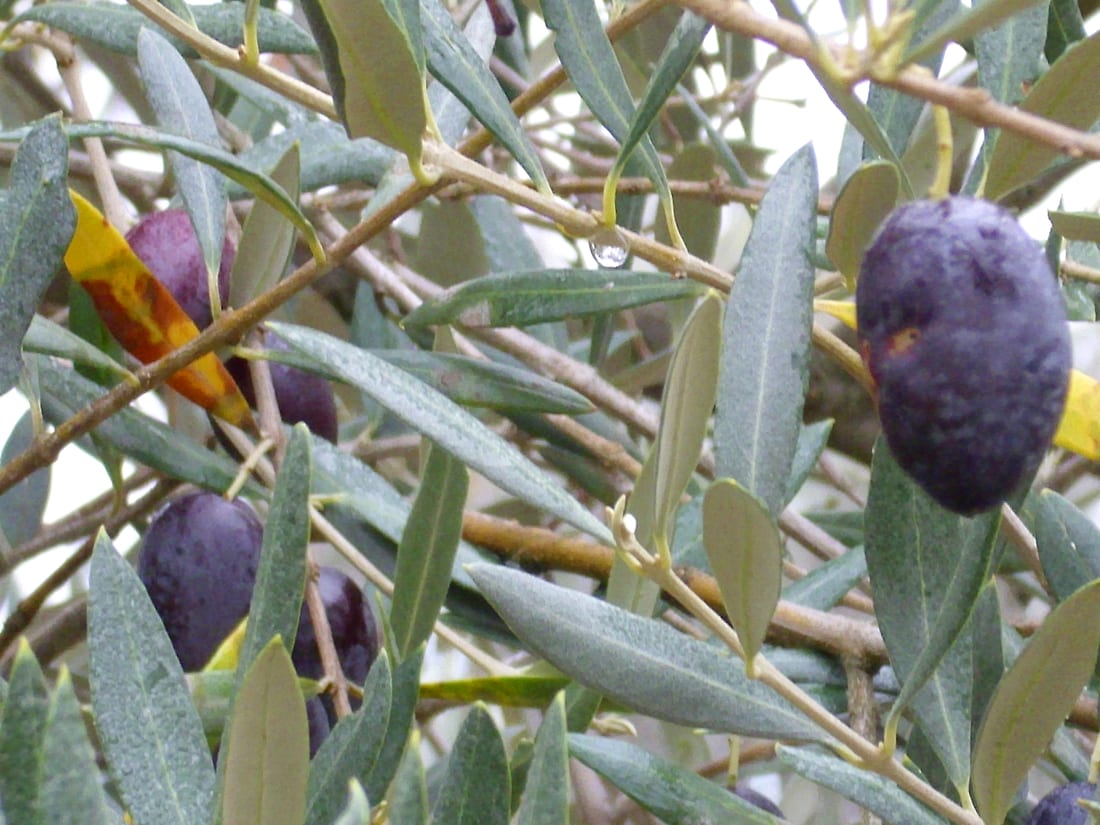
Considered non-toxic to cats and dogs (source: ASPCA (not listed as toxic)).
A sunny south-facing window with 6+ hours, or a grow light.
Let the soil dry out between waterings; it dislikes staying wet.
Needs a little consistency, but nothing fancy.
The olive is the symbol of the Mediterranean, and ‘Arbequina’ is the cultivar people actually grow in pots — compact and partially self-fertile. Treat it first as a handsome evergreen container plant: fruiting indoors is hard, since it needs a cool winter spell and strong light, but a sunny balcony gives it a chance.
About Arbequina Olive
The olive (Olea europaea) is the enduring symbol of the Mediterranean, and 'Arbequina' is the cultivar people actually grow in containers, since it stays compact and is partially self-fertile. It makes a fine silver-leaved evergreen for a bright room. Be honest about fruit, though. Reliable cropping indoors is hard, because an olive needs a cool winter spell and strong light to set fruit. A renter is best treating it as a handsome container plant, with a sunny balcony giving it the best shot at olives.
Grow it lean and bright. Give it the strongest light you have and let the soil dry between waterings, since it hates sitting wet. A cool winter rest is what nudges it toward flowering, so a warm flat usually keeps it leafy but barren. Keep it pruned to a size that suits the pot. Where conditions allow, fruit comes late in the season on an established plant.
What it’s like to grow
Arbequina olive is rated moderate, and most of that is about fruiting rather than keeping it alive, which is easy. Expect little or no fruit without a winter chill and real sun. The one way to harm it is overwatering, which rots the roots, so err dry. As an evergreen it is undemanding and long-lived. It is not listed as toxic to cats and dogs, so the pot is safe around pets.
What to expect
First harvest in about 240–365 days. It asks for a little consistency, but nothing fancy.
See what you’ll need to get started ↓Tips
- Give it the brightest spot you have and let the soil dry between waterings.
- A cool winter rest helps it set fruit; a warm flat usually will not.
- Keep it pruned to a manageable size for the pot.
Common problems
- Little or no fruit without a winter chill and strong sun.
- Root rot if overwatered — it prefers things lean and dry.
Common questions
Is Arbequina Olive toxic to cats and dogs?
Arbequina Olive is non-toxic to cats and dogs, which makes it a safe pick if you have pets. Source: ASPCA (not listed as toxic).
How much light does Arbequina Olive need?
Arbequina Olive wants bright light — a south-facing window with six or more hours of sun, or a grow light to make up for it.
How often should I water Arbequina Olive?
Water Arbequina Olive sparingly. Let the soil dry out fully between waterings — it's far more likely to rot from overwatering than to suffer from neglect.
What temperature does Arbequina Olive need?
Arbequina Olive is happiest around 15–35 °C. It tolerates brief dips to about -7 °C, but cold drafts and sudden chills set it back.
How long does Arbequina Olive take to grow?
Expect a first harvest about 240–365 days from sowing under good conditions. A compact, partially self-fertile olive that makes a fine evergreen container plant; reliable fruiting indoors is hard.
How big does Arbequina Olive get?
A compact evergreen kept ~1–1.5 m with pruning; one plant per large pot.
How do I propagate Arbequina Olive?
Root semi-hardwood cuttings; slow, so best bought as a young plant.
What pests affect Arbequina Olive?
Watch for scale and spider mites. Check new growth and the undersides of leaves often, and treat early with a rinse or insecticidal soap before they spread.
Is Arbequina Olive easy to grow?
Arbequina Olive is moderately easy. It asks for some consistency with light and water, but nothing advanced.
Gear for Arbequina Olive
Gear suggestions to get you started — general picks, not paid placements.
Pet-toxicity from the ASPCA. Care details are general guidance, not professional or veterinary advice; only eat plants you can positively identify as the edible plant and part described. Photo: Javier martin, Public domain, via Wikimedia Commons (PD). Care info last updated 2026-06-08.