fruit
EdibleFig (Container)
Ficus carica
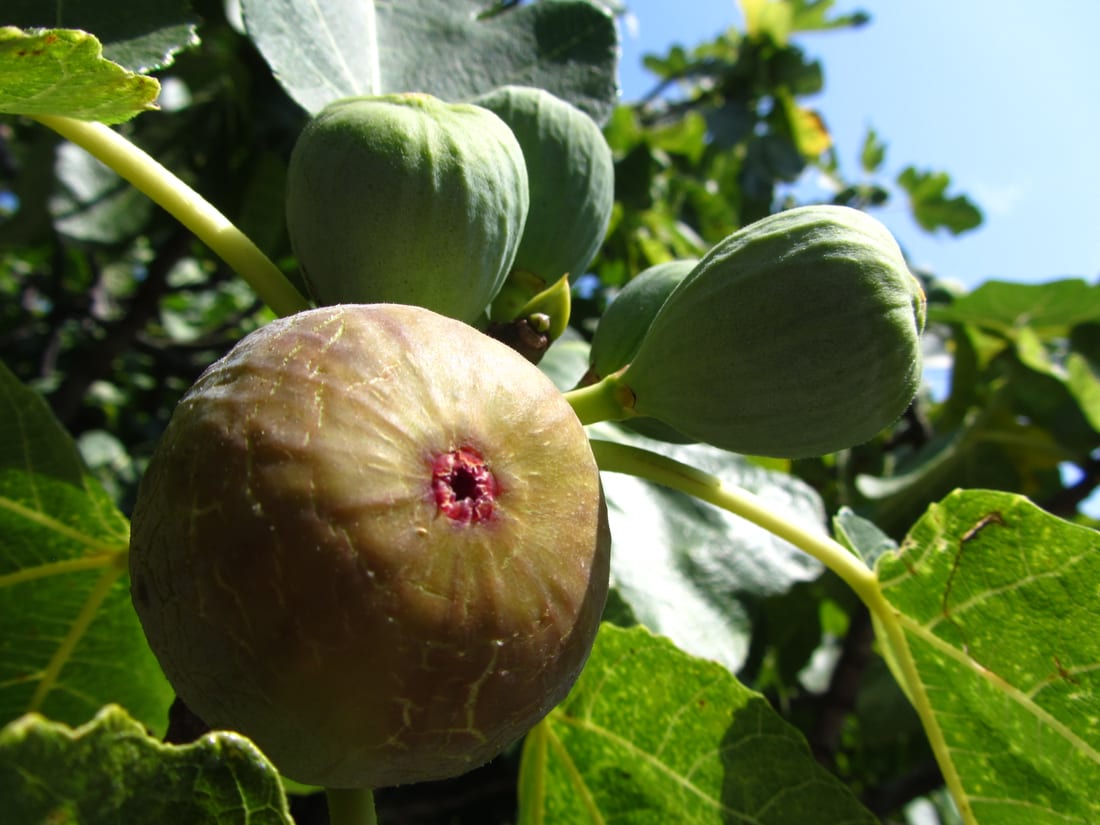
Toxic to cats and dogs — keep it out of reach (source: ASPCA (Ficus — ficin & psoralens in the sap)).
A sunny south-facing window with 6+ hours, or a grow light.
Keep evenly moist — water when the top inch of soil is dry.
Needs a little consistency, but nothing fancy.
A container fig is a rewarding patio or bright-room fruit tree that stays manageable when its roots are confined to a pot. The milky sap in leaves and stems is a pet and skin irritant, but the ripe fruit is the prized edible part.
About Fig (Container)
A container fig (Ficus carica) is a Mediterranean and Middle Eastern fruit tree that stays manageable when its roots are confined to a pot. In fact figs often fruit better when not over-potted, which suits a renter with a bright room or sunny balcony and a 19-litre container. Many container figs give a light early-summer crop and a main late-summer one once established. The tree drops its leaves and rests over winter, so a dormant, bare period is expected rather than a problem.
Figs are moderate to grow and prefer the brightest, warmest spot you can offer; they are not especially grow-light friendly, so natural light matters. Water at a medium level. The milky sap in the leaves and stems is a skin and pet irritant, so wear gloves when pruning. The ripe fruit is the prized edible part, and a first real crop usually comes a year or two after planting.
What it’s like to grow
Figs are moderate and undemanding once settled, with most issues tied to light, temperature, and their sap. Unripe fruit dropping points to low light or to cold or water stress, and the milky latex from cut stems and leaves irritates skin, so gloves help. Keep the tree root-restricted, bright, and warm, with even medium watering. The sap is toxic to cats and dogs as well. One for a grower with a bright window or balcony who's comfortable with a tree that goes dormant and bare each winter.
What to expect
First harvest in about 365–730 days. It asks for a little consistency, but nothing fancy.
See what you’ll need to get started ↓♻ Regrow from scraps
Hardwood or softwood cuttings root readily in water or moist mix — figs are one of the easier fruits to clone.
Tips
- Keep it root-restricted in a pot — figs actually fruit better when not over-potted.
- Give it the brightest, warmest spot; it drops leaves and rests in winter.
- Wear gloves when pruning; the milky latex sap irritates skin.
Common problems
- Unripe fruit dropping in low light or after cold or water stress.
- Skin irritation from the sap when handling cut stems or leaves.
Common questions
Is Fig (Container) toxic to cats and dogs?
Fig (Container) is toxic to cats and dogs if eaten, so keep it out of reach of pets that chew. Source: ASPCA (Ficus — ficin & psoralens in the sap).
How much light does Fig (Container) need?
Fig (Container) wants bright light — a south-facing window with six or more hours of sun, or a grow light to make up for it.
How often should I water Fig (Container)?
Water Fig (Container) when the top inch of soil feels dry, then let it drain. Aim for evenly moist, not soggy.
What temperature does Fig (Container) need?
Fig (Container) is happiest around 18–29 °C. It tolerates brief dips to about -10 °C, but cold drafts and sudden chills set it back.
How long does Fig (Container) take to grow?
Expect a first harvest about 365–730 days from sowing under good conditions. A container fig can give a modest crop of fresh figs once established, often with a light early-summer crop and a main late-summer one.
How big does Fig (Container) get?
A single potted tree ~1–2 m tall; self-fertile, one tree per large pot.
How do I propagate Fig (Container)?
Root a hardwood cutting in water or moist mix; figs are among the easiest fruits to clone.
What pests affect Fig (Container)?
Watch for spider mites, scale, mealybugs and fig wax scale. Check new growth and the undersides of leaves often, and treat early with a rinse or insecticidal soap before they spread.
Is Fig (Container) easy to grow?
Fig (Container) is moderately easy. It asks for some consistency with light and water, but nothing advanced.
Gear for Fig (Container)
Gear suggestions to get you started — general picks, not paid placements.
Pet-toxicity from the ASPCA. Care details are general guidance, not professional or veterinary advice; only eat plants you can positively identify as the edible plant and part described. Photo: Stefan Thiesen, CC BY-SA 3.0, via Wikimedia Commons (CC-BY-SA). Care info last updated 2026-06-02.