herb
EdibleSalad Burnet
Sanguisorba minor
Considered non-toxic to cats and dogs (source: ASPCA).
Some direct sun — an east or west window, or a few hours of direct light.
Keep evenly moist — water when the top inch of soil is dry.
Forgiving and beginner-friendly.
Salad burnet is a hardy, near-evergreen perennial whose tender young leaves have a fresh cucumber flavor good in salads, dips, and cold drinks. It tolerates cool conditions and lower light better than most herbs.
About Salad Burnet
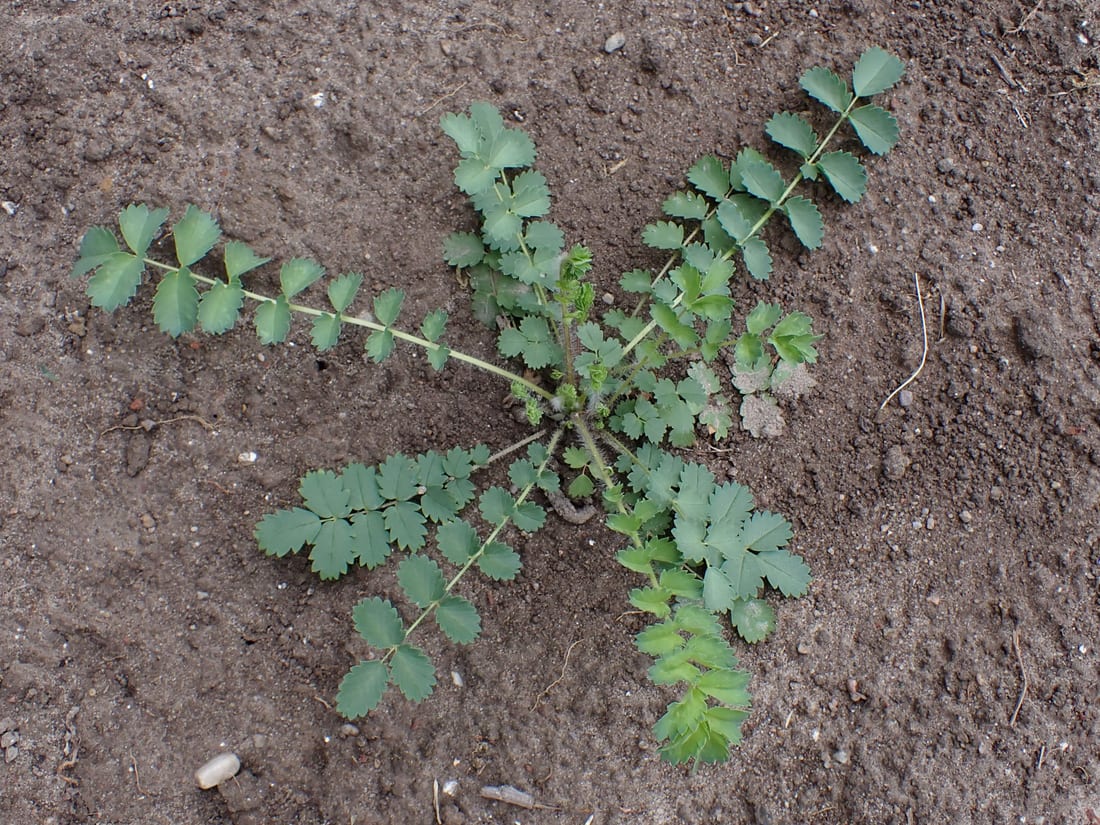
Salad burnet (Sanguisorba minor) is a hardy, near-evergreen perennial from Europe and western Asia, grown for young leaves that taste cleanly of cucumber. They are good in salads, dips, and cold drinks. It forms a low ferny rosette and tolerates cool rooms and lower light better than most herbs, so a 3-litre pot suits a renter whose windows aren't especially bright.
Because it is perennial and tough, one plant keeps producing for a long time, and it can be divided in spring or left to self-seed. Pick the youngest central leaves, since the older outer ones turn tough and bitter, and remove flower stalks to keep tender foliage coming. It takes medium light and moderate water. First harvests come around 50 to 70 days, and it carries on cropping through cool weather when other greens fade.
What it’s like to grow
Salad burnet is an easy, forgiving perennial that asks for very little. The usual complaints are about texture rather than health: older leaves go tough and lose their cucumber flavour, and over-harvesting the central crown leaves the plant sparse. It handles medium light and moderate water, and shrugs off cool conditions. It is a good pick for someone with a dim, chilly room who still wants something fresh to cut, and it is non-toxic to cats and dogs.
What to expect
First harvest in about 50–70 days. It’s forgiving, so it’s a good one to learn on. No sunny window? It also does fine under a clip-on grow light.
See what you’ll need to get started ↓♻ Regrow from scraps
Divide an established clump in spring; it also self-seeds freely.
Companions
Tips
- Harvest the youngest central leaves; older outer leaves turn tough and bitter.
- Remove flower stalks to keep the plant producing tender foliage.
- It tolerates cool rooms and a less-than-sunny window.
Common problems
- Older leaves become tough and lose flavor.
- Sparse growth if the central crown is over-harvested.
Common questions
Is Salad Burnet toxic to cats and dogs?
Salad Burnet is non-toxic to cats and dogs, which makes it a safe pick if you have pets. Source: ASPCA.
How much light does Salad Burnet need?
Salad Burnet does best in medium, indirect light: near an east or west window, or a little back from a bright one. Direct midday sun can scorch it.
How often should I water Salad Burnet?
Water Salad Burnet when the top inch of soil feels dry, then let it drain. Aim for evenly moist, not soggy.
What temperature does Salad Burnet need?
Salad Burnet is happiest around 13–24 °C. It tolerates brief dips to about -15 °C, but cold drafts and sudden chills set it back.
How long does Salad Burnet take to grow?
Expect a first harvest about 50–70 days from sowing under good conditions. An evergreen perennial whose young leaves taste of cucumber; pick from the rosette and it keeps producing in cool weather.
Can I grow Salad Burnet without a sunny window?
Yes. Salad Burnet does well under an affordable clip-on grow light, so a bright window isn't essential.
How big does Salad Burnet get?
A low ferny rosette ~0.2–0.3 m tall and wide; grow one plant per small pot.
How do I propagate Salad Burnet?
Divide an established clump in spring and pot up each piece; it also self-seeds freely.
What pests affect Salad Burnet?
Watch for aphids. Check new growth and the undersides of leaves often, and treat early with a rinse or insecticidal soap before they spread.
Is Salad Burnet easy to grow?
Yes. Salad Burnet is forgiving and one of the better plants to learn on.
Gear for Salad Burnet
Gear suggestions to get you started — general picks, not paid placements.
Pet-toxicity from the ASPCA. Care details are general guidance, not professional or veterinary advice; only eat plants you can positively identify as the edible plant and part described. Photo: Krzysztof Ziarnek, Kenraiz, CC BY-SA 4.0, via Wikimedia Commons (CC-BY-SA). Care info last updated 2026-06-02.