herb
EdibleLovage
Levisticum officinale
Toxic to cats and dogs — keep it out of reach (source: ASPCA).
A sunny south-facing window with 6+ hours, or a grow light.
Keep evenly moist — water when the top inch of soil is dry.
Forgiving and beginner-friendly.
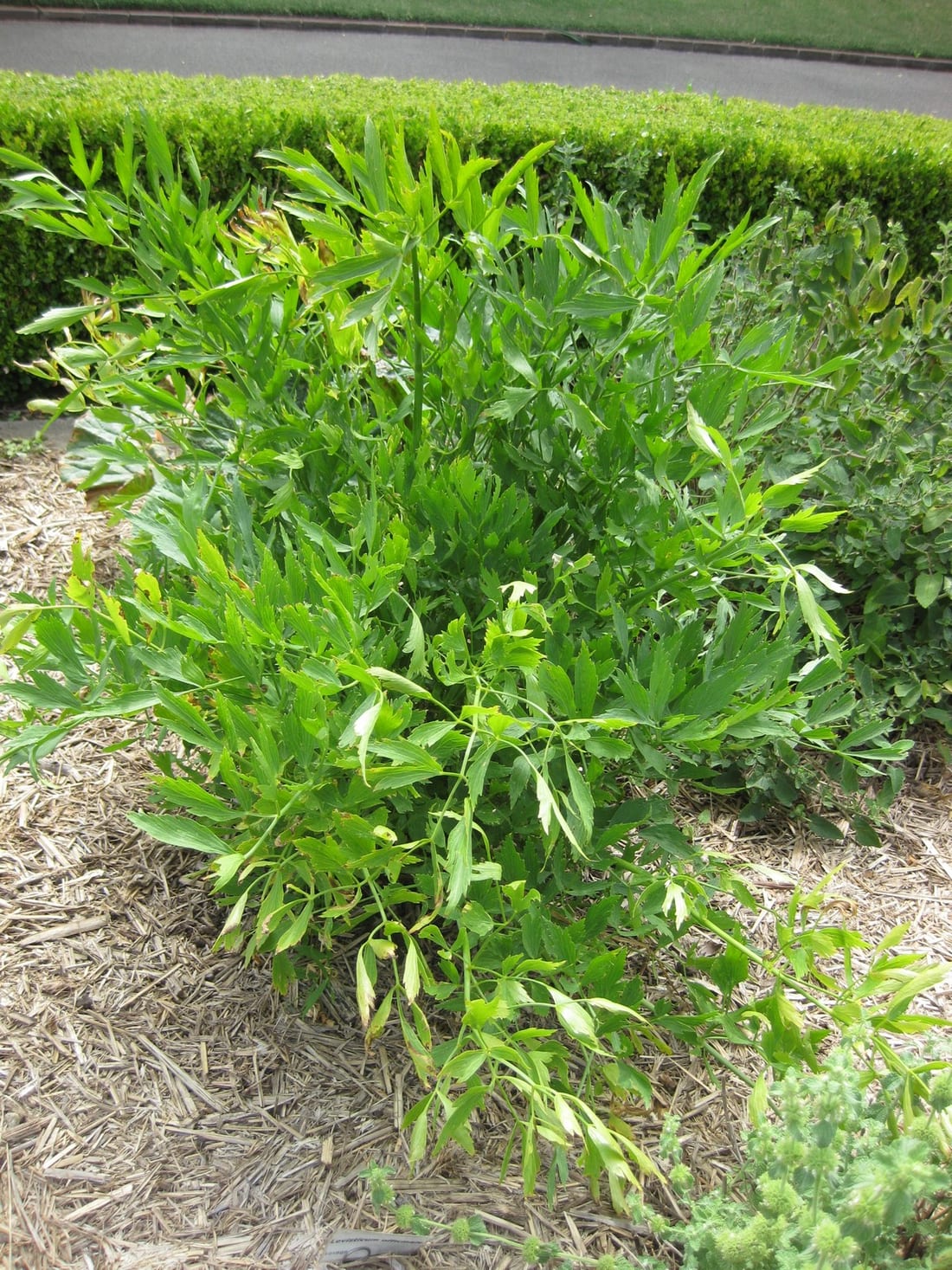
Lovage is a vigorous perennial herb whose leaves, stems, and seeds all taste intensely of celery, so a small amount flavors a large dish. It can grow tall and wants a deep pot, and note it is mildly toxic to pets.
About Lovage
Lovage (Levisticum officinale) is a vigorous perennial herb, long grown across Europe, whose leaves, stems, and seeds all carry an intense celery flavour. A little goes a long way, so a single plant seasons a lot of cooking. It does grow tall, up to a metre, and builds a substantial root system, so it wants a deep pot of at least 8 litres. For a renter it works as one long-lived plant you cut from rather than a patch you resow.
Give it bright light and moderate, steady water. Because it comes back year after year, an established clump can be divided in spring, and it self-seeds readily. If it gets leggy, cut it back hard and it pushes out fresh tender leaves. Use it sparingly in the kitchen, since the flavour is far stronger than celery. First real harvests come around 60 to 90 days.
What it’s like to grow
Lovage is easy to grow and hard to discourage, but it gets big, so the main problem is that it outgrows small pots and needs dividing. Like its celery relatives it can pick up leaf miners and aphids, seen as pale trails or clusters on the undersides. It takes bright light and moderate water. For the grower who wants one permanent herb in a deep pot rather than fast turnover. One caution: it is mildly toxic to cats and dogs, so keep it out of their reach.
What to expect
First harvest in about 60–90 days. It’s forgiving, so it’s a good one to learn on. No sunny window? It also does fine under a clip-on grow light.
See what you’ll need to get started ↓♻ Regrow from scraps
Divide an established root clump in spring and pot up each piece; it also self-seeds readily.
Companions
Tips
- Give it a deep, roomy container; it develops a substantial root system.
- Cut it back hard if it gets leggy to force fresh tender leaves.
- Use sparingly in cooking — the flavor is far stronger than celery.
Common problems
- Outgrows small pots quickly and needs dividing.
- Leaf miners and aphids, like its celery relatives.
Common questions
Is Lovage toxic to cats and dogs?
Lovage is toxic to cats and dogs if eaten, so keep it out of reach of pets that chew. Source: ASPCA.
How much light does Lovage need?
Lovage wants bright light — a south-facing window with six or more hours of sun, or a grow light to make up for it.
How often should I water Lovage?
Water Lovage when the top inch of soil feels dry, then let it drain. Aim for evenly moist, not soggy.
What temperature does Lovage need?
Lovage is happiest around 13–24 °C. It tolerates brief dips to about -10 °C, but cold drafts and sudden chills set it back.
How long does Lovage take to grow?
Expect a first harvest about 60–90 days from sowing under good conditions. A large perennial with an intense celery-like flavor — a little leaf seasons a whole pot of soup.
Can I grow Lovage without a sunny window?
Yes. Lovage does well under an affordable clip-on grow light, so a bright window isn't essential.
How big does Lovage get?
A tall celery-like herb ~0.6–1 m tall; grow a single plant in a deep pot.
How do I propagate Lovage?
Divide an established root clump in spring and pot up each piece with a bud.
What pests affect Lovage?
Watch for aphids and leaf miners. Check new growth and the undersides of leaves often, and treat early with a rinse or insecticidal soap before they spread.
Is Lovage easy to grow?
Yes. Lovage is forgiving and one of the better plants to learn on.
Gear for Lovage
Gear suggestions to get you started — general picks, not paid placements.
Pet-toxicity from the ASPCA. Care details are general guidance, not professional or veterinary advice; only eat plants you can positively identify as the edible plant and part described. Photo: Raffi Kojian, CC BY-SA 3.0, via Wikimedia Commons (CC-BY-SA). Care info last updated 2026-06-02.