foliage
DecorativeCorn Plant
Dracaena fragrans
Toxic to cats and dogs — keep it out of reach (source: ASPCA).
A north-facing window or a few hours of indirect light is plenty.
Keep evenly moist — water when the top inch of soil is dry.
Forgiving and beginner-friendly.
The corn plant is a tough, upright foliage plant with arching strap-like leaves that tolerates low light and irregular care. It is toxic to cats and dogs if chewed.
About Corn Plant
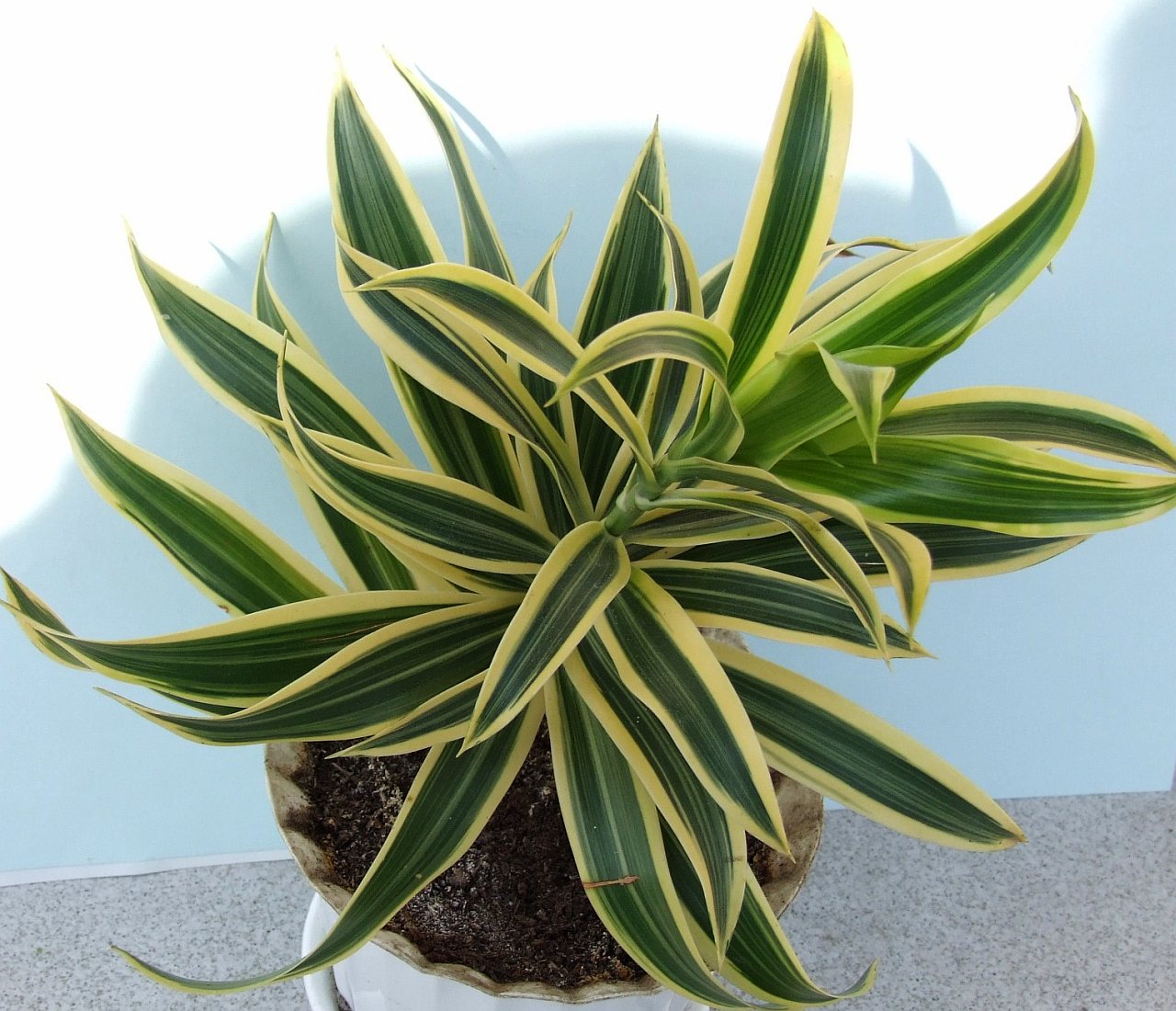
The corn plant (Dracaena fragrans) is an upright foliage plant from tropical Africa, grown on a woody cane topped with rosettes of long, arching, strap-like leaves. It reaches well over a metre indoors and tolerates low light and irregular care, so it suits a renter who wants height in a dim spot without a demanding routine. A 6-litre pot keeps a single cane steady.
Let the top of the soil dry between waterings, since it dislikes constantly wet roots. It manages in low light but grows fuller in medium indirect light. One quirk: it is sensitive to fluoride, so filtered or stood water cuts down the brown leaf tips that tap water can cause. It is toxic to cats and dogs if chewed.
What it’s like to grow
The corn plant is tough and tolerant of patchy care, a good match for a busy owner. Brown leaf tips are its common complaint, usually from fluoride in tap water or dry air rather than anything serious, while yellowing lower leaves point to overwatering. It copes with low light but does better in medium indirect light. Water when the surface dries, ideally with filtered water. It is toxic to cats and dogs, so keep it away from pets inclined to chew.
What to expect
It’s forgiving, so it’s a good one to learn on. No sunny window? It also does fine under a clip-on grow light.
See what you’ll need to get started ↓Grow it alongside
Houseplants that want the same light, water and humidity are happy sharing a spot. See what thrives with Corn Plant →
Tips
- Let the top of the soil dry between waterings; it dislikes constantly wet feet.
- It tolerates low light but grows fuller in medium, indirect light.
- Sensitive to fluoride; filtered or stood water reduces leaf-tip browning.
Common problems
- Brown leaf tips from tap-water fluoride or dry air.
- Yellowing lower leaves from overwatering.
Common questions
Is Corn Plant toxic to cats and dogs?
Corn Plant is toxic to cats and dogs if eaten, so keep it out of reach of pets that chew. Source: ASPCA.
How much light does Corn Plant need?
Corn Plant tolerates low light and can sit away from a window. It still grows faster with more light, but it won't sulk in a dim corner.
How often should I water Corn Plant?
Water Corn Plant when the top inch of soil feels dry, then let it drain. Aim for evenly moist, not soggy.
What temperature does Corn Plant need?
Corn Plant is happiest around 18–26 °C. It tolerates brief dips to about 12 °C, but cold drafts and sudden chills set it back.
Can I grow Corn Plant without a sunny window?
Yes. Corn Plant does well under an affordable clip-on grow light, so a bright window isn't essential.
How big does Corn Plant get?
An upright plant on a woody cane, 1–1.8 m indoors, topped with rosettes of long arching leaves.
How do I propagate Corn Plant?
Root a section of cane or a stem-tip cutting in water until roots develop, then pot.
What pests affect Corn Plant?
Watch for spider mites, mealybugs and scale. Check new growth and the undersides of leaves often, and treat early with a rinse or insecticidal soap before they spread.
Is Corn Plant easy to grow?
Yes. Corn Plant is forgiving and one of the better plants to learn on.
Gear for Corn Plant
Gear suggestions to get you started — general picks, not paid placements.
Pet-toxicity from the ASPCA. Care details are general guidance, not professional or veterinary advice. Photo: Jerzy Opioła, CC BY-SA 4.0, via Wikimedia Commons (CC-BY-SA). Care info last updated 2026-06-02.