root
EdibleGinger
Zingiber officinale
Considered non-toxic to cats and dogs (source: ASPCA (culinary Zingiber not listed; ornamental gingers listed non-toxic)).
Some direct sun — an east or west window, or a few hours of direct light.
Keep evenly moist — water when the top inch of soil is dry.
Needs a little consistency, but nothing fancy.
Ginger is a slow but genuinely satisfying grow-from-the-store crop: plant a supermarket knob and harvest fresh rhizome months later. It likes warmth, humidity, and only moderate, indirect light.
About Ginger
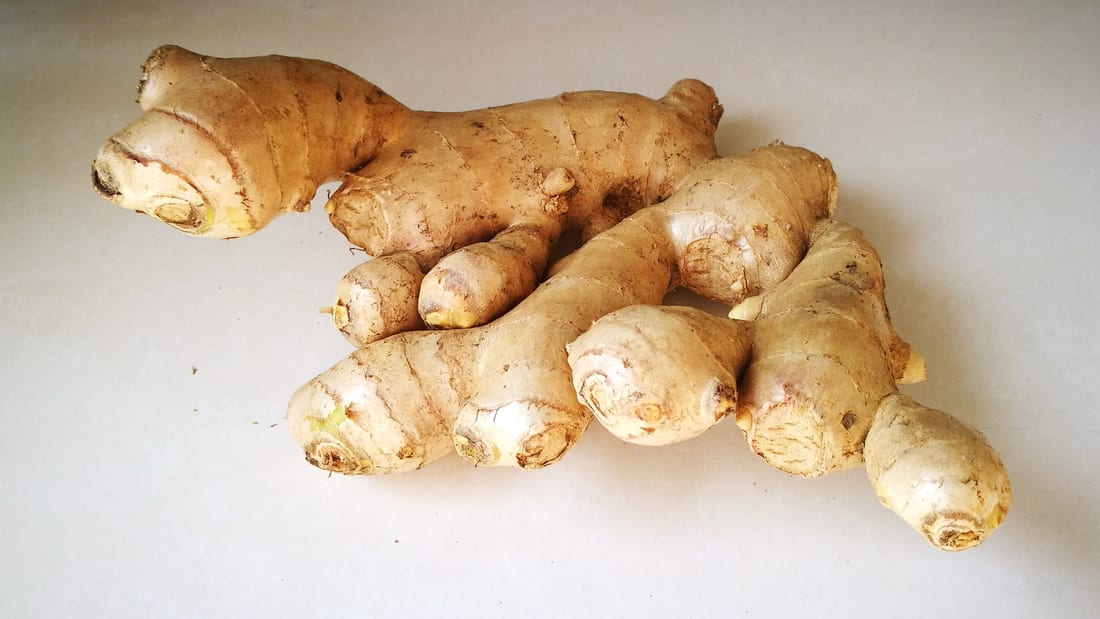
Ginger (Zingiber officinale) is a tropical rhizome grown for the knobby underground stem used fresh in cooking. It originates in Southeast Asia and has been traded and cultivated across the tropics for centuries. The appeal for a renter is how it starts: plant a piece of a supermarket knob with a visible bud and it sprouts a whole new clump, no seeds needed. It sends up a leafy shoot of about 0.4 to 0.6 m from a spreading rhizome, so give it one piece in a wide 8-litre pot.
Ginger likes warmth and humidity and only moderate, indirect light, which makes it one of the few edibles content away from a blazing window. The trade-off is time. This is a long-season crop, often eight to ten months before harvest, so it suits a grower in no hurry. Keep it warm and the soil moist but never cold and soggy. Harvest typically runs 240 to 300 days from planting.
What it’s like to grow
Ginger is slow rather than difficult, and the main risk is cold, wet soil rotting the rhizome. Keep it warm and humid, water moderately, and avoid letting the pot sit cold and waterlogged. A knob that never sprouts was often old or treated with a sprout inhibitor, so start with organic ginger. It tolerates moderate light, which helps in a dimmer room. It's non-toxic to cats and dogs. A patient grower who likes a long project and has a warm corner will get the most out of it.
What to expect
First harvest in about 240–300 days. It asks for a little consistency, but nothing fancy. No sunny window? It also does fine under a clip-on grow light.
See what you’ll need to get started ↓♻ Regrow from scraps
Plant a store-bought rhizome piece with a visible bud (“eye”) shallowly in soil; it sprouts and grows a whole new clump.
Companions
Tips
- Soak a plump store knob overnight, then plant it shallowly in a wide, not-too-deep pot.
- Keep it warm and humid; ginger dislikes cold and dry air.
- Be patient — let it grow for the better part of a year before harvesting.
Common problems
- Rhizome rot from cold, soggy soil.
- Slow or no sprouting from a knob that was old or treated with sprout inhibitor (use organic ginger).
Common questions
Is Ginger toxic to cats and dogs?
Ginger is non-toxic to cats and dogs, which makes it a safe pick if you have pets. Source: ASPCA (culinary Zingiber not listed; ornamental gingers listed non-toxic).
How much light does Ginger need?
Ginger does best in medium, indirect light: near an east or west window, or a little back from a bright one. Direct midday sun can scorch it.
How often should I water Ginger?
Water Ginger when the top inch of soil feels dry, then let it drain. Aim for evenly moist, not soggy.
What temperature does Ginger need?
Ginger is happiest around 22–30 °C. It tolerates brief dips to about 10 °C, but cold drafts and sudden chills set it back.
Does Ginger need high humidity?
Ginger prefers humid air. Group it with other plants, stand it on a pebble tray, or run a humidifier — dry indoor air tends to brown the leaf tips.
How long does Ginger take to grow?
Expect a first harvest about 240–300 days from sowing under good conditions. A slow, long-season crop, but a single store-bought knob can multiply into several times its weight in fresh rhizome.
Can I grow Ginger without a sunny window?
Yes. Ginger does well under an affordable clip-on grow light, so a bright window isn't essential.
How big does Ginger get?
A leafy upright shoot ~0.4–0.6 m tall from a spreading rhizome; one piece per wide pot.
How do I propagate Ginger?
Plant a store-bought rhizome piece with a visible bud shallowly in warm, moist soil.
What pests affect Ginger?
Watch for spider mites, aphids and mealybugs. Check new growth and the undersides of leaves often, and treat early with a rinse or insecticidal soap before they spread.
Is Ginger easy to grow?
Ginger is moderately easy. It asks for some consistency with light and water, but nothing advanced.
Gear for Ginger
Gear suggestions to get you started — general picks, not paid placements.
Pet-toxicity from the ASPCA. Care details are general guidance, not professional or veterinary advice; only eat plants you can positively identify as the edible plant and part described. Photo: Mk2010, CC BY-SA 4.0, via Wikimedia Commons (CC-BY-SA). Care info last updated 2026-06-02.