leafy green
EdibleAmaranth Greens (Callaloo)
Amaranthus tricolor
Toxic to cats and dogs — keep it out of reach (source: ASPCA (Amaranthus / pigweed — oxalates)).
A sunny south-facing window with 6+ hours, or a grow light.
Keep evenly moist — water when the top inch of soil is dry.
Forgiving and beginner-friendly.
Amaranth greens, known as callaloo in the Caribbean and by many names across Asia and Africa, are a fast heat-loving leafy crop eaten cooked like spinach. Note the genus is flagged by ASPCA as toxic to pets due to oxalates and nitrate accumulation.
About Amaranth Greens (Callaloo)
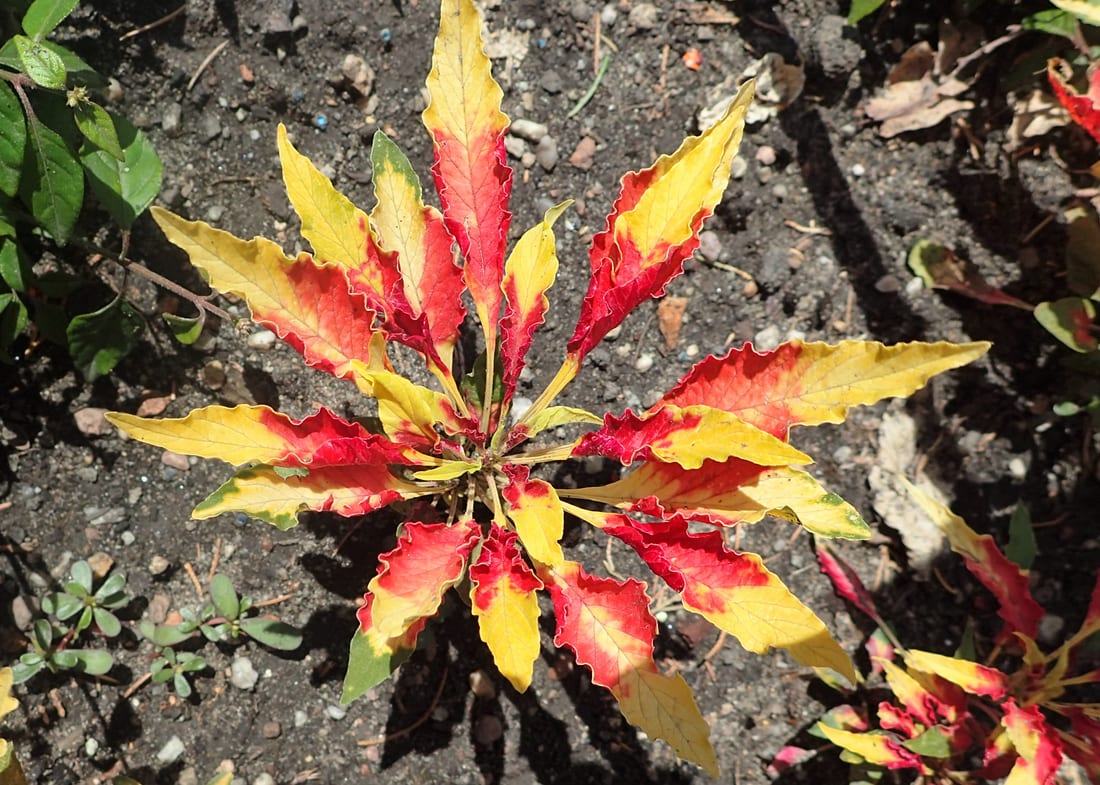
Amaranth greens (Amaranthus tricolor), known as callaloo in the Caribbean and by many names across Asia and Africa, are a fast, heat-loving leafy crop eaten cooked like spinach. The leaves can be green, red, or variegated, which makes the plant ornamental as well as useful. It is quick and undemanding, and a 5-litre pot of densely sown plants gives a steady cut-and-come-again supply in a bright, warm spot.
It thrives in summer heat that stalls true spinach, so it is a strong choice for a hot windowsill. Harvest young leaves and growing tips, since older leaves toughen, and pinch the tips to delay flowering and keep the leaves coming. It takes bright light and moderate water. Baby leaves are ready in about 30 days. One important note: ASPCA flags the genus as toxic to pets, so keep it away from cats and dogs.
What it’s like to grow
Amaranth greens are easy and fast, with heat their friend rather than their enemy. The thing to watch is flowering: it runs to seed quickly, which slows leaf production, so keep pinching the tips. It also self-seeds aggressively and can turn weedy if allowed to drop seed. It wants bright light and moderate water. A beginner with a hot, sunny spot will manage it, but the genus is listed as toxic to cats and dogs, so it is not a free pick in a home with pets.
What to expect
First harvest in about 30–50 days. It’s forgiving, so it’s a good one to learn on. No sunny window? It also does fine under a clip-on grow light.
See what you’ll need to get started ↓Companions
Tips
- Harvest young leaves and growing tips; older leaves toughen.
- Keep it warm and bright — it thrives in summer heat that stalls true spinach.
- Pinch tips to delay flowering and keep leaf production going.
Common problems
- Rapid flowering and seed-set, which slows leaf production.
- Self-seeds aggressively and can become weedy.
Common questions
Is Amaranth Greens (Callaloo) toxic to cats and dogs?
Amaranth Greens (Callaloo) is toxic to cats and dogs if eaten, so keep it out of reach of pets that chew. Source: ASPCA (Amaranthus / pigweed — oxalates).
How much light does Amaranth Greens (Callaloo) need?
Amaranth Greens (Callaloo) wants bright light — a south-facing window with six or more hours of sun, or a grow light to make up for it.
How often should I water Amaranth Greens (Callaloo)?
Water Amaranth Greens (Callaloo) when the top inch of soil feels dry, then let it drain. Aim for evenly moist, not soggy.
What temperature does Amaranth Greens (Callaloo) need?
Amaranth Greens (Callaloo) is happiest around 21–32 °C. It tolerates brief dips to about 10 °C, but cold drafts and sudden chills set it back.
How long does Amaranth Greens (Callaloo) take to grow?
Expect a first harvest about 30–50 days from sowing under good conditions. A fast heat-loving green (sometimes red or variegated) eaten like spinach; cut young leaves and tips repeatedly through warm weather.
Can I grow Amaranth Greens (Callaloo) without a sunny window?
Yes. Amaranth Greens (Callaloo) does well under an affordable clip-on grow light, so a bright window isn't essential.
How big does Amaranth Greens (Callaloo) get?
An upright leafy plant ~0.3–0.5 m tall; sow thickly and cut as a patch.
How do I propagate Amaranth Greens (Callaloo)?
Surface-sow the tiny seed on warm moist mix and thin the seedlings as they grow.
What pests affect Amaranth Greens (Callaloo)?
Watch for aphids, flea beetles and spider mites. Check new growth and the undersides of leaves often, and treat early with a rinse or insecticidal soap before they spread.
Is Amaranth Greens (Callaloo) easy to grow?
Yes. Amaranth Greens (Callaloo) is forgiving and one of the better plants to learn on.
Gear for Amaranth Greens (Callaloo)
Gear suggestions to get you started — general picks, not paid placements.
Pet-toxicity from the ASPCA. Care details are general guidance, not professional or veterinary advice; only eat plants you can positively identify as the edible plant and part described. Photo: Krzysztof Ziarnek, Kenraiz, CC BY-SA 4.0, via Wikimedia Commons (CC-BY-SA). Care info last updated 2026-06-02.