foliage
DecorativeFiddle Leaf Fig
Ficus lyrata
Toxic to cats and dogs — keep it out of reach (source: ASPCA).
A sunny south-facing window with 6+ hours, or a grow light.
Keep evenly moist — water when the top inch of soil is dry.
Rewards patience and steady attention.
The fiddle leaf fig is a dramatic, large-leaved tree that is notably fussy about light and consistency, so it suits more confident growers. Its sap is toxic to pets and can irritate skin.
About Fiddle Leaf Fig
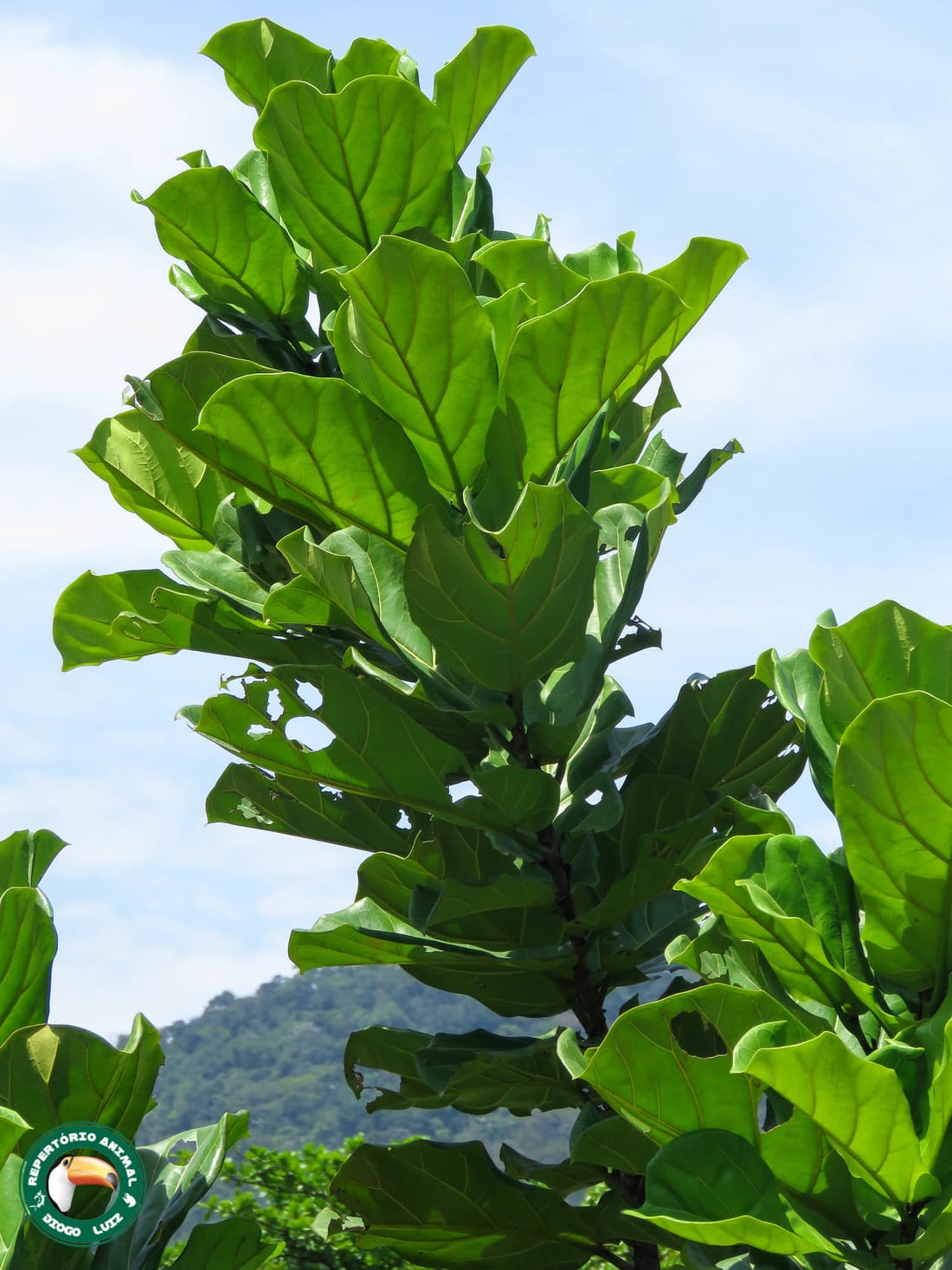
The fiddle leaf fig (Ficus lyrata) is the tall, big-leaved indoor tree that turns up in design magazines, with violin-shaped leaves on an upright trunk. It comes from the lowland rainforests of West Africa. Indoors it can reach well past head height, but it has a reputation for being temperamental, so it suits a grower who's already kept a few plants alive. It needs bright light and a roomy pot, which means a bright rental corner rather than a dim one.
The key to it is consistency. Give it the brightest indirect spot you have, leave it in place rather than shuffling it around, and water on a steady rhythm once the top few centimetres dry. Wiping the large leaves keeps them dark and able to take in light. The sap is toxic to cats and dogs and can irritate skin, so handle cuttings carefully and keep pets away.
What it’s like to grow
This is the fussiest plant in the group and the least tolerant of inconsistency. Brown spots and dropped leaves usually follow erratic watering, a cold draft, or a sudden move, since it sulks whenever its conditions change. It does best in a fixed spot on a predictable routine. Best for confident growers who can offer bright light and won't keep relocating it. The sap is toxic to cats and dogs and irritating to skin, so keep it out of reach and wash up after pruning.
What to expect
It rewards patience and steady attention. No sunny window? It also does fine under a clip-on grow light.
See what you’ll need to get started ↓Grow it alongside
Houseplants that want the same light, water and humidity are happy sharing a spot. See what thrives with Fiddle Leaf Fig →
Tips
- Give it the brightest indirect spot you have and avoid moving it around.
- Water on a consistent schedule once the top few centimetres dry.
- Wipe the big leaves to keep them dust-free and dark green.
Common problems
- Brown spots and leaf drop from inconsistent watering or cold drafts.
- Leaf loss after being moved or shocked.
Common questions
Is Fiddle Leaf Fig toxic to cats and dogs?
Fiddle Leaf Fig is toxic to cats and dogs if eaten, so keep it out of reach of pets that chew. Source: ASPCA.
How much light does Fiddle Leaf Fig need?
Fiddle Leaf Fig wants bright light — a south-facing window with six or more hours of sun, or a grow light to make up for it.
How often should I water Fiddle Leaf Fig?
Water Fiddle Leaf Fig when the top inch of soil feels dry, then let it drain. Aim for evenly moist, not soggy.
What temperature does Fiddle Leaf Fig need?
Fiddle Leaf Fig is happiest around 18–27 °C. It tolerates brief dips to about 12 °C, but cold drafts and sudden chills set it back.
Can I grow Fiddle Leaf Fig without a sunny window?
Yes. Fiddle Leaf Fig does well under an affordable clip-on grow light, so a bright window isn't essential.
How big does Fiddle Leaf Fig get?
An upright indoor tree with large violin-shaped leaves; reaches 1.5–2 m+ indoors.
How do I propagate Fiddle Leaf Fig?
Root a stem cutting with a node and a leaf in water for several weeks, then pot up.
What pests affect Fiddle Leaf Fig?
Watch for spider mites, mealybugs, scale and thrips. Check new growth and the undersides of leaves often, and treat early with a rinse or insecticidal soap before they spread.
Is Fiddle Leaf Fig easy to grow?
Fiddle Leaf Fig is more demanding than most. It rewards experience and steady attention rather than a hands-off approach.
Gear for Fiddle Leaf Fig
Gear suggestions to get you started — general picks, not paid placements.
Pet-toxicity from the ASPCA. Care details are general guidance, not professional or veterinary advice. Photo: Diogo Luiz, CC BY-SA 4.0, via Wikimedia Commons (CC-BY-SA). Care info last updated 2026-06-02.