leafy green
EdibleFenugreek / Methi
Trigonella foenum-graecum
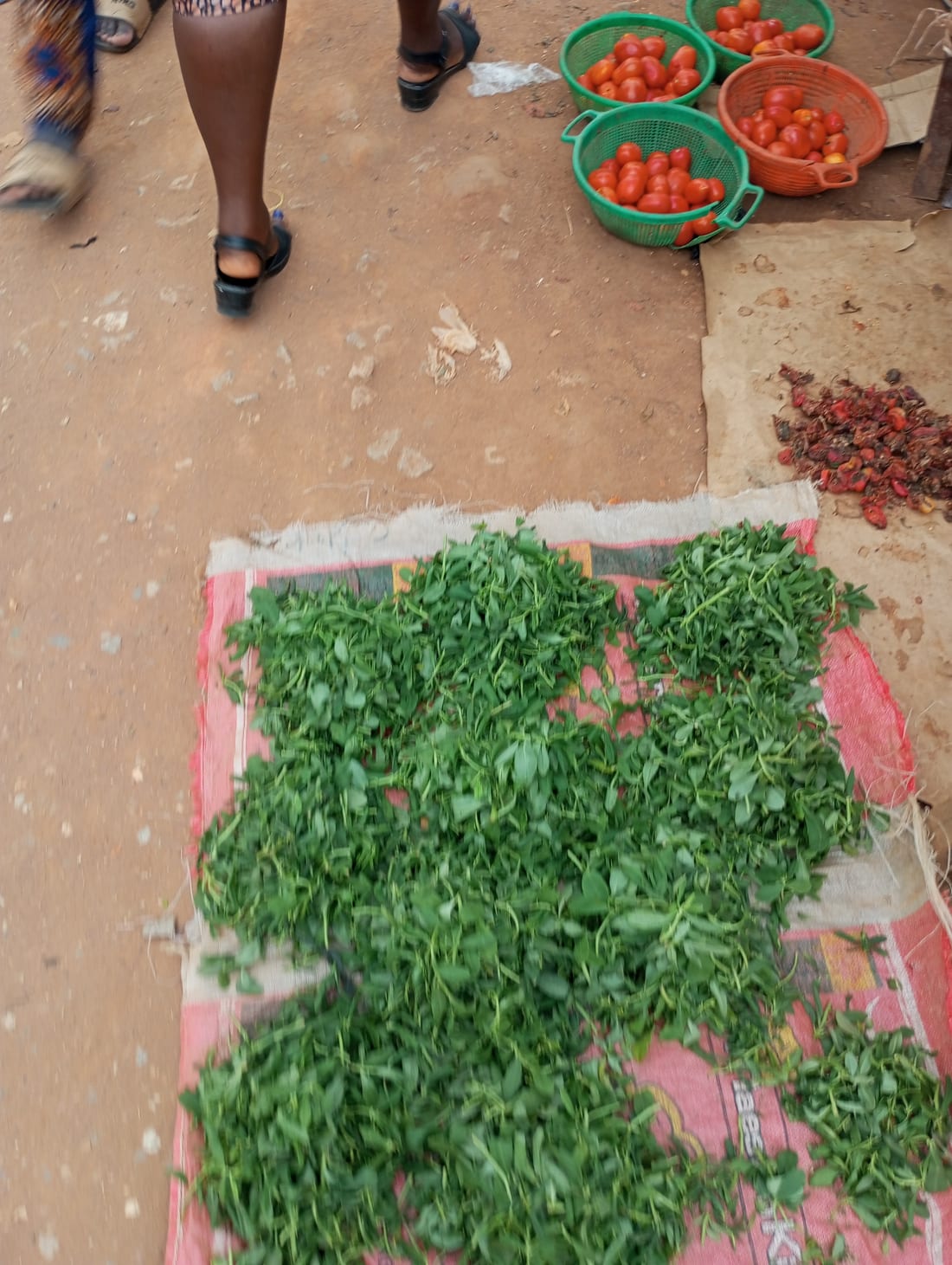
Considered non-toxic to cats and dogs (source: ASPCA (not listed as toxic)).
A sunny south-facing window with 6+ hours, or a grow light.
Keep evenly moist — water when the top inch of soil is dry.
Forgiving and beginner-friendly.
Fenugreek, grown for the leaf as methi, is one of the fastest and most forgiving container crops there is — leaves in three to four weeks from seed across South Asian and Middle Eastern kitchens. The seeds double as a spice.
About Fenugreek / Methi
Fenugreek (Trigonella foenum-graecum), grown for the leaf as methi, is among the fastest and most forgiving things you can grow in a pot. The leaves go into dals, curries, and flatbreads across South Asia and the Middle East, and the seeds are a spice in their own right. For a renter it needs almost nothing: a shallow 3-litre pot, bright light, and a few weeks.
Sow the seed thickly across a wide, shallow pot and treat it as a cut-and-come-again patch. Ordinary whole fenugreek seeds from the spice shelf will sprout, which makes it cheap to start. Leaves are ready in about 20 to 30 days, fast enough that succession-sowing every couple of weeks keeps a steady supply coming. Heat and age eventually push it to flower, at which point you start a fresh batch.
What it’s like to grow
Fenugreek is easy and quick, a low-risk crop for a first-time grower. Its main tells are bolting, when heat or age sends it to flower and leaf quality drops, and damping-off if the pot is sown too wet and crowded. Give it light, sow in succession, and water with a little restraint. It is not listed as toxic to cats and dogs, so the patch is safe around pets.
What to expect
First harvest in about 20–30 days. It’s forgiving, so it’s a good one to learn on. No sunny window? It also does fine under a clip-on grow light.
See what you’ll need to get started ↓Tips
- Sow thickly across a wide, shallow pot and treat it as a cut-and-come-again patch.
- You can use ordinary whole fenugreek seeds from the spice shelf.
- Succession-sow every couple of weeks for a steady supply.
Common problems
- Bolting to flower if left too long or stressed by heat.
- Damping-off if sown too wet and crowded.
Common questions
Is Fenugreek / Methi toxic to cats and dogs?
Fenugreek / Methi is non-toxic to cats and dogs, which makes it a safe pick if you have pets. Source: ASPCA (not listed as toxic).
How much light does Fenugreek / Methi need?
Fenugreek / Methi wants bright light — a south-facing window with six or more hours of sun, or a grow light to make up for it.
How often should I water Fenugreek / Methi?
Water Fenugreek / Methi when the top inch of soil feels dry, then let it drain. Aim for evenly moist, not soggy.
What temperature does Fenugreek / Methi need?
Fenugreek / Methi is happiest around 15–30 °C. It tolerates brief dips to about 5 °C, but cold drafts and sudden chills set it back.
How long does Fenugreek / Methi take to grow?
Expect a first harvest about 20–30 days from sowing under good conditions. A fast cut-and-come-again green; sow thickly in a shallow pot and crop the leaves in three to four weeks.
Can I grow Fenugreek / Methi without a sunny window?
Yes. Fenugreek / Methi does well under an affordable clip-on grow light, so a bright window isn't essential.
How big does Fenugreek / Methi get?
A fast leafy herb ~0.2–0.4 m tall; sow thickly and cut as a patch.
How do I propagate Fenugreek / Methi?
Sow seed thickly; it resents transplanting.
What pests affect Fenugreek / Methi?
Watch for aphids. Check new growth and the undersides of leaves often, and treat early with a rinse or insecticidal soap before they spread.
Is Fenugreek / Methi easy to grow?
Yes. Fenugreek / Methi is forgiving and one of the better plants to learn on.
Gear for Fenugreek / Methi
Gear suggestions to get you started — general picks, not paid placements.
Pet-toxicity from the ASPCA. Care details are general guidance, not professional or veterinary advice; only eat plants you can positively identify as the edible plant and part described. Photo: Grace789, CC BY-SA 4.0, via Wikimedia Commons (CC-BY-SA). Care info last updated 2026-06-08.