fruit
EdibleDwarf Pomegranate
Punica granatum var. nana
Considered non-toxic to cats and dogs (source: ASPCA (not listed as toxic)).
A sunny south-facing window with 6+ hours, or a grow light.
Keep evenly moist — water when the top inch of soil is dry.
Needs a little consistency, but nothing fancy.
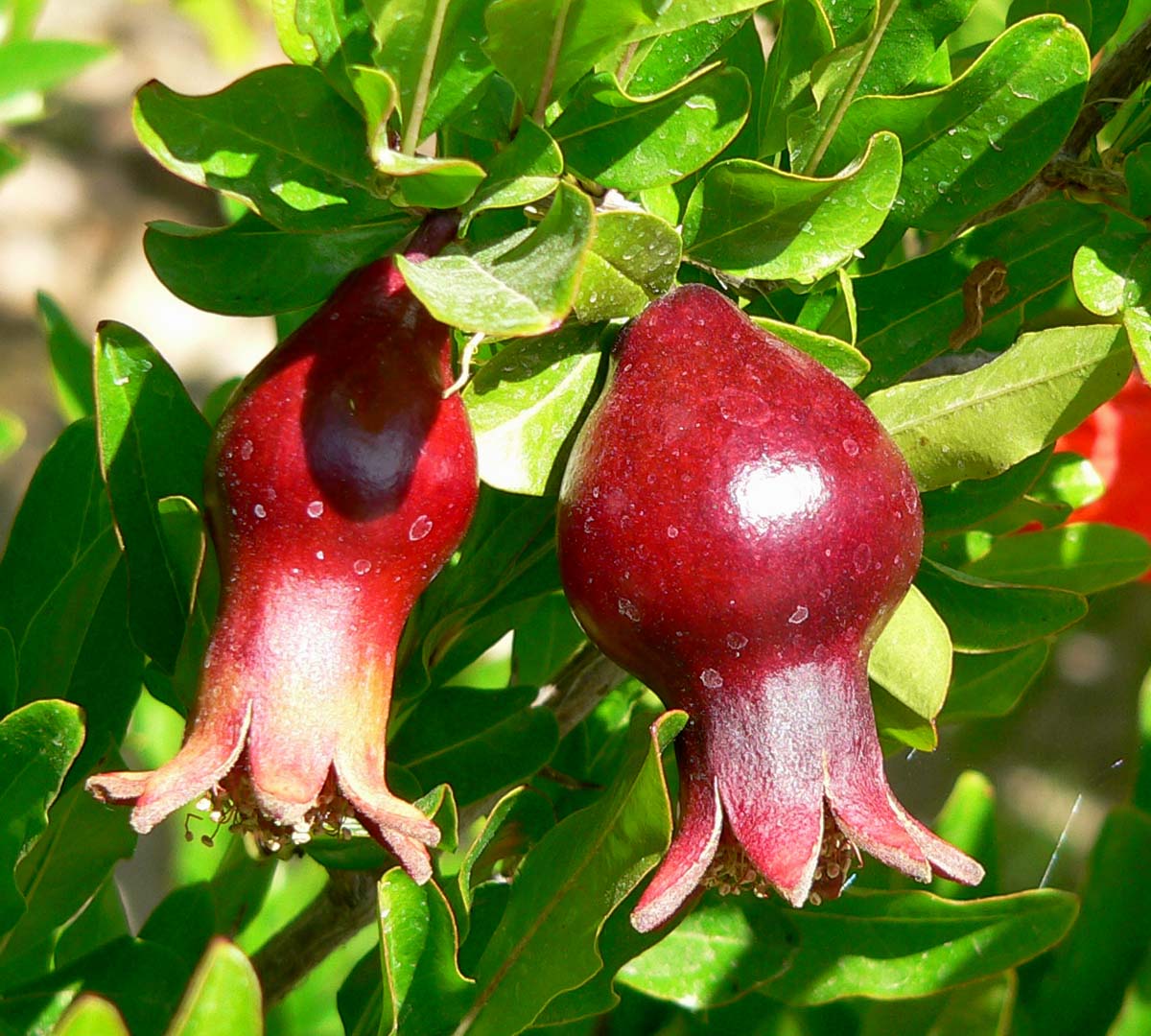
The dwarf pomegranate is a Mediterranean and Middle Eastern icon scaled to a pot — the true ‘Nana’ stays about a metre, is self-fertile, and carries vivid orange-red flowers. The fruit is small and more ornamental than a market pomegranate, so grow it for the flowers as much as the harvest.
About Dwarf Pomegranate
The dwarf pomegranate (Punica granatum var. nana) brings a Mediterranean and Middle Eastern icon down to pot size. The true dwarf stays around a metre, is self-fertile, and carries vivid orange-red flowers through summer. The fruit it sets is small and more ornamental than a market pomegranate, so this is a plant grown for its flowers as much as for any harvest. For a renter it suits an 11-litre pot in the sunniest spot available.
Give it strong light, a sunny balcony or the brightest window, since it needs sun to flower well. Make sure you have the true dwarf 'Nana' rather than a full-size variety sold small, which will outgrow a pot. It is deciduous, so it drops its leaves and rests over winter, which is normal rather than a problem. Flowers, and any fruit, come in the warmer months once the plant is established.
What it’s like to grow
The dwarf pomegranate is rated moderate, and the main thing it asks is light. Few flowers usually means too little sun. Winter leaf drop looks alarming to a new grower but is simply the plant resting, and it leafs out again in spring. Set your expectations around the flowers and treat the small fruit as a bonus. It is not listed as toxic to cats and dogs, so the pot is safe around pets.
What to expect
First harvest in about 180–365 days. It asks for a little consistency, but nothing fancy.
See what you’ll need to get started ↓Tips
- Give it a sunny balcony or the brightest window; it needs strong light to flower.
- Buy the true dwarf ‘Nana’ rather than a full-size variety.
- Set expectations: the fruit is small and decorative.
Common problems
- Few flowers in weak light.
- Leaf drop in winter — it is deciduous and rests.
Common questions
Is Dwarf Pomegranate toxic to cats and dogs?
Dwarf Pomegranate is non-toxic to cats and dogs, which makes it a safe pick if you have pets. Source: ASPCA (not listed as toxic).
How much light does Dwarf Pomegranate need?
Dwarf Pomegranate wants bright light — a south-facing window with six or more hours of sun, or a grow light to make up for it.
How often should I water Dwarf Pomegranate?
Water Dwarf Pomegranate when the top inch of soil feels dry, then let it drain. Aim for evenly moist, not soggy.
What temperature does Dwarf Pomegranate need?
Dwarf Pomegranate is happiest around 15–35 °C. It tolerates brief dips to about -10 °C, but cold drafts and sudden chills set it back.
How long does Dwarf Pomegranate take to grow?
Expect a first harvest about 180–365 days from sowing under good conditions. The true dwarf stays container-sized and self-fertile, giving showy flowers and small ornamental-edible fruit.
How big does Dwarf Pomegranate get?
A compact deciduous shrub ~0.8–1 m tall; one true-dwarf plant per pot.
How do I propagate Dwarf Pomegranate?
Root semi-hardwood cuttings, or grow from seed (slower to flower).
What pests affect Dwarf Pomegranate?
Watch for aphids and whitefly. Check new growth and the undersides of leaves often, and treat early with a rinse or insecticidal soap before they spread.
Is Dwarf Pomegranate easy to grow?
Dwarf Pomegranate is moderately easy. It asks for some consistency with light and water, but nothing advanced.
Gear for Dwarf Pomegranate
Gear suggestions to get you started — general picks, not paid placements.
Pet-toxicity from the ASPCA. Care details are general guidance, not professional or veterinary advice; only eat plants you can positively identify as the edible plant and part described. Photo: Stan Shebs, CC BY-SA 3.0, via Wikimedia Commons (CC-BY-SA). Care info last updated 2026-06-08.