succulent
DecorativeHens and Chicks
Sempervivum tectorum
Considered non-toxic to cats and dogs (source: ASPCA (not specifically listed; treated pet-safe)).
A sunny south-facing window with 6+ hours, or a grow light.
Let the soil dry out between waterings; it dislikes staying wet.
Forgiving and beginner-friendly.
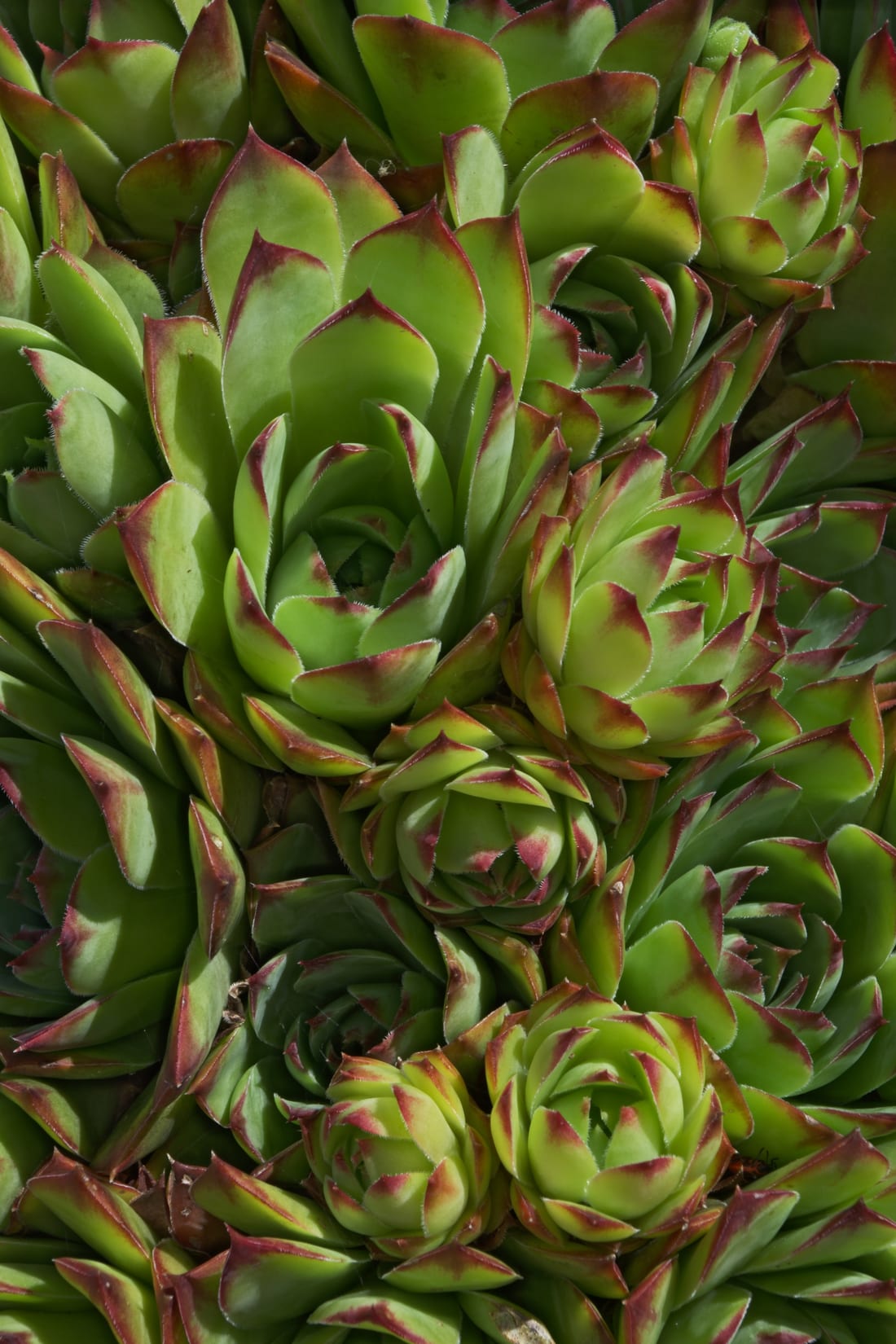
Hens and chicks is a hardy rosette succulent that clusters into a "hen" surrounded by offset "chicks." It is generally considered pet-safe and tolerates a lot of neglect.
About Hens and Chicks
Hens and chicks (Sempervivum tectorum) is a hardy rosette succulent from the mountains of Europe, where it has long grown on roofs and rocky ground. A central "hen" multiplies into a tight mat of offset "chicks," each rosette only a few centimetres across, so a shallow 2-litre pot holds a whole colony. It tolerates a lot of neglect, which makes it forgiving for a busy or forgetful renter.
Give it the brightest spot you have and it stays tight and colourful; in weaker light the rosettes stretch and pale. Water sparingly and only once the soil is fully dry. To propagate, pull off the offset chicks and re-pot them. The plant isn't specifically listed by the ASPCA and is treated as pet-safe.
What it’s like to grow
This is one of the easiest succulents to keep and shrugs off neglect better than most. Rot at the base is the main way to lose it, and it comes from overwatering or a pot with poor drainage, so keep it dry and gritty. Stretched, pale rosettes mean it wants more light. It's a strong pick for a beginner with a sunny sill and a habit of forgetting to water. It's treated as pet-safe rather than formally listed, so it's a low-worry choice with pets.
What to expect
It’s forgiving, so it’s a good one to learn on. No sunny window? It also does fine under a clip-on grow light.
See what you’ll need to get started ↓Grow it alongside
Houseplants that want the same light, water and humidity are happy sharing a spot. See what thrives with Hens and Chicks →
Tips
- Give it the brightest spot you have; it stays tight and colourful in strong light.
- Water sparingly and only when fully dry.
- Pull off and re-pot the offset "chicks" to make new plants.
Common problems
- Rot at the base from overwatering or poor drainage.
- Stretched, pale rosettes in too little light.
Common questions
Is Hens and Chicks toxic to cats and dogs?
Hens and Chicks is non-toxic to cats and dogs, which makes it a safe pick if you have pets. Source: ASPCA (not specifically listed; treated pet-safe).
How much light does Hens and Chicks need?
Hens and Chicks wants bright light — a south-facing window with six or more hours of sun, or a grow light to make up for it.
How often should I water Hens and Chicks?
Water Hens and Chicks sparingly. Let the soil dry out fully between waterings — it's far more likely to rot from overwatering than to suffer from neglect.
What temperature does Hens and Chicks need?
Hens and Chicks is happiest around 15–24 °C. It tolerates brief dips to about -20 °C, but cold drafts and sudden chills set it back.
Can I grow Hens and Chicks without a sunny window?
Yes. Hens and Chicks does well under an affordable clip-on grow light, so a bright window isn't essential.
How big does Hens and Chicks get?
A low rosette, usually 5–12 cm across, that multiplies into a tight mat of offsets.
How do I propagate Hens and Chicks?
Detach a rooted chick (offset) from around the parent rosette and pot it up separately.
What pests affect Hens and Chicks?
Watch for aphids, mealybugs and vine weevil. Check new growth and the undersides of leaves often, and treat early with a rinse or insecticidal soap before they spread.
Is Hens and Chicks easy to grow?
Yes. Hens and Chicks is forgiving and one of the better plants to learn on.
Gear for Hens and Chicks
Gear suggestions to get you started — general picks, not paid placements.
Pet-toxicity from the ASPCA. Care details are general guidance, not professional or veterinary advice. Photo: JLPC, CC BY-SA 3.0, via Wikimedia Commons (CC-BY-SA). Care info last updated 2026-06-02.