foliage
DecorativeSnake Plant
Dracaena trifasciata
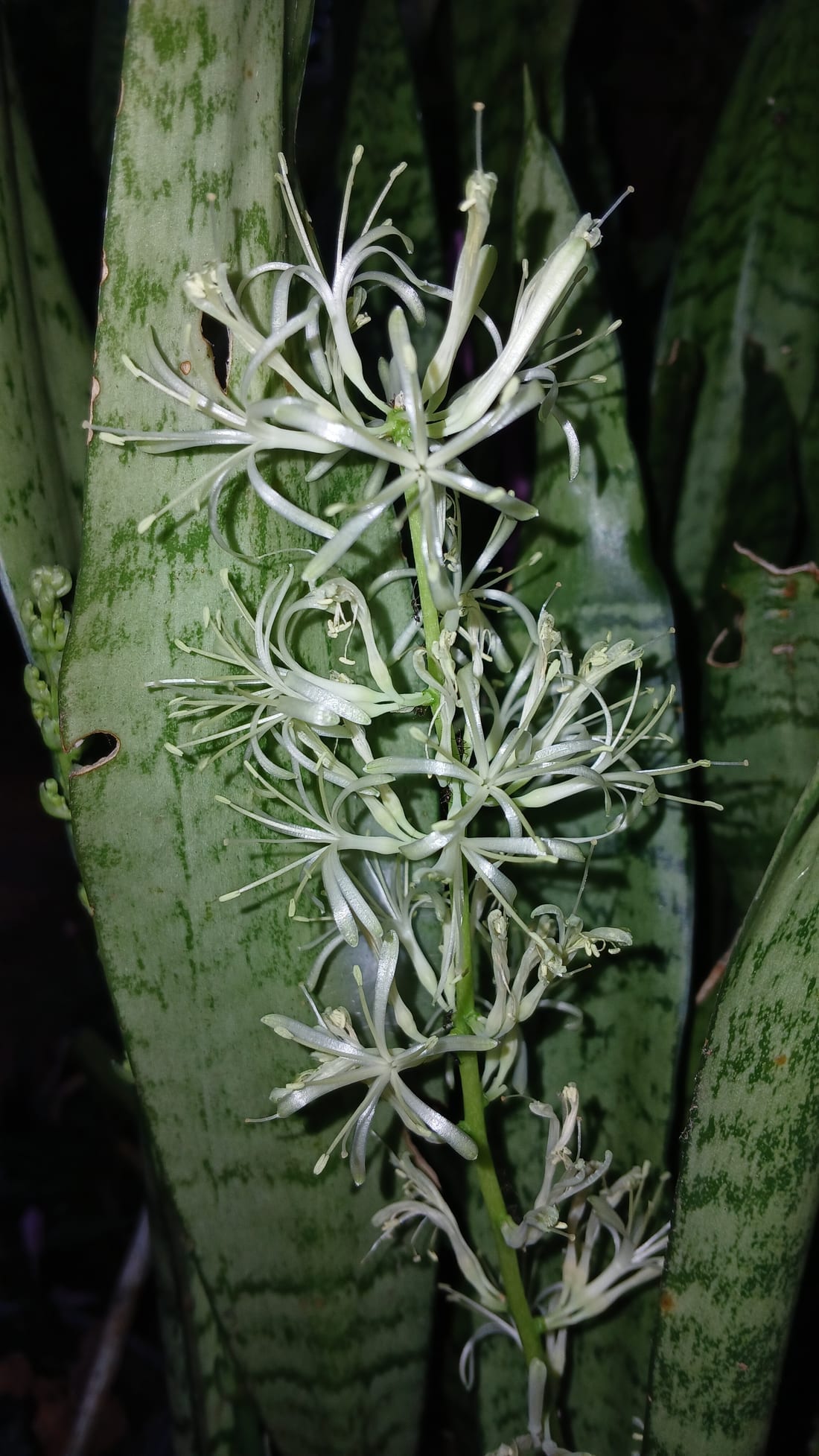
Toxic to cats and dogs — keep it out of reach (source: ASPCA).
A north-facing window or a few hours of indirect light is plenty.
Let the soil dry out between waterings; it dislikes staying wet.
Forgiving and beginner-friendly.
The snake plant is one of the hardest houseplants to kill and tolerates low light and neglect. It is toxic to pets, so keep it out of reach of chewers.
About Snake Plant
The snake plant (Dracaena trifasciata) is among the hardest houseplants to kill. Native to the dry, rocky parts of West Africa, it stores water in stiff, upright sword-shaped leaves and shrugs off the kind of neglect that finishes most plants. It handles low light, infrequent watering, and a long stretch of being ignored, which is why it ends up in offices and hallways. For a renter it asks for almost nothing and stays in a tidy clump around half a metre to a metre tall.
The one thing it won't forgive is too much water. Use a gritty, free-draining mix, plant it in a pot with drainage, and water only when the soil has gone fully dry. It grows faster in medium or bright light but tolerates a dim corner. The leaves are toxic to cats and dogs if chewed, so keep it away from animals that like to gnaw.
What it’s like to grow
This is a low-effort plant that punishes overwatering more than neglect. Soft, mushy bases or leaves that flop over usually mean the soil has stayed wet too long or the pot is oversized and holds water. Left properly dry it will sit happily for weeks untouched. Forgetful waterers, dim rooms, and frequent travelers all do fine with it, since it survives without a sitter. It is toxic to cats and dogs, so put it somewhere chewers can't reach the leaves.
What to expect
It’s forgiving, so it’s a good one to learn on. No sunny window? It also does fine under a clip-on grow light.
See what you’ll need to get started ↓Grow it alongside
Houseplants that want the same light, water and humidity are happy sharing a spot. See what thrives with Snake Plant →
Tips
- Water sparingly and only when the soil is fully dry; it stores water in its leaves.
- It tolerates low light but grows faster in medium to bright spots.
- Use a gritty, free-draining mix to avoid soggy roots.
Common problems
- Root rot and mushy bases from overwatering.
- Leaves falling over when chronically overwatered or in a too-large pot.
Common questions
Is Snake Plant toxic to cats and dogs?
Snake Plant is toxic to cats and dogs if eaten, so keep it out of reach of pets that chew. Source: ASPCA.
How much light does Snake Plant need?
Snake Plant tolerates low light and can sit away from a window. It still grows faster with more light, but it won't sulk in a dim corner.
How often should I water Snake Plant?
Water Snake Plant sparingly. Let the soil dry out fully between waterings — it's far more likely to rot from overwatering than to suffer from neglect.
What temperature does Snake Plant need?
Snake Plant is happiest around 18–27 °C. It tolerates brief dips to about 10 °C, but cold drafts and sudden chills set it back.
Can I grow Snake Plant without a sunny window?
Yes. Snake Plant does well under an affordable clip-on grow light, so a bright window isn't essential.
How big does Snake Plant get?
Upright, stiff sword-shaped leaves, typically 0.5–1 m tall in a clump.
How do I propagate Snake Plant?
Split the rhizome clump into sections at repotting; leaf cuttings also root but lose variegation.
What pests affect Snake Plant?
Watch for mealybugs, spider mites and fungus gnats. Check new growth and the undersides of leaves often, and treat early with a rinse or insecticidal soap before they spread.
Is Snake Plant easy to grow?
Yes. Snake Plant is forgiving and one of the better plants to learn on.
Gear for Snake Plant
Gear suggestions to get you started — general picks, not paid placements.
Pet-toxicity from the ASPCA. Care details are general guidance, not professional or veterinary advice. Photo: Nativeplants garden, CC BY-SA 4.0, via Wikimedia Commons (CC-BY-SA). Care info last updated 2026-06-02.