foliage
DecorativeWeeping Fig
Ficus benjamina
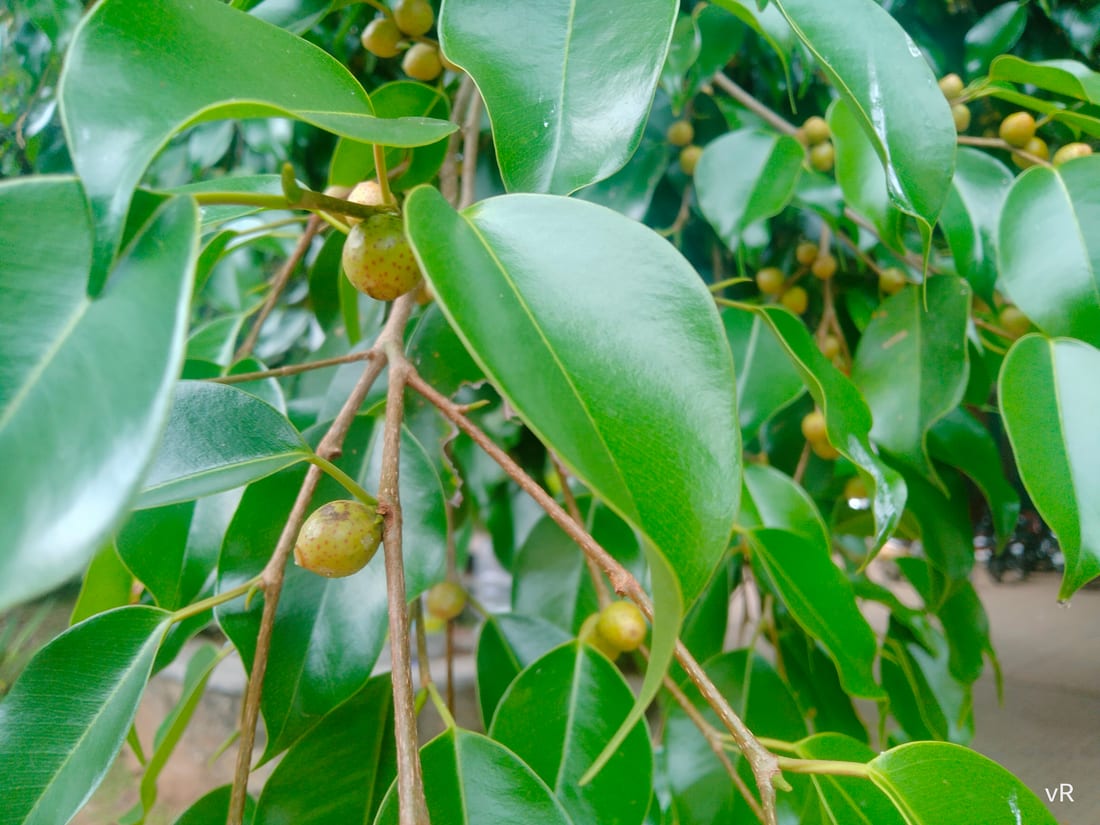
Toxic to cats and dogs — keep it out of reach (source: ASPCA).
A sunny south-facing window with 6+ hours, or a grow light.
Keep evenly moist — water when the top inch of soil is dry.
Needs a little consistency, but nothing fancy.
The weeping fig is a graceful indoor tree with small glossy leaves on arching branches, known for dropping leaves whenever its conditions change. Its sap is toxic to pets and can irritate skin.
About Weeping Fig
The weeping fig (Ficus benjamina) is an indoor tree from South and Southeast Asia, with small glossy leaves on slender, arching branches. Grown indoors it usually reaches one to two metres, so it wants floor space and a roomy pot of around 8 litres rather than a windowsill. For a renter it works as a single statement tree, provided you can give it a bright spot and leave it there.
Its reputation comes from leaf drop: it sheds whenever conditions change, including a move across the room or a shift in season. Pick a bright position and commit to it, let the top of the soil dry between waterings, and keep it away from cold drafts. The sap is toxic to cats and dogs and can irritate skin, so site it accordingly.
What it’s like to grow
The weeping fig is moderately fussy and reacts to change more than to neglect. A flush of dropped leaves after you move it or once the seasons turn is its signature, and steady care usually settles it down. Sticky residue on the leaves points to scale insects, which it's prone to. Best for someone with a permanent bright corner who won't keep relocating it. The sap is toxic to cats and dogs, so it isn't a safe pick for a home with curious pets.
What to expect
It asks for a little consistency, but nothing fancy. No sunny window? It also does fine under a clip-on grow light.
See what you’ll need to get started ↓Grow it alongside
Houseplants that want the same light, water and humidity are happy sharing a spot. See what thrives with Weeping Fig →
Tips
- Pick a bright spot and leave it there; moving it triggers leaf drop.
- Let the top of the soil dry between waterings and avoid cold drafts.
- Some leaf drop after a move or season change is normal; keep care steady.
Common problems
- Sudden leaf drop after being moved or after a change in conditions.
- Sticky leaves from scale insects, which it is prone to.
Common questions
Is Weeping Fig toxic to cats and dogs?
Weeping Fig is toxic to cats and dogs if eaten, so keep it out of reach of pets that chew. Source: ASPCA.
How much light does Weeping Fig need?
Weeping Fig wants bright light — a south-facing window with six or more hours of sun, or a grow light to make up for it.
How often should I water Weeping Fig?
Water Weeping Fig when the top inch of soil feels dry, then let it drain. Aim for evenly moist, not soggy.
What temperature does Weeping Fig need?
Weeping Fig is happiest around 18–24 °C. It tolerates brief dips to about 10 °C, but cold drafts and sudden chills set it back.
Can I grow Weeping Fig without a sunny window?
Yes. Weeping Fig does well under an affordable clip-on grow light, so a bright window isn't essential.
How big does Weeping Fig get?
An upright indoor tree, often 1–2 m tall, with slender drooping branches of small pointed leaves.
How do I propagate Weeping Fig?
Root a stem-tip cutting in moist mix or water; rinse the milky sap from the cut first.
What pests affect Weeping Fig?
Watch for scale, mealybugs, spider mites and thrips. Check new growth and the undersides of leaves often, and treat early with a rinse or insecticidal soap before they spread.
Is Weeping Fig easy to grow?
Weeping Fig is moderately easy. It asks for some consistency with light and water, but nothing advanced.
Gear for Weeping Fig
Gear suggestions to get you started — general picks, not paid placements.
Pet-toxicity from the ASPCA. Care details are general guidance, not professional or veterinary advice. Photo: Vijayanrajapuram, CC BY-SA 4.0, via Wikimedia Commons (CC-BY-SA). Care info last updated 2026-06-02.