Explore
Regrow from scraps
Some plants regrow from the bit you’d normally toss — free food, no seeds. Here’s what works and how.
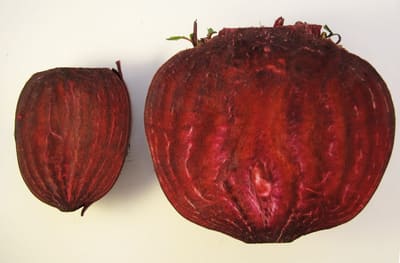
A beet top sitting in shallow water resprouts edible leafy greens (it does not regrow a new root).
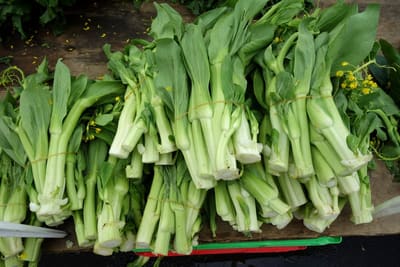
Stand the leftover root base in shallow water and a small new rosette regrows from the center for a partial second harvest.
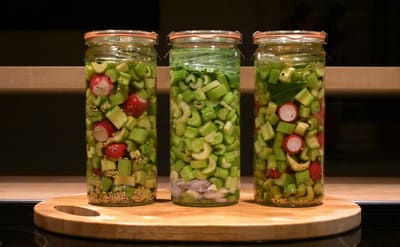
Stand a cut celery base in shallow water until new growth appears from the center, then pot it up.

Side-shoot 'suckers' root easily in water to make new plants; seeds from a fruit also sprout.

Divide an existing clump into smaller bunches and replant; each piece regrows.
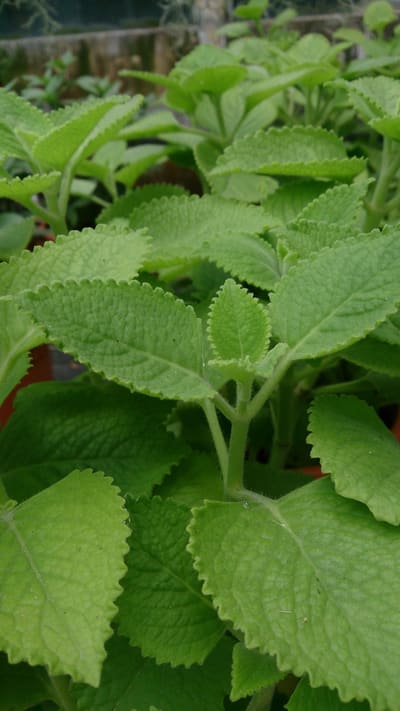
Root a stem cutting in water or straight into moist soil; it strikes very easily.
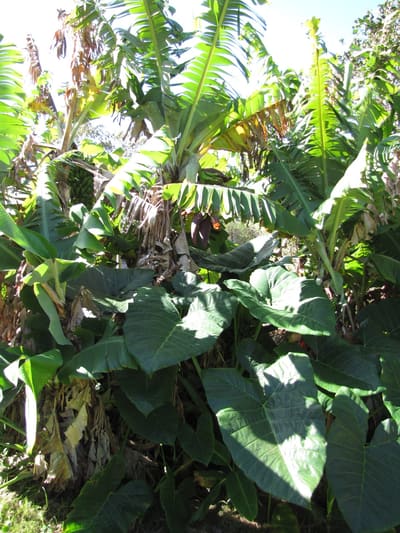
Separate and pot up the pups (suckers) that grow from the base of an established plant.
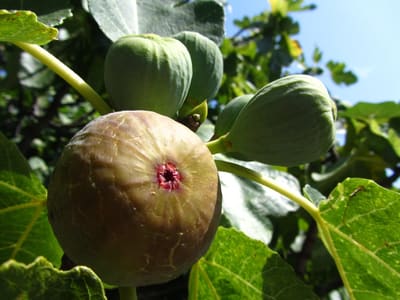
Hardwood or softwood cuttings root readily in water or moist mix — figs are one of the easier fruits to clone.

Stand a leftover fennel bulb base in shallow water and green fronds regrow from the center.

Established clumps can be divided at the root and replanted to make new plants.
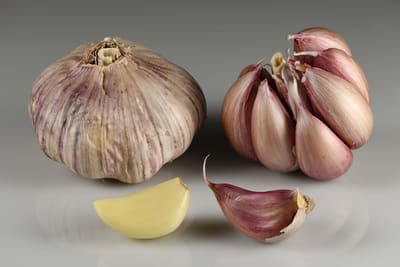
Plant an individual clove pointed-end up in soil; it sprouts garlic greens in days.

Plant a store-bought rhizome piece with a visible bud (“eye”) shallowly in soil; it sprouts and grows a whole new clump.
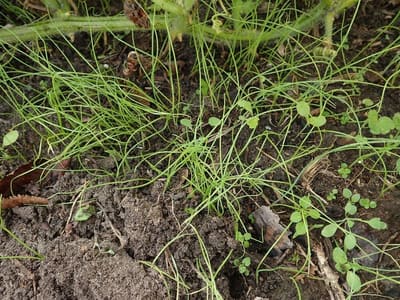
Stand the leftover white root ends in a glass of water (or pot them) and the green tops regrow in days.
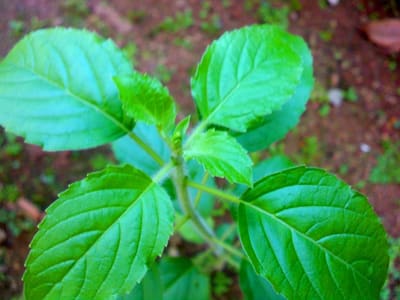
Root a 10 cm cut stem in a glass of water for one to two weeks, then pot it up.
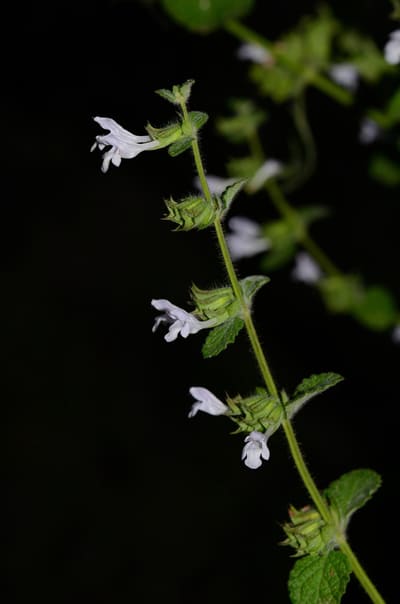
Root a cut sprig in water until roots appear, then pot it up; it also spreads from its base.
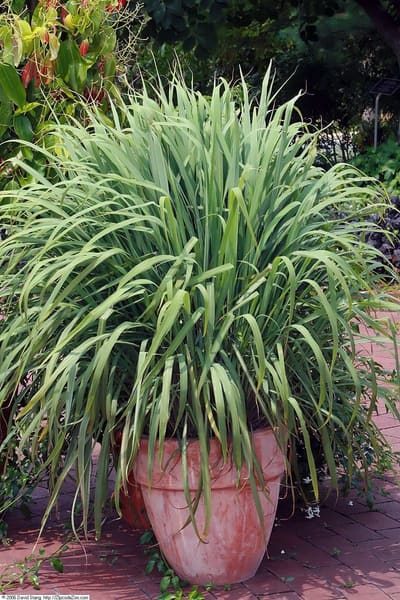
Stand a store-bought stalk with its base intact in water until roots and new shoots form, then pot it.
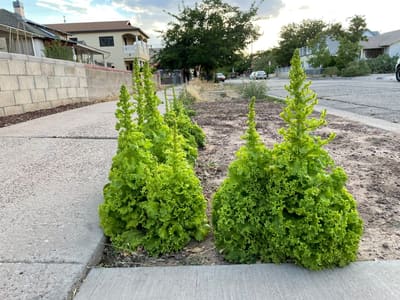
Stand a leftover root base in shallow water and small leaves regrow for a partial second harvest.
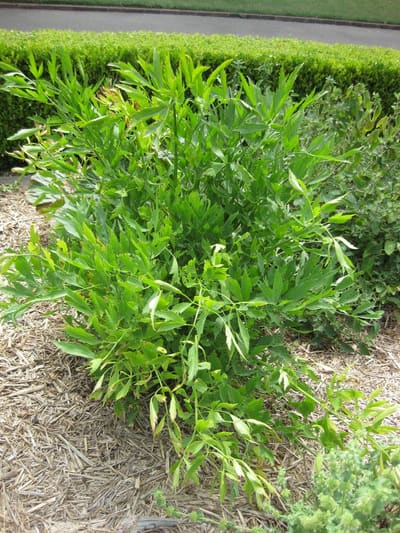
Divide an established root clump in spring and pot up each piece; it also self-seeds readily.
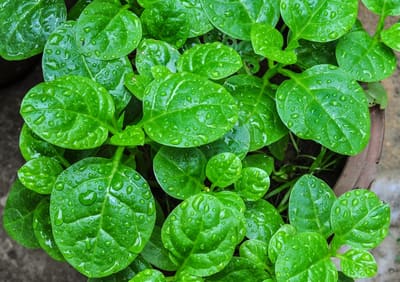
Root a cut stem in water until roots form, then pot it; cuttings root readily.
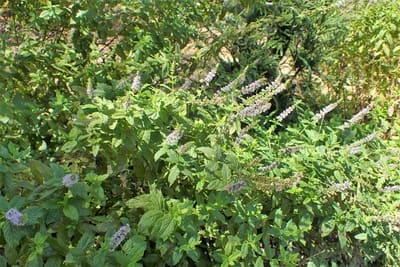
Root a cut sprig in water until roots form, then pot it; it also spreads readily from runners.

Root a cut stem in water until roots form, then pot it; it also grows very easily from its large seeds.

Root a soft stem cutting in water or soil; mature clumps can also be divided.
Separate and pot up the offsets (pups) that form around the base.
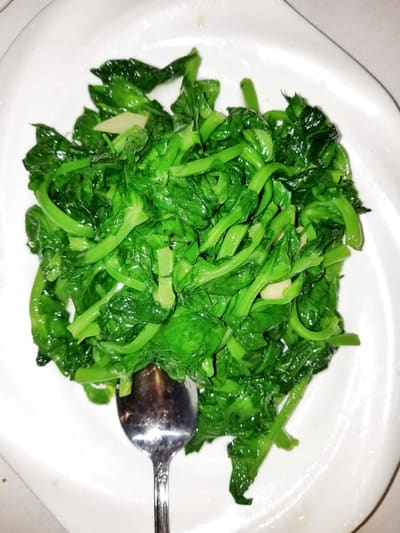
After the first cut, many shoots regrow for a smaller second harvest before replanting.
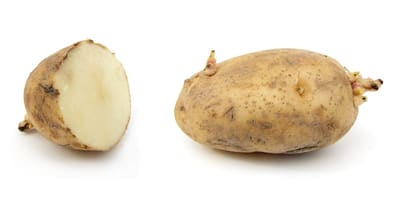
Plant a sprouted (“chitted”) seed potato or a sprouting kitchen potato eye; each grows a new plant and a fresh crop of tubers.
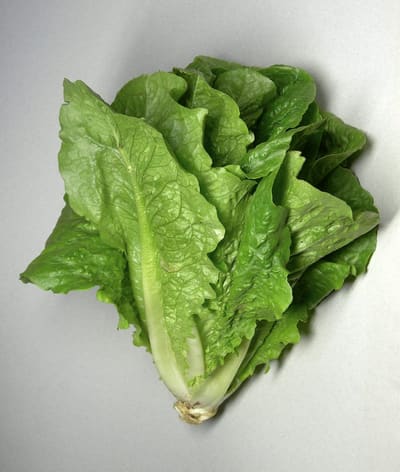
Stand a leftover romaine base in shallow water and small new leaves regrow from the center.
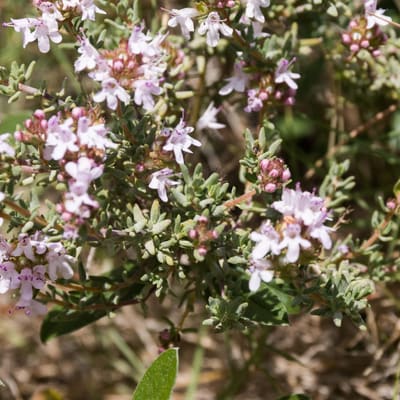
Root a 10–15 cm softwood cutting in water or moist soil over several weeks, then pot it up.
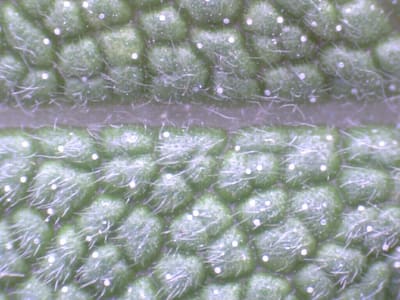
Root a softwood cutting in moist soil over a few weeks; cuttings root more reliably than seed.
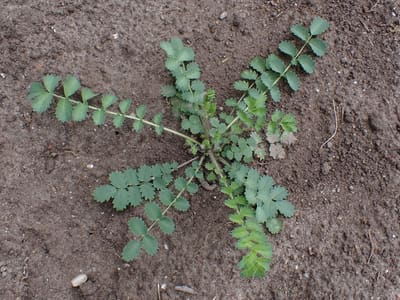
Divide an established clump in spring; it also self-seeds freely.
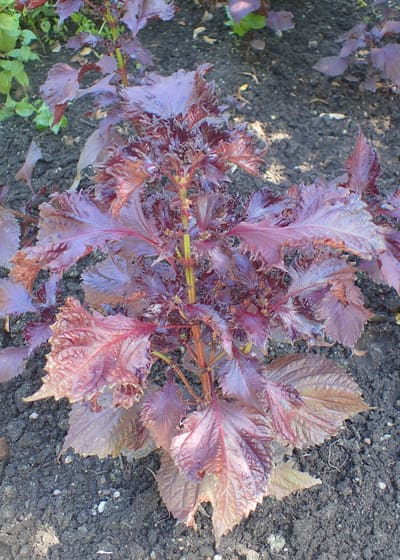
Root a cut stem in water for 1–2 weeks until roots form, then pot it up.
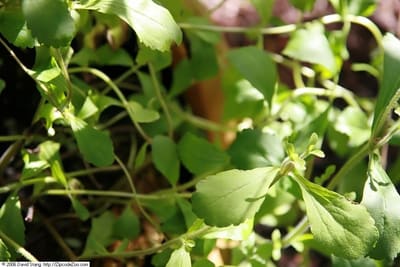
Root a soft stem cutting in water or moist mix; it roots more reliably than from its fiddly seed.
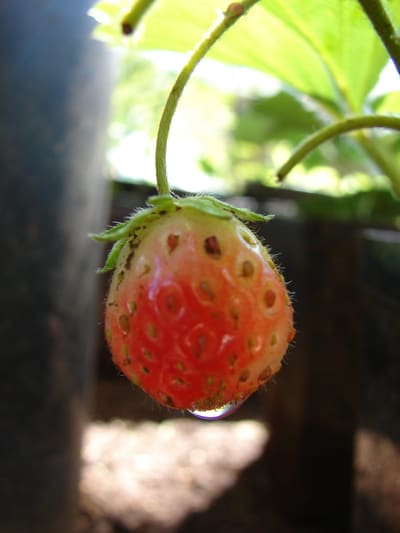
Plants send out runners that root into new pots, giving free clone plants (not regrown from the fruit itself).
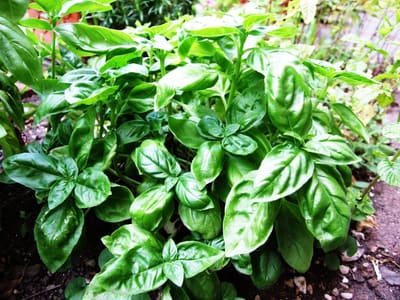
Root a 10 cm cut stem in a glass of water for 1–2 weeks, then pot it up.
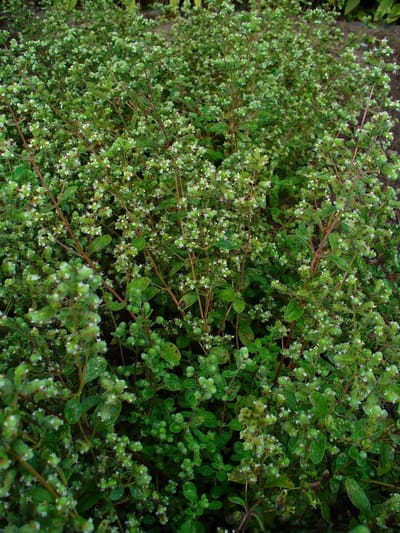
Root a healthy 8–10 cm cutting in water or moist soil, then pot it up.

True French tarragon is sterile — grow it from a division or rooted cutting, not from seed.
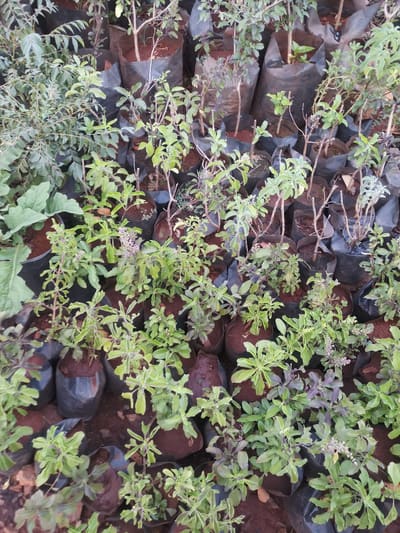
Root a 10 cm cut stem in a glass of water for one to two weeks, then pot it up.

Root a soft non-flowering cutting in water or moist soil, then pot it; established plants also layer where stems touch soil.
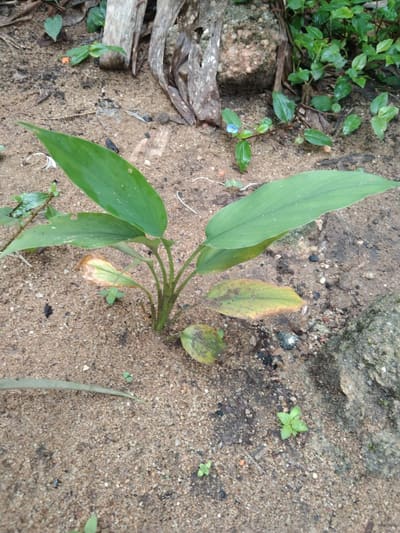
Plant a piece of fresh rhizome with a visible bud just under the soil in a warm spot.
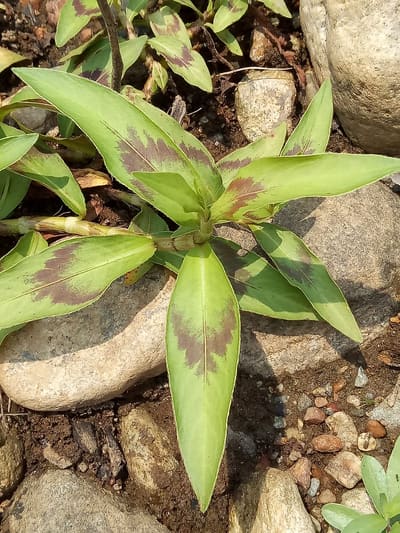
Root a cut sprig in a glass of water within a week or two, then pot it; it roots very readily.

Root cut stems in water until they sprout, then plant them in a pot kept very wet.
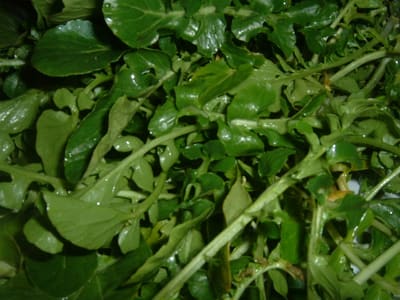
Stand store-bought sprigs in water until roots form, then keep them in a wet pot or tray; cuttings root very easily.